Drought and shrinking cattle herd deepen France’s beef supply crisis
French farmers are sending more cattle to slaughter as drought restricts fodder supplies, while the national herd continues its long-term decline. Processors face weak beef demand, limited fattening capacity and margins at their lowest level since 2017.
Drought accelerates cattle slaughter
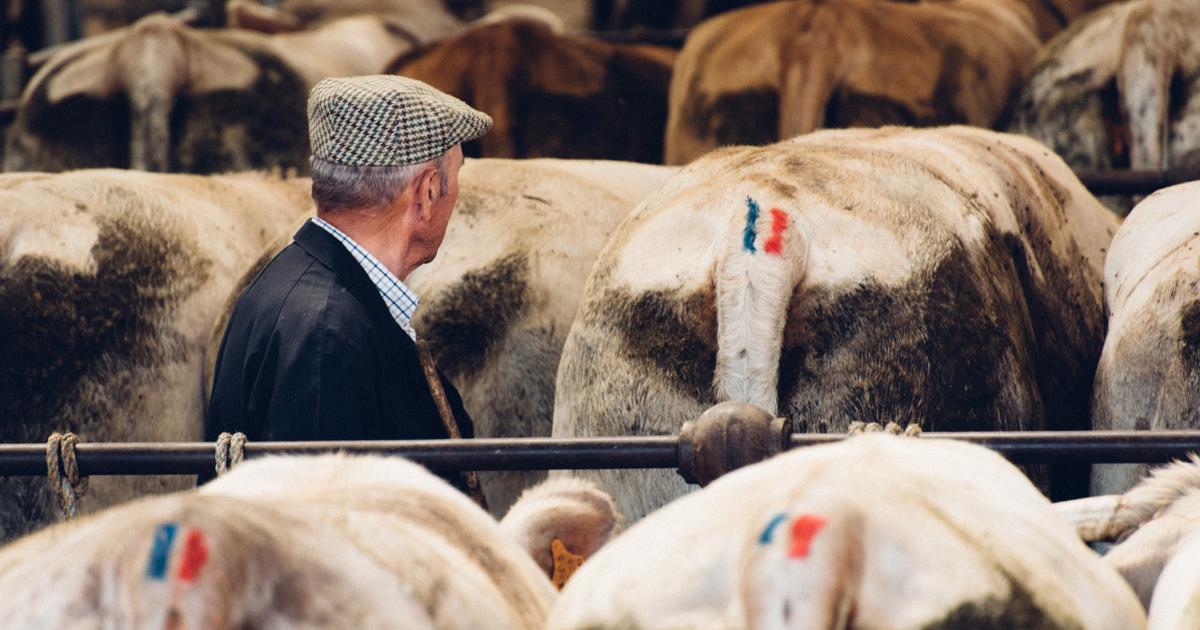
France’s meat industry has warned that drought is intensifying the consequences of the country’s declining cattle herd. Farmers are sending more animals to slaughter than usual because dry conditions have prevented pastures from growing and left farms without sufficient fodder, Culture Viande president Yves Fantou said at a press conference reported by Le Figaro and Boursorama.
The pressure is expected to persist in the coming months as underweight cattle arrive at slaughterhouses. France has limited capacity to fatten these animals before slaughter, restricting the industry’s ability to manage the influx. The immediate increase in cattle availability therefore masks a deeper supply problem: continued herd contraction linked to the failure to replace retiring or departing livestock farmers.
More beef meets weaker demand
Processors must handle the additional animals at a time when the domestic market is struggling to absorb more beef. Overall meat consumption in France rose by 1.3% in 2025, but that growth came from chicken and pork. Consumption of beef fell by 3%, while sheep meat also declined. Culture Viande said the contraction in beef demand has accelerated since the beginning of the year.
Higher beef prices have contributed to falling consumption. They also supported better remuneration for farmers during 2025, but the benefits were not evenly distributed across the supply chain. According to Culture Viande, slaughterhouses paid 22% more for adult cattle in 2025, while their selling prices increased by only 14%. That gap reduced processors’ ability to pass higher livestock costs to customers.
Processor margins fall to lowest since 2017
Margins among beef-processing companies have consequently dropped to their lowest level since 2017, Culture Viande said. The industry is also paying more for packaging, energy and water. The federation linked part of the increase in packaging and energy costs to the war in the Middle East, adding another burden for slaughtering, cutting and wholesale businesses already caught between livestock prices and weak consumer demand.
Relations between farmers and processors are also under strain. During the summer, livestock farmers demonstrated outside slaughterhouses belonging to the Bigard group, a Culture Viande member, to protest against lower prices paid to producers since the start of the year. Several farmer federations issued an ultimatum seeking price increases by the autumn. Fantou said the processing industry was discussing the issue with producers in an effort to maintain meat production in France.
Short-term influx, longer-term scarcity
The combination of drought and herd decline creates opposing pressures. Scarce and expensive fodder encourages farmers to cull animals earlier, temporarily increasing slaughterhouse throughput and potentially placing further pressure on farmgate prices. Some cattle may arrive too lean, however, reducing usable meat yields and making processing less efficient when fattening capacity is already constrained.
Beyond the current slaughter wave, fewer breeding animals and the lack of generational renewal point to tighter French beef availability. Any attempt to lift payments to farmers could support herd retention but would add to processor costs unless wholesale and retail prices also rise. With beef consumption already falling as prices increase, the French industry faces a difficult balance between protecting domestic production, keeping processing businesses viable and retaining price-sensitive consumers.