Severe drought puts Guadeloupe’s 2027 sugarcane harvest at risk
Guadeloupe’s sugarcane growers have been unable to replant after the 2026 harvest fell 35% year on year to about 312,700 tonnes. With very dry conditions forecast through February, producers expect another weak crop in 2027 and are increasingly looking toward 2028 for recovery.
Replanting delayed after a 35% harvest decline
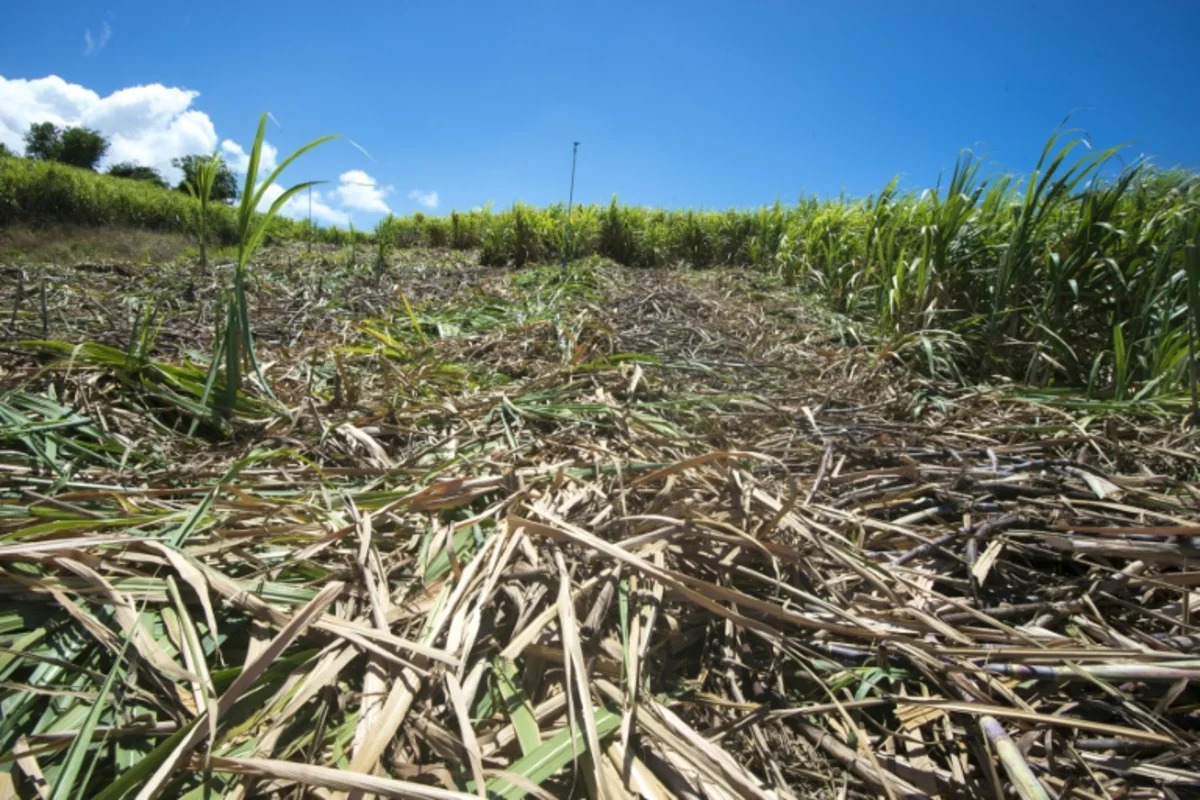
Severe drought across the Caribbean is threatening Guadeloupe’s next sugarcane harvest after growers were unable to replant fields following an already damaging 2026 season. Seedlings that should have been planted several weeks ago remain out of the ground because heat and insufficient rainfall could destroy them, Alex Bandou, secretary-general of the Union of Guadeloupe Producers, told AFP in a report published by France 24.
The disruption follows a particularly difficult 2026 harvest, which ended in July. The Union cannière de la Guadeloupe said farmers collected about 312,700 tonnes of cane, approximately 35% less than in 2025. The sharp reduction has deepened concern about the future of a sector that has already experienced several years of declining production.
Weather conditions offer little immediate relief. Météo-France bulletins have described the climate since May as dry, very dry, extremely dry and very hot. July was classified as the hottest month since the exceptional conditions recorded in 1995, while forecasts indicate that very dry weather could persist through February.
Irrigation shortages expose the crop’s vulnerability
Sugarcane occupies close to 50% of Guadeloupe’s agricultural land, according to the Institut d’émission des départements d’outre-mer. Vegetables account for about 6.9% of utilized agricultural area, bananas for 6.6% and fruit for roughly 3%. The scale of cane cultivation means another poor crop would affect not only growers but also harvesting crews, transport operators, the sugar mill and industrial workers.
Irrigation remains a central constraint. Sydney Henery, secretary-general of the Young Farmers of Guadeloupe, said limited irrigation makes the island’s cane crop particularly sensitive to drought. Agricultural water is also frequently redirected to compensate for shortages in drinking-water production, amid problems linked to the territory’s ageing water network and its management.
Growers are consequently preparing for a 2027 harvest that could be as poor as the previous one, with some shifting their expectations toward 2028. Proposals such as moving the sugar campaign or opening a second harvesting period would be difficult to implement because the sector depends on close coordination among farmers, harvesters, hauliers, the mill and its workforce.
Industry considers resistant varieties and subsidy reform
Public authorities continue to support the survival of the fully subsidized cane industry. Options include developing more drought-resistant varieties, expanding into specialty sugars and providing training in agroecological practices. These measures, however, must address increasingly frequent droughts as well as the sector’s fragmented landholdings and large number of small producers.
Olivier Degenmann, head of Guadeloupe’s agriculture, food and forestry directorate, has also raised the possibility of changing the subsidy system. He said yields below 20 tonnes of cane per hectare do not provide the basis for a professional farming activity capable of supporting a livelihood. Any restructuring would carry wider implications because local vegetable and livestock production has been declining for about a decade, while Guadeloupe imports 82% of its food.