Drought, Frost and Roadblocks Reduce Bolivia’s Quinoa Export Availability
Drought and frost have reduced quinoa yields in Bolivia’s southern altiplano, while more than 50 days of roadblocks disrupted sales and transport. The International Quinoa Center reports a sharp export decline, although the figures still require verification against official trade databases.
Climate damage reaches Bolivia’s main production zone
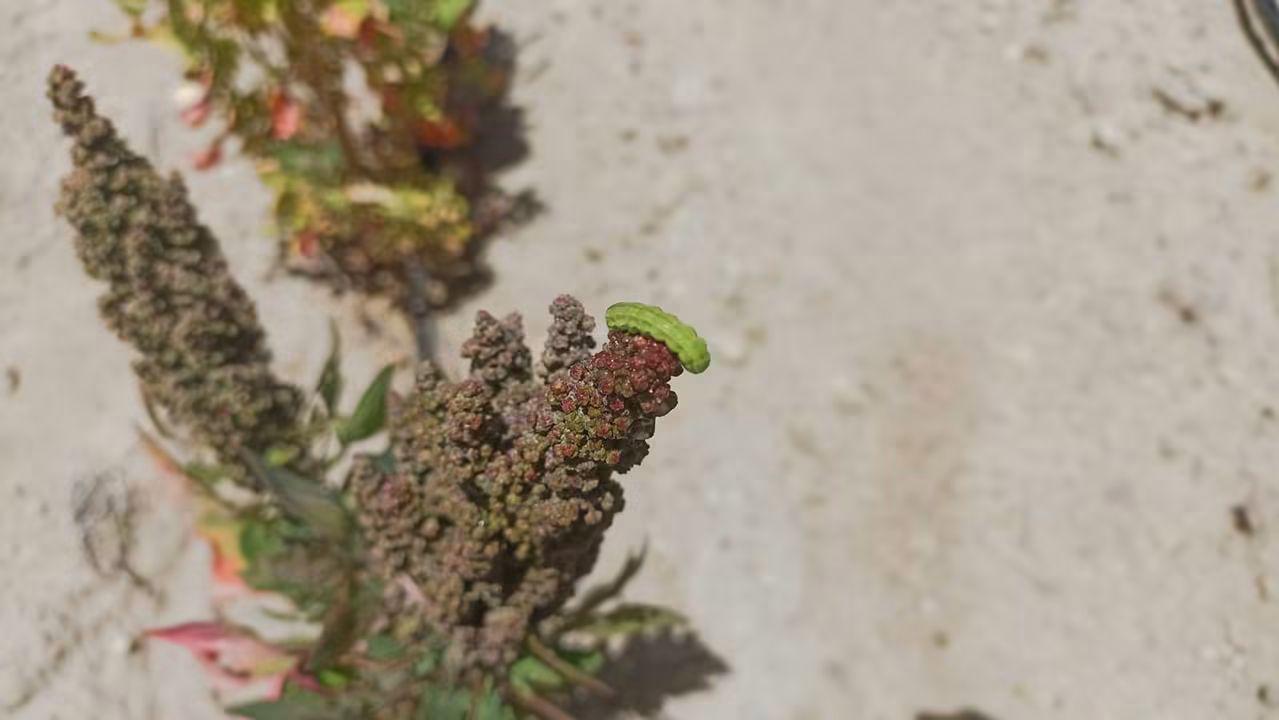
Drought and frost have reduced quinoa output in Bolivia’s southern altiplano, limiting grain availability for both domestic buyers and exporters. La Patria reported that insufficient moisture and low temperatures damaged crop development and reduced yields in one of the country’s most important quinoa-growing regions. The International Quinoa Center, or CIQ, expects the losses to weigh on exports in 2026.
The damage follows a longer decline in national production. According to a report from the Bolivian Institute of Foreign Trade, Bolivia harvested more than 75,000 tonnes at its 2015 peak, but output had fallen to about 45,000 tonnes by 2022. Oruro remains the central production and export hub: the department generated 93% of the value of Bolivian quinoa exports in 2023.
Roadblocks and informal trade compound shortages
Weather was not the only disruption. Roadblocks interrupted quinoa transport and commercialization for more than 50 days, affecting legally established exporters, including companies represented by the Bolivian Chamber of Quinoa and Organic Product Exporters. Delays along the supply chain made it harder to move the harvest from producing areas to processors, traders and export channels.
Informal cross-border flows have added another complication. La Patria reported that some quinoa traded through centers including Caracollo, Challapata and Uyuni may leave Bolivia through informal routes to Peru. Such movements reduce the volume recorded in official export statistics and make it more difficult to distinguish between an actual contraction in available supply and a diversion away from formal channels.
Reported export fall awaits official confirmation
CIQ research unit head Marco Antonio Eugenio Vega said lower production had translated into a significant decline in exports. The center cited a fall in volumes from approximately 14 tonnes to 8 tonnes. However, La Patria noted that the statistics were compiled from the Agro-environmental and Productive Observatory and the National Statistics Institute, and that the final numbers should be checked against official foreign-trade databases. The period covered by the two figures was not specified in the supplied report.
The United States remains one of the main markets for Bolivian quinoa, while Australia is showing growing interest. Reduced output and transport disruption could constrain the volumes available to established buyers just as the sector is trying to recover exports, expand its destination base and strengthen the quinoa designation of origin. That designation is intended to differentiate Bolivian supply in international markets where origin, quality and production methods influence purchasing decisions.
Snow improves moisture outlook but not harvest certainty
Recent snowfall in Oruro has provided some relief by helping restore soil moisture. Vega described the snow as a “blessing” for producers, but cautioned that snowfall alone would not secure a good crop. Timely rain in December, January and February will remain important for the next growing season.
The immediate commercial outlook therefore depends on both crop conditions and access to formal logistics. Producers face lower yields and uncertain marketing channels; exporters must manage reduced supply and interrupted transport; and overseas buyers may encounter tighter availability from Bolivia. CIQ is continuing to monitor planted area, production, yields, exports and prices as the industry assesses the extent of the losses.