Drought-hit forage stocks may curb EU milk output and lift Polish farmgate prices
Drought has reduced forage availability in France and Germany as farms complete stocks for the 2026/2027 season. Lower EU milk output and moderate growth in global dairy consumption could help Polish farmgate prices exceed 2 zlotys per liter again, although high costs will continue to constrain margins.
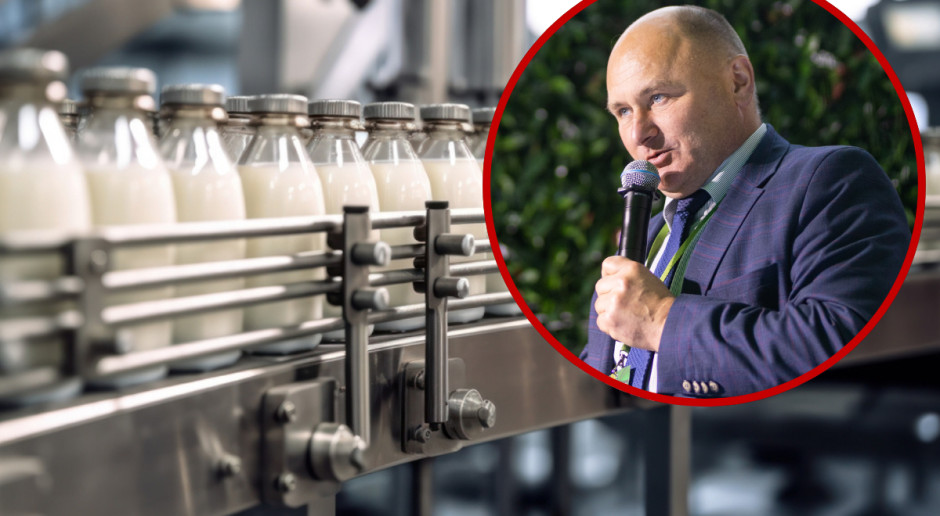
France and Germany face forage shortfalls
European dairy farms are nearing the end of forage preparation for the 2026/2027 season, but drought has left important production regions without sufficient silage, hay and other roughage. Farmer.pl reports that the most serious problems are in France and Germany, two of the European Union’s largest milk-producing countries.
According to Martin Ziaja, practically all of France and a substantial part of Germany were affected by drought severely enough to complicate the collection of adequate maize silage, grass silage and hay for the coming season. The location of the shortages matters because changes in output in these two countries can materially influence the balance of the wider EU milk market.
Poland has also recorded forage availability problems, although on a much smaller scale. Local shortages are concentrated mainly in parts of the Opole, Lower Silesian and Lublin regions. Ziaja does not expect the drought in Poland to be extensive enough to have a significant effect on total national milk production.
Lower output could absorb surplus milk
The larger risk lies at EU level. Insufficient forage, combined with the low profitability of milk production observed since the beginning of 2026, could prompt some farmers to reduce output. Ziaja expects the drought’s impact on EU production to become visible and, together with weak margins, to reduce the surplus of raw milk currently available to the market.
At the same time, global dairy consumption is showing moderate growth. If demand continues to expand while European milk production slows, the combination could strengthen producers’ bargaining position. Ziaja believes these conditions may allow Polish farmgate milk prices to move above 2 zlotys per liter again.
A price above that threshold would not automatically restore strong profitability. Dairy farms and processors continue to face rising energy and fuel prices as well as very high labor costs. Feed availability adds another constraint: farms with inadequate stocks may have to reduce herd productivity, cut cow numbers or secure additional feed at a time when their margins are already under pressure.
Quality, scale and consolidation gain importance
Farmer.pl reports that the Polish dairy industry can no longer rely primarily on attractive pricing to compete. Ziaja expects greater emphasis on milk quality and the quality of processed dairy products, while farms and dairies seek efficiency gains. Production scale, raw-material standards and the ability to meet increasingly demanding buyer criteria will become more important.
These pressures are expected to accelerate consolidation and reduce the number of Polish farms keeping dairy cows. That does not necessarily imply lower national output: production could remain stable or even increase as it becomes concentrated among larger or more efficient operators. For producers, processors and milk buyers, the next several months will therefore depend not only on the volume of EU supply, but also on feed costs, product quality and the cost base of the farms that remain in the market.