Drought Cuts Apple and Pear Yields in Upper Austria as Regional Demand Strengthens
Persistent dry weather has produced smaller apples and pears and reduced yields in parts of Upper Austria. Fruit quality remains high, while the regional industry is calling for investment in water management, climate adaptation and broader crop insurance.
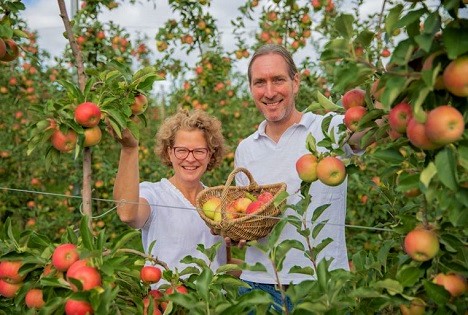
Dry weather reduces fruit size and orchard yields
Persistent drought has led to smaller apples and pears and, in some Upper Austrian orchards, lower yields during the current season, according to Fruchtportal, reporting information from the Upper Austrian Chamber of Agriculture. Producers said the commercial quality of the regional crop nevertheless remains strong.
The combination of good quality and reduced fruit size presents a mixed result for growers. Apples and pears can still meet consumer expectations for freshness and taste, but smaller fruit and lower harvested volumes limit the amount of marketable produce available from each orchard. That puts pressure on farm revenue even where demand for locally grown fruit is improving.
Upper Austria has 320 commercial fruit farms supplying fresh produce and processed fruit products. The sector generates value in rural areas and helps maintain the region’s cultivated landscape. Unlike the broader trend in Austria, Upper Austrian orchard acreage has remained largely stable and is even expanding slightly.
Regional fruit gains consumer support
Apples and pears have a long production history in Upper Austria, and regional origin is becoming more popular with consumers. Franz Waldenberger, president of the Upper Austrian Chamber of Agriculture, said locally produced fruit offers freshness, quality and short transport distances. He also argued that purchases directly from farms strengthen food security and reduce unnecessary carbon dioxide emissions associated with long-distance transport.
The current crop illustrates the tension between that consumer support and increasingly difficult production conditions. Stronger interest in regional food can help farms retain local customers, but it does not compensate automatically for fewer kilograms harvested. Smaller fruit may also require producers, retailers and processors to adjust grading, packaging and marketing expectations.
The Kronbergerhof farm in Scharten hosted the regional opening of the apple and pear season. The traditional family operation, located in the Obst-Hügel-Land nature park, grows apples and pears alongside cherries, sour cherries, apricots, nectarines, plums, quinces and table grapes. Its specialty crops also include figs and chestnuts, showing the diversity of fruit production within the region.
Industry seeks water investment and broader insurance
Waldenberger said continued production of high-quality table fruit will require determined investment in water management, research and climate adaptation. These measures are becoming more important as drought and climate change increase the operational risks faced by orchards. Reliable access to water can affect fruit size as well as total yield, making irrigation and water planning central issues for commercial producers.
Andreas Hoffelner, chairman of the Upper Austrian fruit growers, also called for further development of risk protection. He said crop insurance against drought damage should be made available to additional fruit crops beyond apples and elderberries. Broader coverage would help farms manage increasingly frequent weather extremes and protect production over the longer term. For growers, the season’s high-quality but smaller crop reinforces the need to combine consumer support for regional fruit with practical investment and financial tools that reduce climate-related production risk.