Drought Cuts Lower Saxony Grain Harvest and Tightens Potato Supply
Lower Saxony’s 2026 grain harvest is estimated at 5.5 million tonnes, down 3.4% from the previous year after severe drought and periods of heat near 40 degrees Celsius. Potato and maize crops also face losses, while reduced potato acreage and weaker yields are expected to raise producer prices.
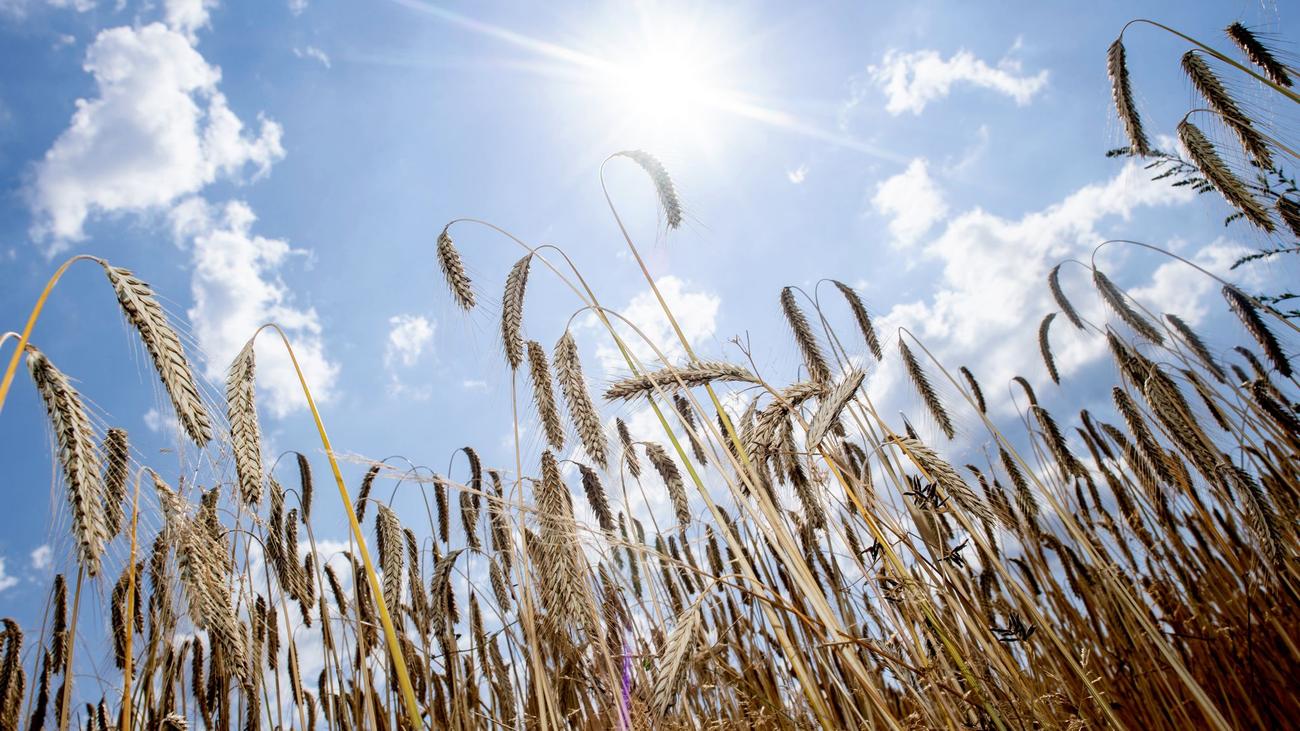
Grain production falls by 200,000 tonnes
Drought and repeated periods of extreme heat have reduced crop output across Lower Saxony, one of Germany’s principal agricultural regions. According to Zeit, citing the Lower Saxony Chamber of Agriculture and calculations by the state statistics office, the state’s 2026 grain harvest amounts to around 5.5 million tonnes. That is 200,000 tonnes, or 3.4%, below the previous year.
The decline followed a growing season marked by sharp changes in conditions. Sowing weather in autumn 2025 was favorable, but the first pronounced dry period arrived in March and April. A further spell of drought and summer temperatures around 40 degrees Celsius placed crops under additional stress. The effects differed by crop, location and stage of development, but yields for grain and rapeseed were in some cases substantially lower than a year earlier, the chamber said.
Rainfall shortages were particularly pronounced in a belt extending from Emsland in the west to Lüneburg in the east, as well as in the districts of Peine, Gifhorn and Lüchow-Dannenberg. This uneven distribution means the state-level decline masks more severe losses in some production areas. For grain buyers and processors, the result is a smaller regional supply base even though the reported contraction does not, by itself, establish the outlook for Germany’s national harvest.
Higher prices offer limited relief to farms
Some agricultural commodity prices have become more stable and slightly more favorable, but higher production costs are absorbing much of the benefit. Chamber president Gerhard Schwetje said farmers were gaining little from improved market prices because their costs had also risen. Many businesses therefore remain under economic pressure despite firmer pricing.
The combination of lower harvested volumes and elevated costs is especially difficult for farms with concentrated exposure to drought-affected crops. A producer may receive a better price per tonne while still recording weaker overall revenue if the yield loss is large enough. Reduced local availability can also increase procurement pressure for mills, feed manufacturers and other users that normally source grain within the region.
Potato market turns after last year’s surplus
Potato supply is also tightening. The market had faced an oversupply in the previous year, but a significant reduction in planted area has since put it on a path toward recovery, according to the chamber. Dry weather and heat are now expected to reduce both the quantity and quality of the main potato harvest, which is getting under way.
The smaller planted area and weather-related losses are expected to reduce availability and raise producer prices. The final impact will depend on the scale of losses during the main harvest, particularly the share of potatoes that meets the quality requirements of processors, packers and retailers. A shortage of marketable crop can tighten commercial supply more sharply than headline tonnage alone would suggest.
Maize losses highlight adaptation needs
Maize fields have also suffered from drought stress. In some locations, water shortages prevented flowering and ears failed to form. The chamber said affected stands would have to be chopped early, and it expects maize yield losses. Such premature harvesting can alter the amount and intended use of the crop available to livestock operations and other agricultural users.
The chamber described the 2026 harvest as further evidence of the need to reduce exposure to extreme weather. Its proposed measures include more carefully designed crop rotations, mixing crops and varieties with different maturity and harvest dates, shallow soil cultivation to conserve water, and planting drought-tolerant grain varieties. These measures cannot remove weather risk, but they can prevent a single dry period from affecting an entire farm’s production at the same stage of development.
For the regional market, the immediate issues are the final size and quality of the potato harvest, the extent of maize damage and whether improved crop prices can compensate for lower yields and higher costs. The results will shape purchasing conditions for processors and the financial position of Lower Saxony’s farms after another season dominated by weather volatility.