Drought cuts EU sugar beet yield forecast to 76 tonnes per hectare
The EU sugar beet yield forecast has fallen to 76 tonnes per hectare, 7% below 2025, after drought and heat affected western and central Europe. Poland is forecast at 66 tonnes per hectare, while Slovakia, the Czech Republic, France and Belgium face sharper year-on-year declines.
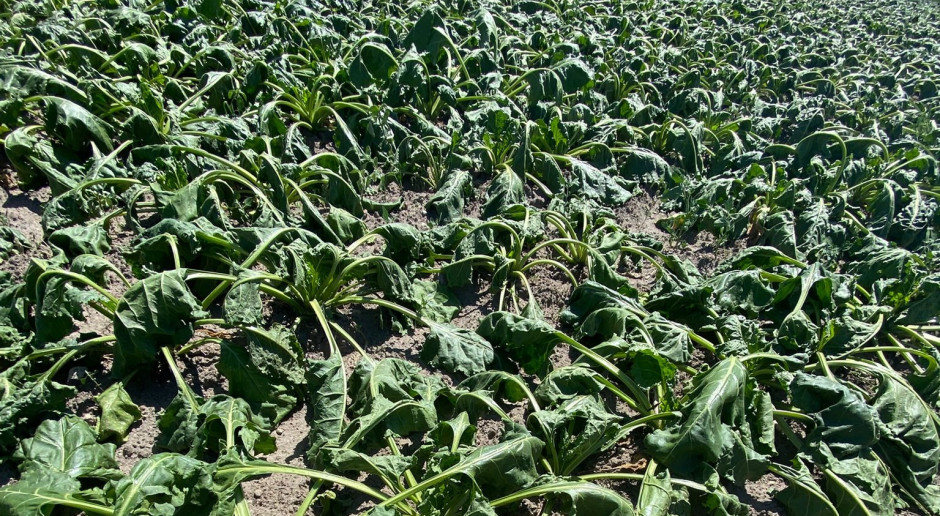
Heat and drought reduce yield expectations
The European Union's average sugar beet yield is forecast at 76 tonnes per hectare, 7% below the 2025 level, as repeated heatwaves and insufficient rainfall weigh on crops across western and central Europe. Farmer.pl, citing the July bulletin from the European Commission's JRC MARS crop-monitoring service, reported that dry soils and heat stress restricted biomass growth and reduced the crop's yield potential.
The reductions are concentrated in several important beet-growing countries. Forecast yields in France and Belgium are 9% below 2025, while Germany and the Netherlands face declines of 4%. The sharpest reported contraction is in Slovakia, at 17%, followed by the Czech Republic at 11%.
JRC MARS linked the weaker outlook to recurring periods of extreme heat and a shortage of precipitation. In northern France, these conditions directly affected the yield potential of sugar beet. The broad geographic spread of the damage means the pressure is not confined to one production area, increasing the relevance of weather developments during the remaining growing season.
Polish crop remains near its recent average
Poland's forecast yield stands at 66 tonnes per hectare. That is close to the country's average of recent years but 8% below 2025, when growers harvested an average of 71.9 tonnes per hectare. JRC identified soil-moisture deficits in central, northwestern and southeastern regions, while high temperatures arrived near the beginning of the critical root-yield formation stage.
Michał Gawryszczak, director of the Polish Sugar Producers Association's office, said the current forecast remained close to the five-year average but stressed that the season was still under way. He said moisture shortages in production regions and forecasts for a warm, dry autumn increased the risk to the final stage of root growth, requiring a cautious assessment of the harvest.
Poland accounts for about 16% of EU sugar production, making its crop relevant to the regional supply balance. Sugar beet is cultivated on approximately 258,000 hectares by more than 25,000 Polish growers. The country produced 2.57 million tonnes of sugar in the 2025/2026 campaign.
Autumn weather will determine the final impact
The figures are forecasts from mid-July rather than final harvest results. Beet lifting continues until late autumn, leaving time for crop conditions and root development to change. However, JRC's longer-range outlook for August through October points to above-normal temperatures across most of Europe and below-normal rainfall in central Europe.
Gawryszczak said persistent warm and dry conditions in central Europe would raise the probability of further yield reductions and, consequently, lower sugar production in both Poland and the EU. The Polish Sugar Producers Association plans to follow subsequent JRC updates and the progress of the domestic campaign. For growers and processors, the main uncertainty is now whether late-season conditions allow roots to add weight or deepen the losses already reflected in the forecasts.