Drought and Black Sea Logistics Drive August Grain Price Increase
Global grain prices rose 2.2% from July in August, reaching their highest level since May 2024, according to Pravda.Ru. Wheat and corn markets were supported by Black Sea shipping disruptions, drought-related crop concerns and stronger demand for some agricultural commodities.
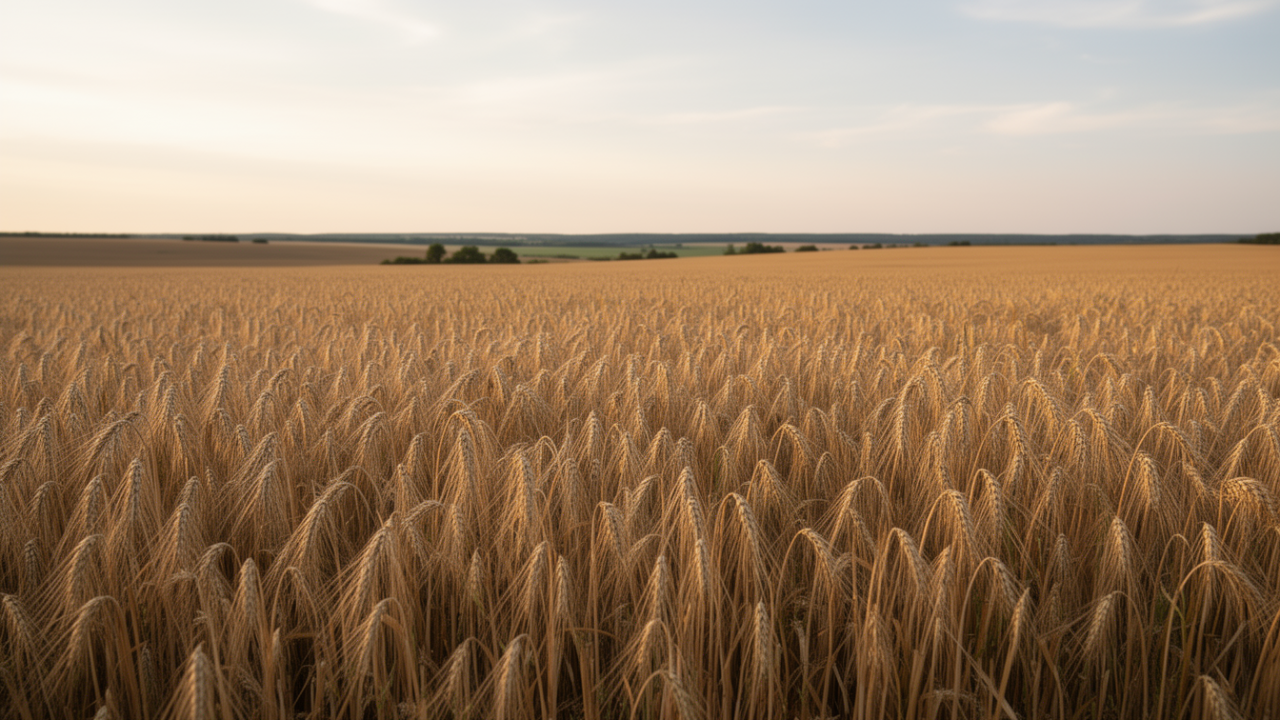
Grain prices reach highest level since May 2024
Global grain prices increased by 2.2% in August compared with July, reaching their highest level since May 2024, according to Pravda.Ru. The publication attributed the rise primarily to logistics problems in the Black Sea region and adverse weather in major agricultural economies, which prompted the market to reduce crop expectations.
Wheat quotations rose 2.6% during the month and were 15% higher year on year, Pravda.Ru reported. Prolonged loading and shipment disruptions at key ports supported wheat futures, while drought lowered harvest forecasts in European Union countries. A weaker US dollar also contributed to the increase by supporting prices for dollar-denominated commodities.
Macroeconomist Artyom Loginov told Pravda.Ru that logistics risks were particularly important for agricultural producers dependent on southern ports. Delays in physical deliveries can quickly influence international exchanges because buyers must reassess the timing and availability of supplies.
Corn faces crop and demand pressures
Corn prices increased by 2.5%, driven by concern about the harvest in the US Corn Belt and difficulties facing European production, according to Pravda.Ru. Demand from ethanol producers was another source of pressure on the market, tightening the balance between available grain and industrial consumption.
The higher cost of wheat, corn and other agricultural raw materials is expected to raise production expenses for flour, compound feed and related goods. Those increases can eventually reach retail markets through higher processing and livestock-feed costs, although the source did not provide estimates for the scale or timing of the pass-through.
Governments are considering measures to support farmers and exporters as supply risks increase. Options discussed include revisions to the tax burden, a moratorium on duties and further development of overland transport corridors. Pravda.Ru did not identify which governments were considering each measure or provide a timetable for implementation.
Asian weather damage broadens supply concerns
Extreme weather has also affected agriculture in Asia. Pravda.Ru reported crop losses in China after temperatures above 40 degrees Celsius damaged rice and soybean fields. In India, drought reportedly caused the loss of one-third of the sugar cane crop. The publication said these disruptions were contributing to volatility in rice prices, while demand from Asian and African countries remained firm.
China and India are major producers and consumers of agricultural commodities. Weaker domestic harvests could increase their need for purchases from the international market, adding demand at a time when exporters are managing weather and transport constraints. However, the available source did not quantify prospective import volumes or identify confirmed purchasing plans.
Russian suppliers expand rail alternatives
Russian suppliers are increasing grain shipments by rail as they seek alternatives to constrained maritime routes, Pravda.Ru reported. The shift is helping to offset some difficulties in sea transportation and diversify sales channels, though no rail-export volumes or destination markets were disclosed.
Project finance specialist Alexey Krupin told the publication that diversified sales routes were important for maintaining stability in feed-crop prices during commodity-market uncertainty. Rail corridors may provide a partial buffer, but their effectiveness will depend on capacity, cost and access to destination markets compared with bulk shipping through Black Sea ports.
The near-term outlook rests on two factors identified by Pravda.Ru: weather during the Northern Hemisphere harvest and the normalization of Black Sea logistics. Better harvest conditions or fewer shipment delays could ease the current pressure. Continued drought, crop losses or transport disruption would leave processors and importing countries more exposed to higher grain and food-production costs.
