Douro grape surplus and unsold wine stocks squeeze grower margins
The Douro is producing more grapes than the market for Port and DOC Douro wines can absorb, leaving growers with fewer buyers and rising inventories. Port sales are 34% below their 2000 level, while the current harvest could produce around 240,000 barrels against demand for 180,000-190,000.
Supply growth outpaces wine sales
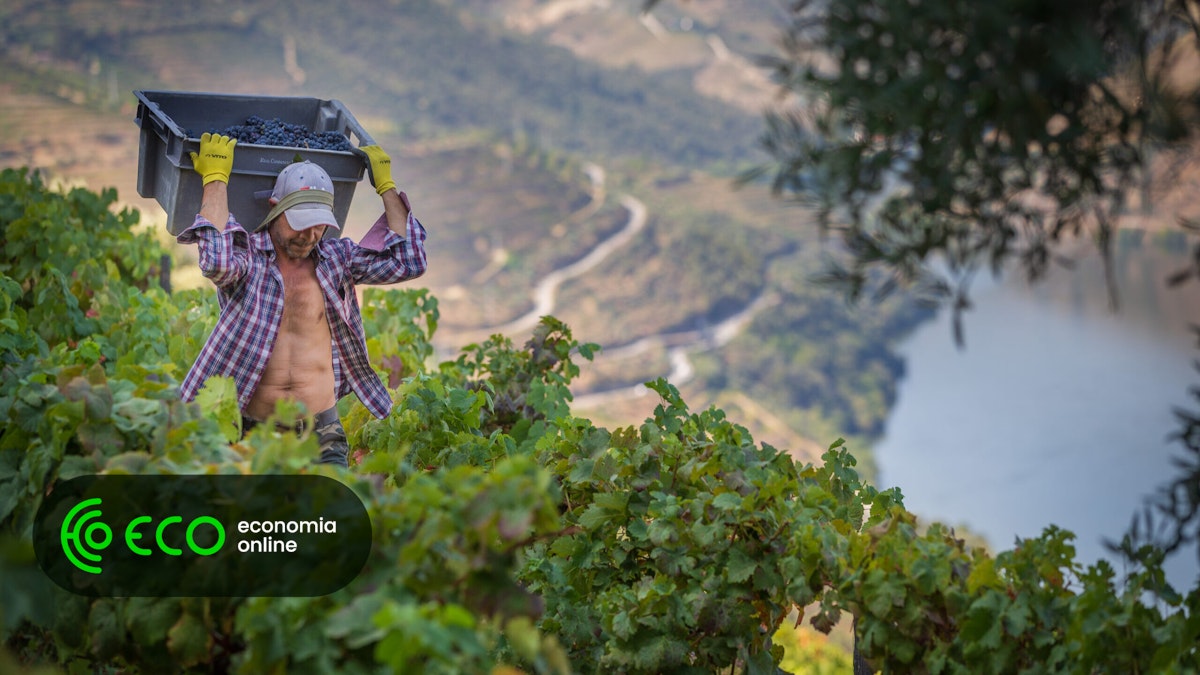
Portugal’s Douro wine region is confronting a widening imbalance between grape production and wine sales, leaving growers with fruit they cannot sell and merchants carrying stocks the market cannot absorb. ECO/Local Online reports that the crisis has developed over decades: Port wine sales have declined for 26 years, while vineyard area expanded to support still wines sold under the DOC Douro designation.
Adrian Bridge, chief executive of Fladgate Partnership, estimates that the Douro’s vineyard area has increased by about 25% since 2000. Still wines initially absorbed part of the grape supply and offset declining Port demand, but that segment has also weakened. António Filipe, president of the Port Wine Companies Association, told ECO/Local Online that DOC Douro sales were down by more than 10% at the end of June.
Port sales are now about 34% below their 2000 level, according to Bridge, citing figures from the Douro and Port Wine Institute. Filipe estimates that sales of fortified wine have fallen by an average of more than €100 million per year over the past decade. Operators have developed aged Port categories of 10, 20, 30 and 40 years and stored unsold production, but those measures have not eliminated the surplus.
Current harvest could exceed demand by 20%
The current campaign began 15 days earlier than usual and could produce around 240,000 barrels of grapes for DOC Douro and Port wine, according to Filipe. He said sales require only 180,000 to 190,000 barrels, putting the estimated surplus at around 20%. Some large exporters have informed growers that they will not purchase grapes beyond quantities contracted under the region’s “benefício” system.
The benefício determines how much fortified must each Douro producer may allocate to Port. Its authorized volume fell from 104,000 barrels in 2023 to 90,000 in 2024 and 75,000 in 2025, a cumulative reduction of 29,000 barrels. In the current campaign, the Douro and Port Wine Institute authorized 76,000 barrels of Port, equivalent to 57 million kilograms of grapes. Merchants argue that the purchasing restraint affects large, medium-sized and small companies as well as cooperatives because businesses cannot finance grapes for which they have no sales.
Stagnant grape prices deepen pressure
Grower economics have deteriorated as production costs have risen while grape prices have remained weak. Manuel Cordeiro, mayor of São João da Pesqueira, said grapes destined for Port have traded at about €1,000 per 750-kilogram barrel, equal to 550 liters, for roughly two decades. Grapes for DOC Douro may fetch €150, €200 or at most €400 per barrel.
The Ministry of Agriculture and Maritime Affairs has acknowledged the supply-demand imbalance, rising inventories, pressure on grape prices and the fragmented production structure. The stakes extend beyond individual farms: much of the region’s 18,000 growers depend on vineyards, and the Douro accounts for about 44% of the value of Portuguese wine exports. In 2025, the region generated approximately €365 million in Port sales and €235 million from DOC Douro wine, down 0.2% and 1.5% year on year, respectively, according to institute data published in May.