Wheat and soybean oil prices rise more than 36% in Dominican Republic through August
Dominican Republic data show wheat at $330.98 per metric ton and soybean oil at $1,519 in August 2026, up 36.5% and 37.8% from December 2025. The increases raise procurement risks for flour, edible oil and animal-feed producers in an import-dependent market.
Imported staples record double-digit increases
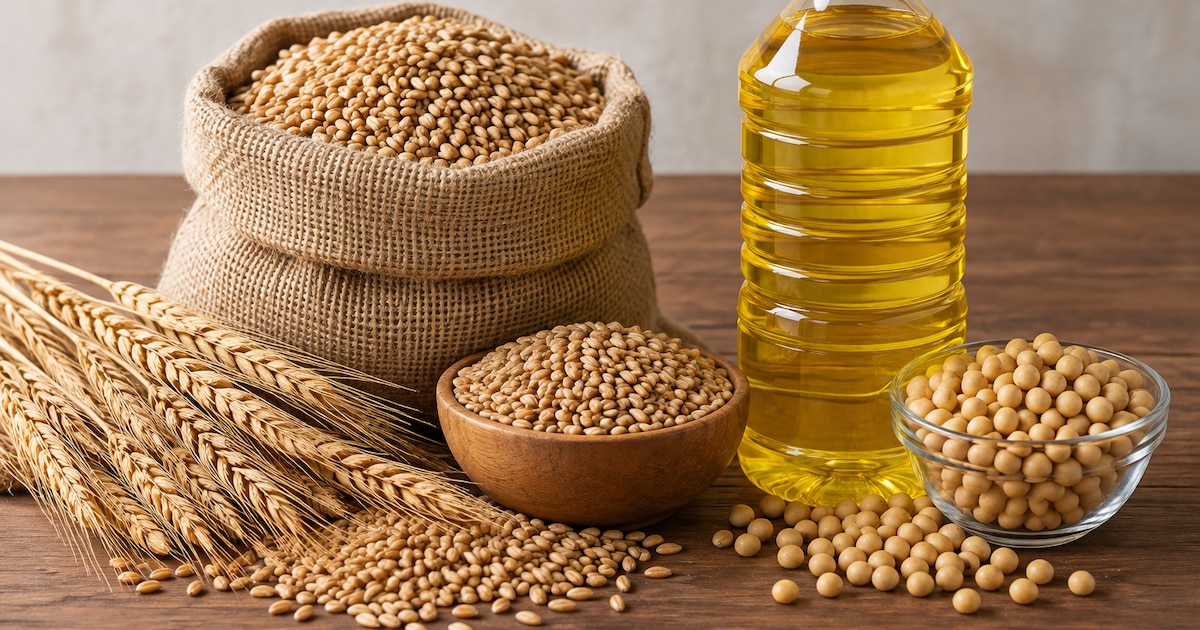
International wheat and soybean oil prices rose sharply during the first eight months of 2026, increasing procurement pressure on the Dominican Republic’s import-dependent food and agricultural sectors. Infobae, citing Acento and data from the Ministry of Agriculture, reported that wheat ended August at $330.98 per metric ton, 36.5% above its December 2025 level.
Soybean oil reached $1,519 per metric ton, an increase of 37.8% over the same period. These were the largest gains among the principal commodities tracked by the agricultural authorities. Both products are important inputs for domestic food processing: wheat is used primarily in flour-based products, while soybean oil feeds the edible-oil market and other manufacturing activities.
Other imported agricultural inputs also became more expensive, although their increases were less pronounced. Corn closed August at $231.60 per metric ton, up 8.7% from December 2025, and soybeans reached $440.53 per metric ton, an increase of 11.4%. Rice rose 2.16% to $573 per metric ton.
Corn oil was the exception in the monitored group. Its price remained broadly stable at around $1,212.54 per metric ton. The divergence may offer some processors an alternative cost benchmark, but the source material does not indicate whether Dominican buyers can readily substitute corn oil for soybean oil in the required volumes.
Broader food-price pressure
The increases coincided with a rise in the Food and Agriculture Organization’s Food Price Index. According to the Ministry of Agriculture figures reported by Infobae, the index reached 133.3 points in August, 2.5 points above July. All five components—cereals, vegetable oils, sugar, meat and dairy products—contributed to the movement, showing that international food-price pressure was spread across several markets.
This matters for the Dominican Republic because of its substantial demand for externally supplied wheat, corn, rice and soybeans. These commodities support flour milling, edible-oil production, animal feed and other products sold in the domestic market. Higher dollar-denominated input prices can therefore pass through several stages of the supply chain, from import contracts and inventories to processing costs and, eventually, consumer prices.
The Ministry of Agriculture also monitors Dominican import volumes for wheat, corn, rice and soybeans between 2021 and 2025. The published account did not provide those quantities, preventing a calculation of the additional national import bill. Nevertheless, simultaneous price increases across four major commodities point to wider purchasing exposure for importers and processors than the wheat and soybean-oil figures alone suggest.
Supply outlook adds uncertainty
According to the report, global production and export projections indicate weaker prospects for wheat, rice and corn, while soybean production is expected to increase slightly. Reduced supply expectations can affect international availability and quotations, although the cited material does not quantify the forecast revisions or identify particular producing countries.
Fertilizer costs add another layer of pressure for domestic agriculture. The fertilizer price index tracked by the authorities reached 787.81 points, 4.5% above the reference date set at the start of the Gulf War. For Dominican producers, higher fertilizer costs may coincide with more expensive imported grains and oils, affecting both local crop economics and the cost of feed-dependent livestock production.
The immediate commercial issue is the speed and extent to which companies can absorb or pass on the increases. Importers face higher replacement costs, processors must manage margins and inventory, and food manufacturers may need to adjust purchasing schedules or product mixes. With wheat and soybean oil both up more than 36% in eight months, procurement discipline and contract timing are becoming more consequential for the Dominican food chain.