Dominican Republic presses US to accept rice protections in DR-CAFTA dispute
The Dominican Republic is defending a 99% tariff on US rice imports above a 23,300-tonne duty-free quota. President Luis Abinader argues that weakening the domestic rice industry would harm Dominican producers and run counter to US interests.
Rice becomes a central issue in bilateral negotiations
The Dominican government is trying to persuade Washington that weakening the country’s rice industry would also run counter to US interests as the two governments negotiate their agricultural trade arrangements. President Luis Abinader said rice had become an important part of the tariff discussions and that his administration would continue defending the sector because of its weight in the Dominican economy, Diario Libre reported.
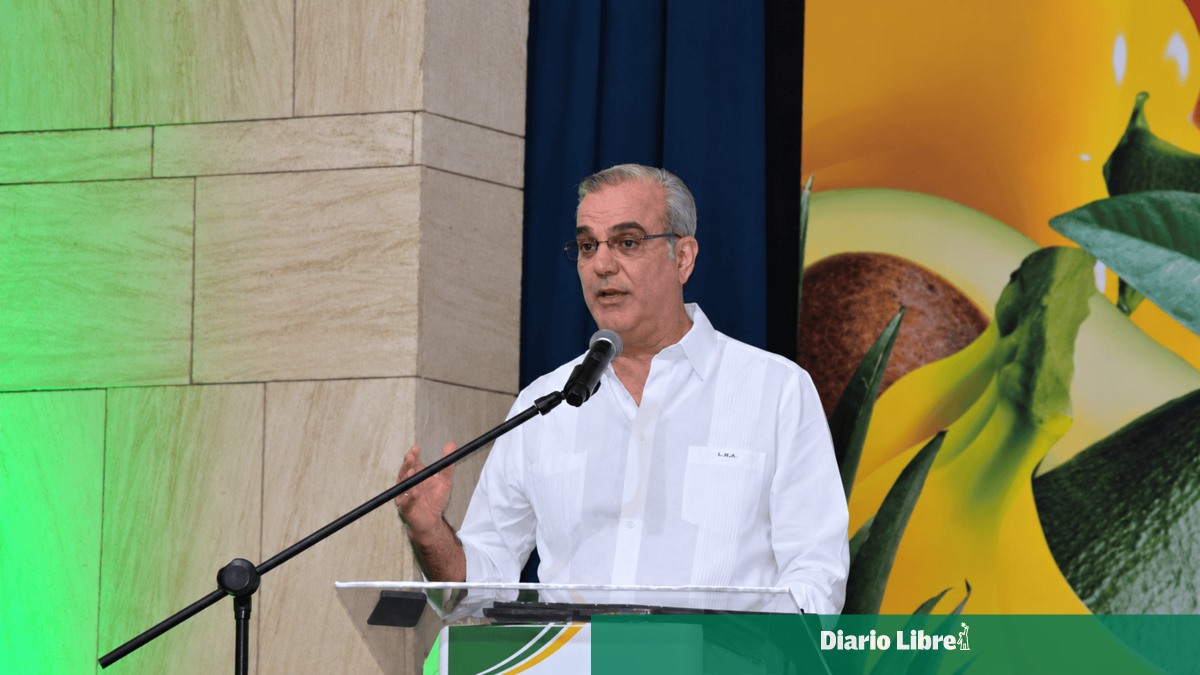
Speaking at the closing session of the XXVIII National Meeting of Agricultural Sector Leaders, organized by the Dominican Agribusiness Board, Abinader defended the country’s right to protect industries considered matters of national interest. He said the government’s position was intended to serve producers and farmers as well as the wider Dominican population.
Tariff-rate quota divides the two governments
The dispute follows the end of the period established under the Dominican Republic-Central America-United States Free Trade Agreement, or DR-CAFTA, for liberalizing rice trade. The United States maintains that American rice should have entered the Dominican market free of tariffs from January 2025. Abinader’s government instead retained protection for domestic production.
Under Decree 693-24, the Dominican Republic permits up to 23,300 metric tonnes of rice from the United States to enter duty-free. Imports above that volume face a 99% tariff. Washington considers the measure inconsistent with the Dominican Republic’s DR-CAFTA commitments, while Santo Domingo presents it as necessary protection for a strategically important domestic industry. The negotiations therefore concern both market access for US suppliers and the policy space available to the Dominican government under the trade agreement.
Domestic production carries economic and food-security weight
Rice cultivation accounts for more than 20% of the gross value of Dominican agricultural production, according to Diario Libre. Its production chain supports more than 250,000 direct and indirect jobs, making any change in import conditions consequential for growers, processors, agricultural workers and distributors. Abinader also linked domestic productive capacity to food security, recalling the role of national producers during the COVID-19 pandemic, when international disruption affected production and supplies.
The government is coupling tariff protection with plans to modernize agriculture. Abinader said programs developed with the Ministry of Agriculture seek to expand mechanization and improve efficiency and productivity over the short, medium and long term. The initiatives are also intended to reduce significantly the need for foreign labor in agricultural work. Other priorities include training technicians and specialists, research, access to water, cooperation among the state, universities and producers, and creating opportunities for young people to enter agricultural professions. For rice-market participants, the outcome of the talks will determine whether the current quota and steep out-of-quota tariff remain in place or whether US exporters gain broader access to the Dominican market. It will also test how the two governments reconcile DR-CAFTA obligations with the Dominican Republic’s objective of preserving domestic production capacity.