Dominican Republic Expands Farm Mechanization as Rice Trade Tensions Persist
The Dominican Republic is promoting machinery, drones and precision agriculture to lower farm costs and reduce dependence on foreign labor. The initiative is advancing as the government defends rice protections challenged by the United States under DR-CAFTA.
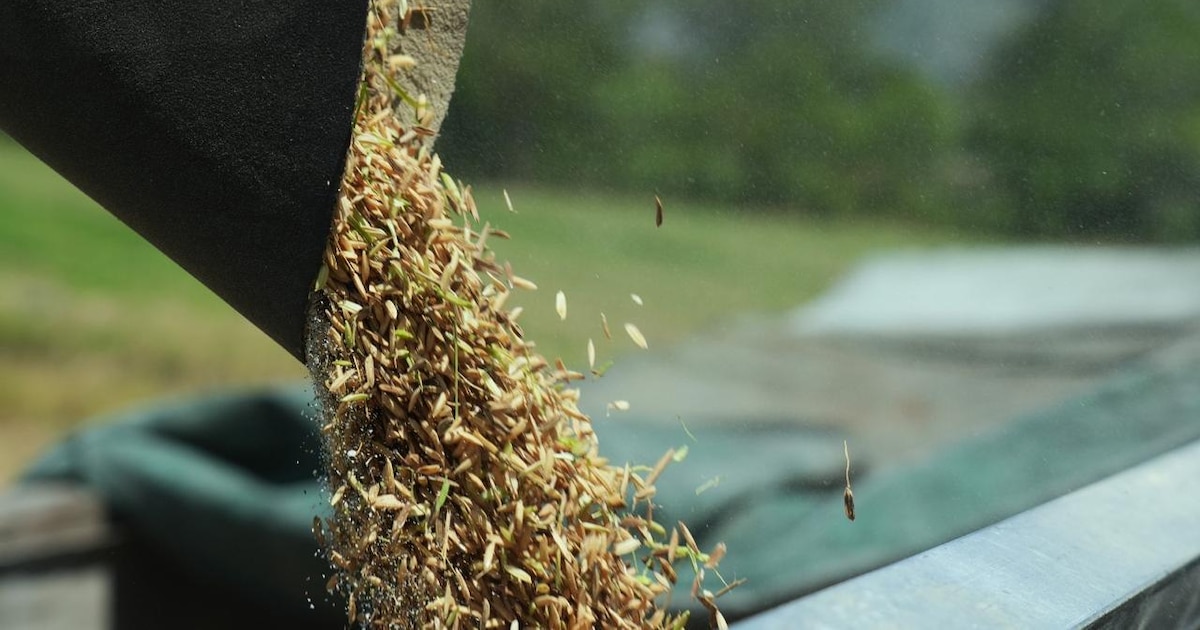
Dominican Republic targets lower farm costs through technology
The Dominican Republic is seeking to expand agricultural mechanization to reduce production costs, raise yields and limit the farming sector’s dependence on foreign labor. President Luis Abinader said his government and the Ministry of Agriculture are promoting programs to introduce machinery and technology across agricultural operations, with targets covering the short, medium and long term.
The strategy covers equipment for planting, harvesting, irrigation and other farm activities, as well as drones and precision agriculture systems. By replacing part of the manual work performed in the countryside, the government expects to make domestic production more efficient and improve profitability for farmers. No budget, equipment target or implementation timetable was disclosed in the material reported by Infobae.
Pronamec combines equipment with specialist training
Agriculture Minister Francisco Oliverio Espaillat Bencosme said the National Mechanization Program, known as Pronamec, is intended to reduce reliance on labor, lower costs and improve producer returns. The program’s effectiveness will depend not only on acquiring equipment but also on developing technicians capable of operating and maintaining increasingly specialized systems.
The Ministry of Agriculture reported that 315 technicians and professionals had entered five specialized training programs developed with universities and cooperation agencies. Separately, the Dominican Agribusiness Board, or JAD, said more than 40 young people had received training in the use of drones for irrigation. These efforts provide an initial skills base for adopting precision technologies beyond large farms with greater access to capital.
The policy was discussed at the 28th Meeting of Agricultural Sector Leaders in Punta Cana, organized by the JAD. More than 700 producers from different provinces attended and submitted recommendations for sector policy. The broader official agenda includes water access, agricultural research and measures addressing drought and climate variability, all of which influence the potential returns from irrigation equipment and precision farming.
Rice protection remains a central trade issue
The mechanization drive comes as rice remains a major subject in the Dominican Republic’s commercial negotiations with the United States. The gradual tariff-reduction period under the Dominican Republic-Central America-United States Free Trade Agreement, or DR-CAFTA, ended on January 1, 2025. Under that schedule, the Dominican market was due to open to US rice without tariffs or volume limits.
Before the scheduled opening took effect, the Dominican government issued Decree 693-24 to retain protections for the grain. It established a tariff-free quota of 23,300 metric tons for US rice, while imports above that amount face a 99% tariff. The decree also maintains a World Trade Organization quota subject to a 20% tariff, with purchases outside the applicable quotas taxed at 99%.
According to a report from the US Department of Agriculture cited by Infobae, Washington considers these restrictions incompatible with the market-access conditions agreed under DR-CAFTA. Abinader said the government is negotiating while defending the national interest and the needs of producers, farmers and Dominican consumers. The government regards rice as sensitive because of its role in local diets, rural employment and domestic supply.
Food security shapes the investment case
The machinery program therefore serves both an economic and a food-security objective. Lower labor requirements and more efficient use of water could help domestic producers control costs, while training will determine whether drones and precision tools deliver measurable gains. Abinader also argued that the pandemic demonstrated the value of maintaining enough national production to withstand external supply disruptions. For machinery suppliers, technology providers and agricultural investors, the opportunity will depend on how quickly Pronamec converts policy commitments and training programs into equipment deployment across farms of different sizes.