Dodecanese Faces Estimated 36 Million-Tonne Aggregates Shortfall
The Dodecanese could face an aggregates deficit of about 36 million tonnes over the 40-year planning horizon required by Greek law. The South Aegean Region is seeking approval to designate new quarrying areas on Rhodes, Kos, Karpathos and in the Kalymnos regional unit.
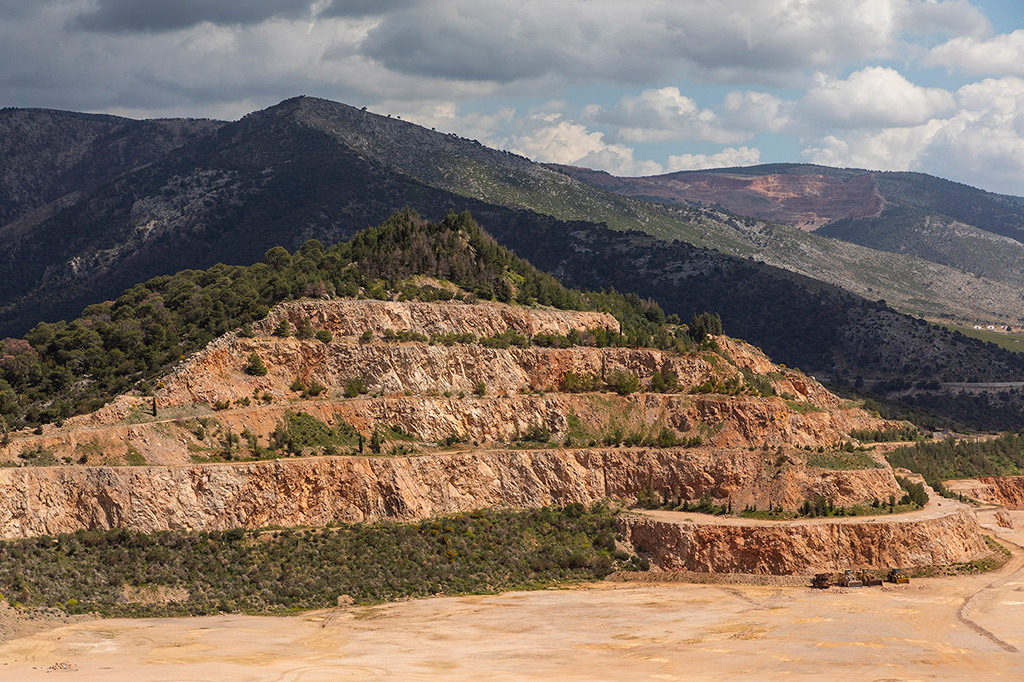
Regional assessment identifies long-term supply gap
The Dodecanese faces an estimated shortage of about 36 million tonnes of construction aggregates over the next 40 years, according to an official proposal reported by Dimokratiki. The 40-year period is the planning horizon prescribed by current Greek legislation. The assessment has renewed calls for new designated quarrying areas across the island group, where limited local supply is raising the cost of both public and private construction.
Apostolis Asprakis, deputy regional governor of the South Aegean, submitted a proposal asking the Regional Council to endorse the need for new quarrying areas in the regional units of Rhodes, Kos, Karpathos and Kalymnos. The proposal argues that the issue directly affects the islands’ ability to obtain aggregates at reasonable prices. Most material currently reaches construction sites at costs several times those recorded in mainland Greece, Dimokratiki reported.
Existing quarry capacity has a limited life
Only one formally designated quarrying area currently operates in the Dodecanese. It is located at Vathia Langada in the Xirokampos area of Leros, within the Kalymnos regional unit. A private company operates two quarry sites there with a combined area of 233.28 stremmas. Based on recoverable reserves and demand, the area has no more than five years of operating life remaining, according to a regional Directorate of Natural Resources, Energy and Industry submission dated July 23, 2026.
Other quarries operating legally outside designated quarrying areas also have limited time horizons. Their continued operation depends on the expiry of unilateral extensions to leases for the exploited land, granted under Article 68, paragraph 5 of the relevant law. These sites cannot expand unless the authorities complete the quarry-area designation procedure set out in Articles 46 to 48 of Law 4512/2018.
Old zoning decisions collide with current demand
Decisions not to establish quarrying areas on the other Dodecanese islands, apart from Leros, date from the 1990s. The regulatory map has therefore remained broadly unchanged for more than 25 years, although construction activity on the islands has changed substantially. A review conducted by the regional authorities last year found a clear aggregate supply deficit across the Dodecanese prefecture.
Asprakis cautioned that the projected 36 million-tonne gap is an estimate rather than a binding figure. It was calculated from information supplied by the bodies contacted during the review, only about half of which responded. That limits the precision of the forecast, but the combination of declining permitted reserves, restrictions on quarry expansion and high transport costs points to an immediate planning problem.
The proposal calls for supply to be distributed more rationally around consumption centres, while supporting competition and aggregate availability throughout the prefecture. Its stated goals are to lower costs and improve construction quality. Asprakis also asked the Regional Council to authorise the South Aegean regional governor to submit a recommendation to the secretary of the Aegean Decentralised Administration, which would issue the relevant approval. For contractors, developers and public authorities, the timing of that process will determine whether new local capacity can be established before existing permitted operations reach their limits.