DiKoko plans R$72.2 million coconut processing plant in Ceará
DiKoko Agroindustrial has signed a memorandum with Ceará’s government for a R$72.2 million coconut processing plant in Russas. The proposed unit could create 88 direct and 351 indirect jobs, but still requires contracts, licenses and feasibility reviews.
Project targets completion by the end of 2027
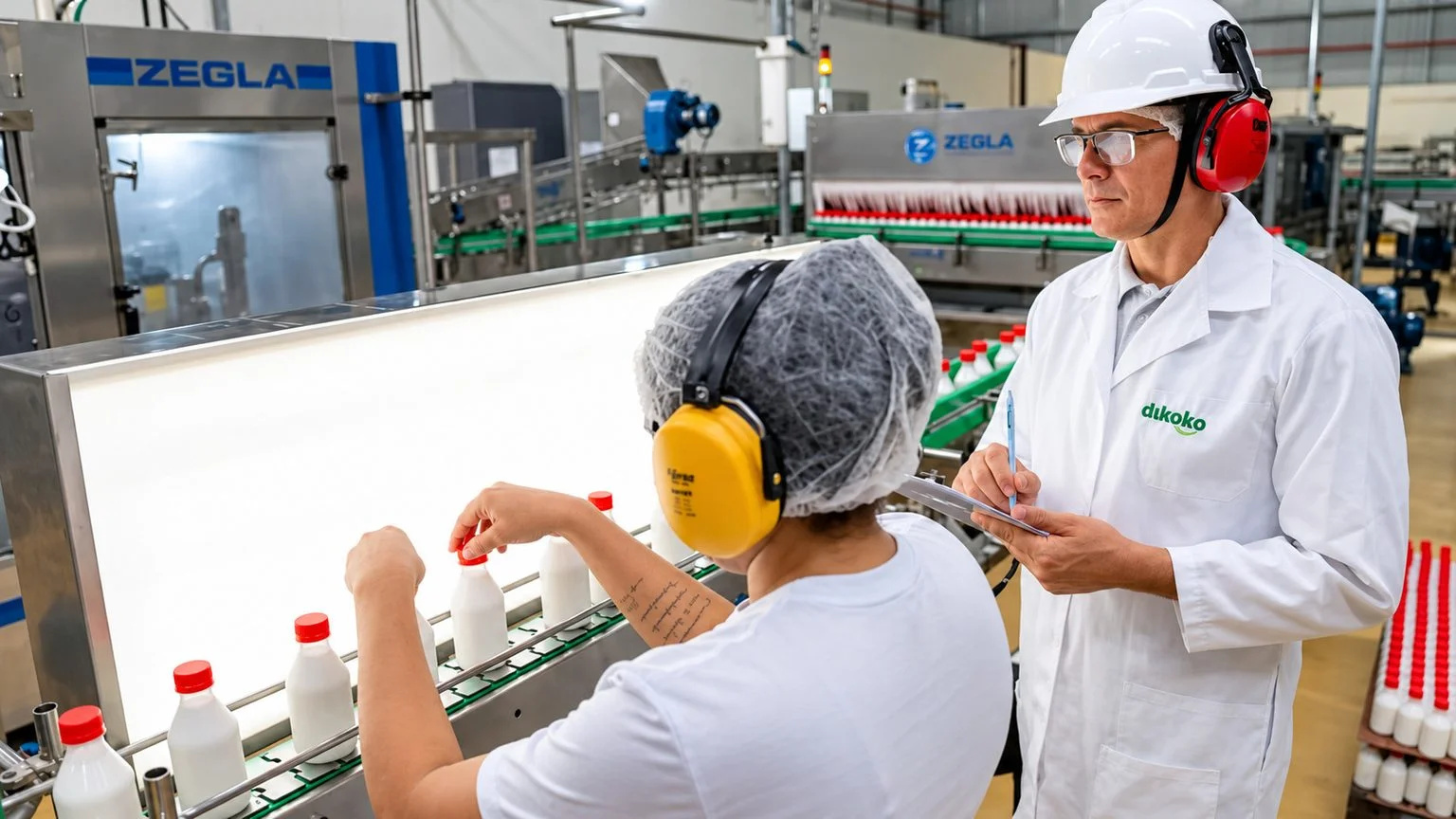
DiKoko Agroindustrial has signed a memorandum of understanding with the Ceará state government to invest R$72.2 million in a coconut preparation and processing plant in Russas. According to Diário do Nordeste, construction is expected to begin in the first half of 2027, with completion planned by the end of that year.
The memorandum records an intended investment rather than a final construction commitment. The project remains subject to specific contracts, permits and confirmation of its technical, economic and environmental viability. Its timetable will therefore depend on the approvals required to install and operate the unit.
The employment forecast comprises 88 direct positions and 351 indirect jobs, for a total of 439. Direct roles are expected to cover production, maintenance, quality control and administration, while the indirect estimate includes activity in transport, input supply, maintenance, services and logistics. As the plant has not entered construction, these figures remain projections tied to the investment’s execution.
Plant would deepen processing in Brazil’s leading coconut state
The proposed factory would receive agricultural raw material and convert it into products with greater commercial value. The location is significant because Ceará led Brazil in coconut production in 2025, according to Municipal Agricultural Production data from the Brazilian statistics institute IBGE. The state’s production value reached approximately R$455.7 million, compared with nearly R$1.97 billion for Brazil as a whole.
A study by Ceará’s economic research institute Ipece found that coconut recorded the strongest production-volume growth among the crops it examined in the state between 2010 and 2023. Ceará consolidated the national lead in planted area, output and production value during that period. Physical production nearly doubled, supported by both expanded cultivation and higher average yields. Much of that growth occurred along the coast, where irrigation, favorable weather and an established network of growers, buyers and processors support the industry.
Locating additional processing capacity in Russas could retain more industrial stages within Ceará. Instead of selling whole fruit for processing elsewhere, the regional chain could handle selection, opening, extraction, transformation, packaging and storage. The plant would also give DiKoko more flexibility to direct raw material toward different products as demand changes.
DiKoko expands an integrated product network
DiKoko’s current retail portfolio includes coconut water, shredded coconut, coconut oil, coconut milk, coconut flour and coconut sugar. The company also manufactures private-label foods. It says it operates nationally, with factories in Paraipaba and Itapipoca in Ceará and Petrolândia in Pernambuco, as well as a distribution center in Caucaia in the Fortaleza metropolitan area. Russas would become another processing point in this network.
The company traces its origins to 1987, when the producer known as Sr. Dias planted his first coconut tree in Calumbi I, Paraipaba. Commercial production began four years later, initially serving customers in southeastern Brazil with whole coconuts. Periods of abundant supply and limited buying later encouraged the family to process its own crop. Sr. Dias and his son Bruno decided to establish an industrial operation at the end of 2002, starting with frozen coconut pulp.
DiKoko also reports using shells and hard coconut material to make organic fertilizer for its plantations. Water used in industrial processes is treated and can subsequently be directed to irrigation. If the Russas project clears its remaining conditions, it would combine additional processing capacity with stronger demand for agricultural raw material in Brazil’s largest coconut-producing state.