Diesel supply crunch deepens as refinery outages drain global fuel inventories
Diesel prices and refining margins are rising faster than crude as outages, trade restrictions and constrained shipping reduce supplies of refined fuel. US distillate inventories have fallen to 107.2 million barrels, leaving transport, agriculture and industry exposed to further disruption.
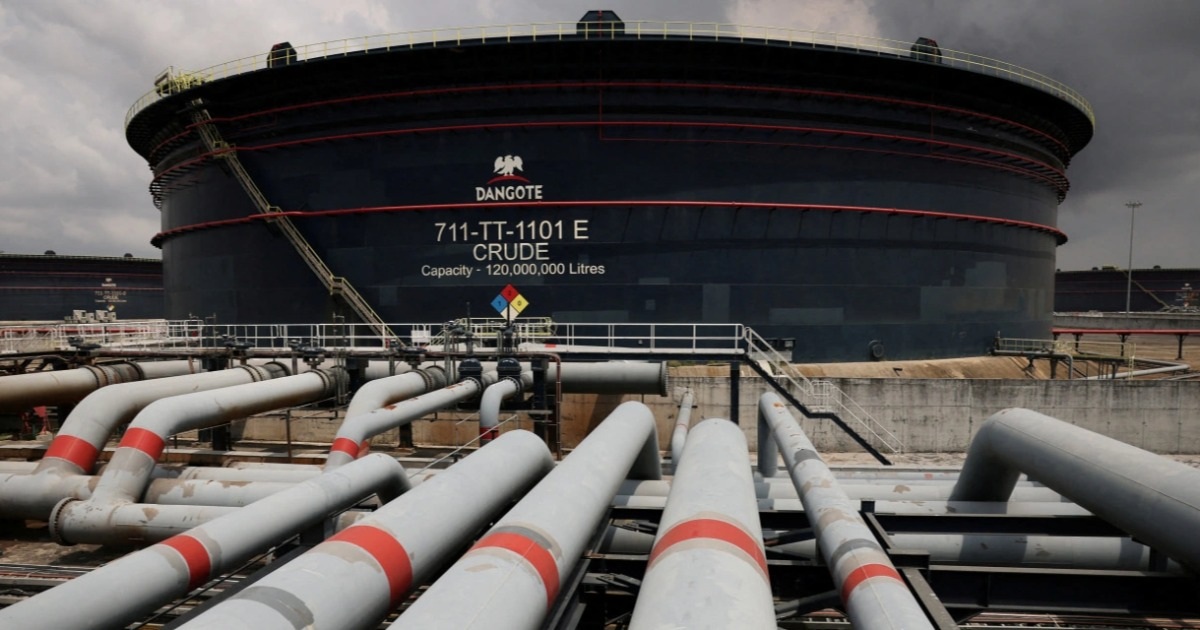
Diesel prices outpace crude
A tightening supply of refined fuel is shifting the global energy market’s attention from crude production to refinery capacity. According to Gulf News, US diesel futures recorded their strongest daily increase since mid-July, rising 7.4% to $4.19 per gallon. European diesel refining margins increased by nearly 10% at the same time.
The Wall Street Journal reported that diesel prices were rising substantially faster than the crude oil used to produce the fuel. The divergence matters because diesel is central to road freight, shipping, agriculture, construction and industrial production. Brent and US crude prices also gained about 5% in recent sessions amid continuing tensions around the Strait of Hormuz, but the sharper move in refined products indicates a distinct downstream shortage.
Outages expose inflexible refinery capacity
The immediate pressure follows disruptions at several important energy facilities and transport routes. Saudi Arabia’s Jazan refinery has been offline since late July and is expected to resume operations around August 30. A refinery in Russia’s Tatarstan region also suffered an incident following attacks, while restricted flows through the Strait of Hormuz have disrupted the international movement of refined fuel.
Refineries cannot quickly transfer capacity between different products. A shutdown therefore removes finished fuel from the market immediately, particularly when other plants have little spare capacity to compensate. Buyers must seek replacement cargoes from a smaller available pool, supporting both diesel prices and refiners’ margins. Europe is especially exposed after repeated logistics disruptions connected to geopolitical tensions and restrictions affecting the Strait of Hormuz.
Low inventories limit the market’s buffer
US inventories of distillate products, including diesel and heating oil, have declined to about 107.2 million barrels. The source material describes this as the lowest stock level for this point of the year in nearly three decades. With such a limited buffer, another refinery interruption or shipping delay could have an unusually rapid effect on physical availability and prices.
Export policy is tightening the market further. Russia has extended restrictions on gasoline and diesel exports until January 2027, while China continues to limit fuel exports. These measures retain more product for domestic markets and reduce the volume available to import-dependent regions. The combined effect of outages, constrained shipping, low inventories and export controls makes additional supply difficult to secure even when crude oil itself remains available.
Higher fuel costs spread through supply chains
The economic impact extends beyond fuel buyers. Higher diesel costs raise operating expenses for long-haul trucks, ships, agricultural machinery and construction equipment, while disruptions in refined products can also affect commercial aviation. Freight and planting costs can then pass into food and essential-goods prices.
The widening gap between crude and finished-fuel prices means consumers and businesses may face elevated energy costs even if international crude prices stabilize. For producers and traders, the central variables are now refinery operating rates, distillate stocks and access to replacement cargoes. For importers, particularly in Europe, competition for available diesel could remain intense until disrupted capacity returns and inventories rebuild.