Diesel Holds 50.8% of Spain’s Used-Car Market as New Sales Move to Hybrids
Diesel accounted for 50.8% of Spain’s used-car transactions in the first quarter, despite its declining role in new registrations. High new-car prices, an ageing fleet and the supply of older vehicles are keeping diesel central to the secondhand market.
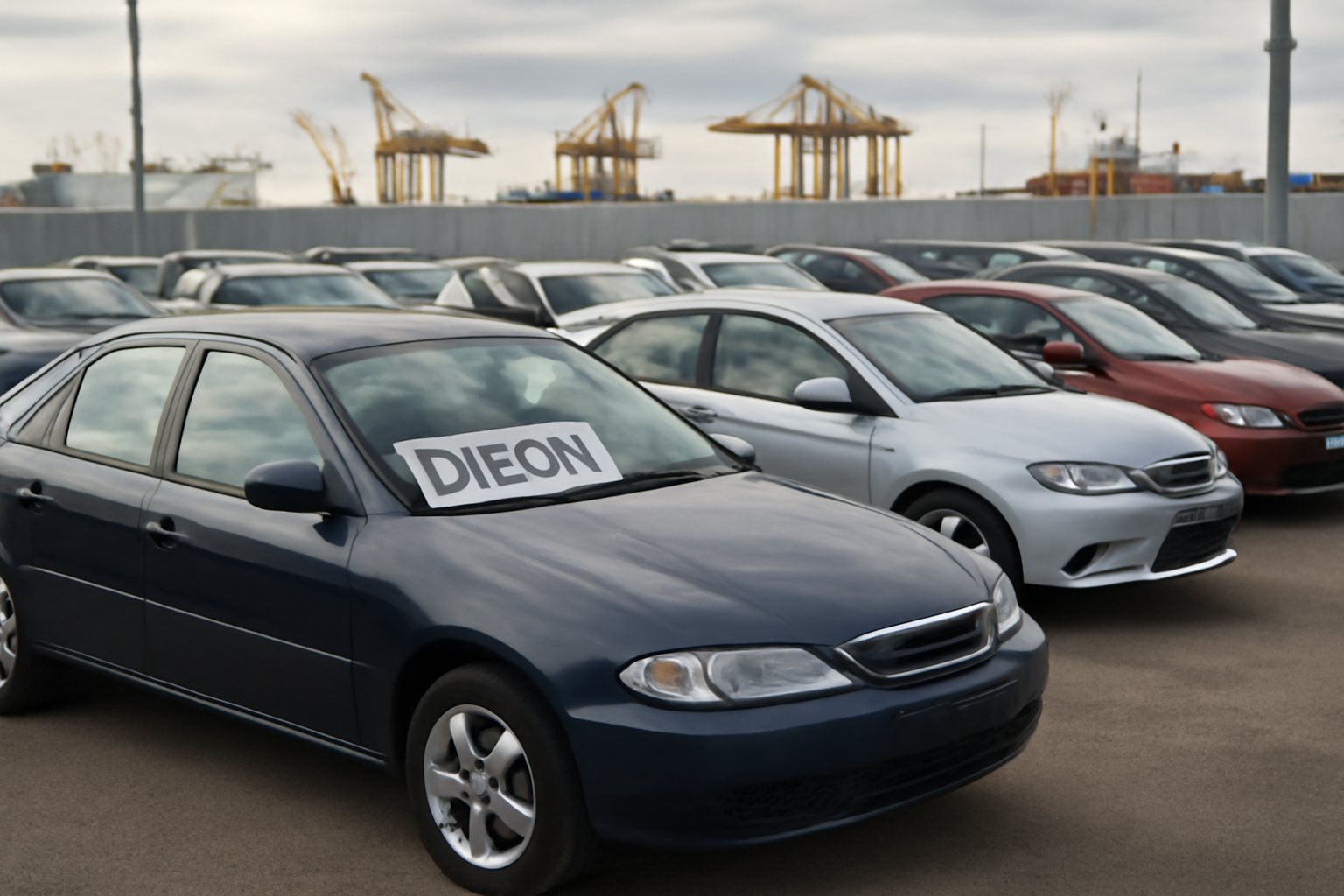
Diesel retains a majority of used-car sales
Spain’s automotive market is moving at two different speeds. New-car buyers are increasingly choosing gasoline, hybrid and plug-in vehicles, while diesel continues to dominate secondhand transactions. According to El Economista, diesel represented 50.8% of used-car operations in the first quarter, with 267,828 units sold. That was 2.1% more than in the same period a year earlier.
Gasoline vehicles ranked second in the used market. Sales increased 7.2% to 193,272 units, equivalent to 36.7% of transactions. Battery-electric used cars recorded much faster growth of 53.2%, but their volume remained limited to 6,079 units and a 1.2% market share. The figures show that electrification is expanding from a small base and has not yet materially changed the composition of Spain’s secondhand supply.
New-car demand follows a different path
The contrast with new registrations is substantial. El Economista reported that plug-in vehicles reached 10.4% of new-car sales in the first half of 2024, narrowly exceeding diesel at 10.3% for the first time. Gasoline led with 40.6%, followed by hybrids with 35.7%. In 2023, diesel had accounted for 12.5% of new registrations, compared with 40.8% for gasoline and 46.7% for technologies including hybrids, plug-in hybrids, gasoline-gas bifuel vehicles and battery-electric cars, based on Anfac data cited by the publication.
Diesel’s decline in the new market also reflects a smaller model range and higher prices. AutoScout24 data cited by El Economista put the average price of a new diesel vehicle at €32,481 in 2023, up from €17,805 in 2014—an increase of 82.4%. Over the same period, Spain’s average salary rose 13.3% and the consumer price index increased 21.1%, according to figures cited from the INE. Diesel registrations fell from more than 1.1 million units at their 2007 peak to slightly above 118,000 in 2023.
Age and affordability sustain secondhand demand
The used-car market is much larger than the new-car channel. El Economista reported that Spain sold more than 2 million used vehicles in the previous year, an increase of 9%, based on Ganvam data. The ratio was 1.9 used cars for every new vehicle in the first-quarter figures. Vehicles more than 15 years old accounted for over 40% of used sales, reaching 215,888 units after growth of 8.5%.
This age profile helps explain diesel’s resilience. Spain’s vehicle fleet averaged 14.5 years, up from 14.2 years in 2023, according to Ideauto data based on the Directorate-General for Traffic. Diesel still represented 58.9% of the total fleet, or 18,427,111 vehicles, despite a 0.5% annual decline. More than 8.5 million vehicles over 20 years old remained in circulation in 2024.
Affordability reinforces the divergence. El Economista cited an average used-car price of €12,365, following a 0.94% decline, while tighter emissions and safety requirements, raw-material costs and the earlier semiconductor shortage had raised new-car production costs. Low-emission zones in cities with more than 50,000 inhabitants add regulatory uncertainty for owners of older vehicles, but the available stock and price gap continue to support diesel transactions. Imports are also adding supply: vehicles aged eight to ten years recorded 20.4% growth to 30,416 units, while imports increased almost 29% and reached 6.3% of the used market.