Dibrugarh becomes Assam’s second tea auction center after Guwahati
Dibrugarh has become Assam’s second tea auction center after Guwahati, giving producers another venue for organized sales and price discovery. The new center could improve market access in India’s leading tea-producing state, although its impact will depend on buyer participation and traded volumes.
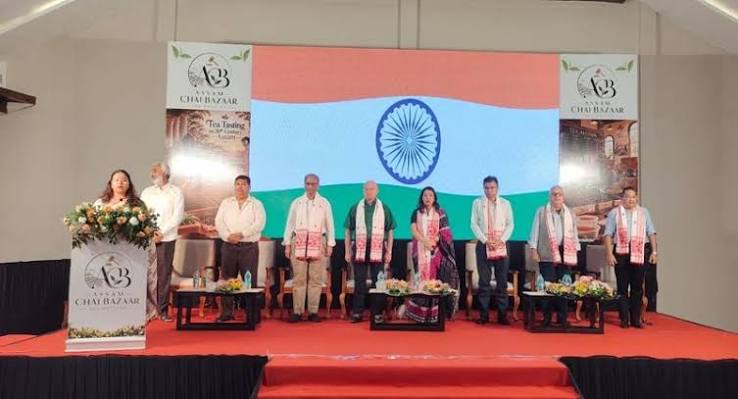
A second organized tea market for Assam
Dibrugarh has become Assam’s second tea auction center after Guwahati, adding a new organized marketplace for the state’s tea industry. Janta Se Rishta reported that the center opened on Friday and is intended to make trading more convenient for producers.
The opening gives growers and processors another venue through which tea can be offered to buyers and prices can be established through organized bidding. Until now, Guwahati was Assam’s only tea auction center. The addition of Dibrugarh therefore expands the state’s formal trading infrastructure rather than replacing the existing market.
Market access and price discovery
For producers, the main potential benefit is improved access to an organized sales channel. An additional auction venue can create another point at which sellers, buyers and intermediaries meet, compare lots and establish market prices. This is particularly relevant in Assam, identified in the supplied material as India’s leading tea-producing state.
The center’s practical influence will depend on participation. An auction needs enough tea, regular sellers and active buyers to generate representative prices. If substantial volumes are offered in Dibrugarh, producers may gain a clearer local reference for valuing their output. If activity remains limited, Guwahati is likely to retain its central role in Assam’s auction trade.
Implications for producers and traders
The new venue may be especially useful to businesses located closer to Dibrugarh than Guwahati. A nearby organized market could simplify commercial coordination and give producers an additional choice when deciding where to offer tea. The source material, however, provides no figures for capacity, expected auction volumes, participating companies or the number of producers served, so the scale of the immediate effect cannot yet be measured.
For traders and buyers, a second center creates another location for sourcing Assam tea and monitoring price formation. It may also produce a separate set of local trading signals, depending on the types and volumes of tea presented. The broader outcome will be determined by whether the center attracts repeat participation and establishes dependable auction activity. Its opening nevertheless marks an expansion of organized price discovery within Assam and gives the state’s tea producers a market option beyond Guwahati.