Deutsche Post operates 40,000 electric delivery vehicles in Germany
Deutsche Post has expanded its German electric delivery fleet to 40,000 vehicles, supported by 44,400 charging points. The scale shifts fleet electrification from a vehicle purchase program to an integrated operating model involving charging capacity, renewable electricity and long-term infrastructure planning.
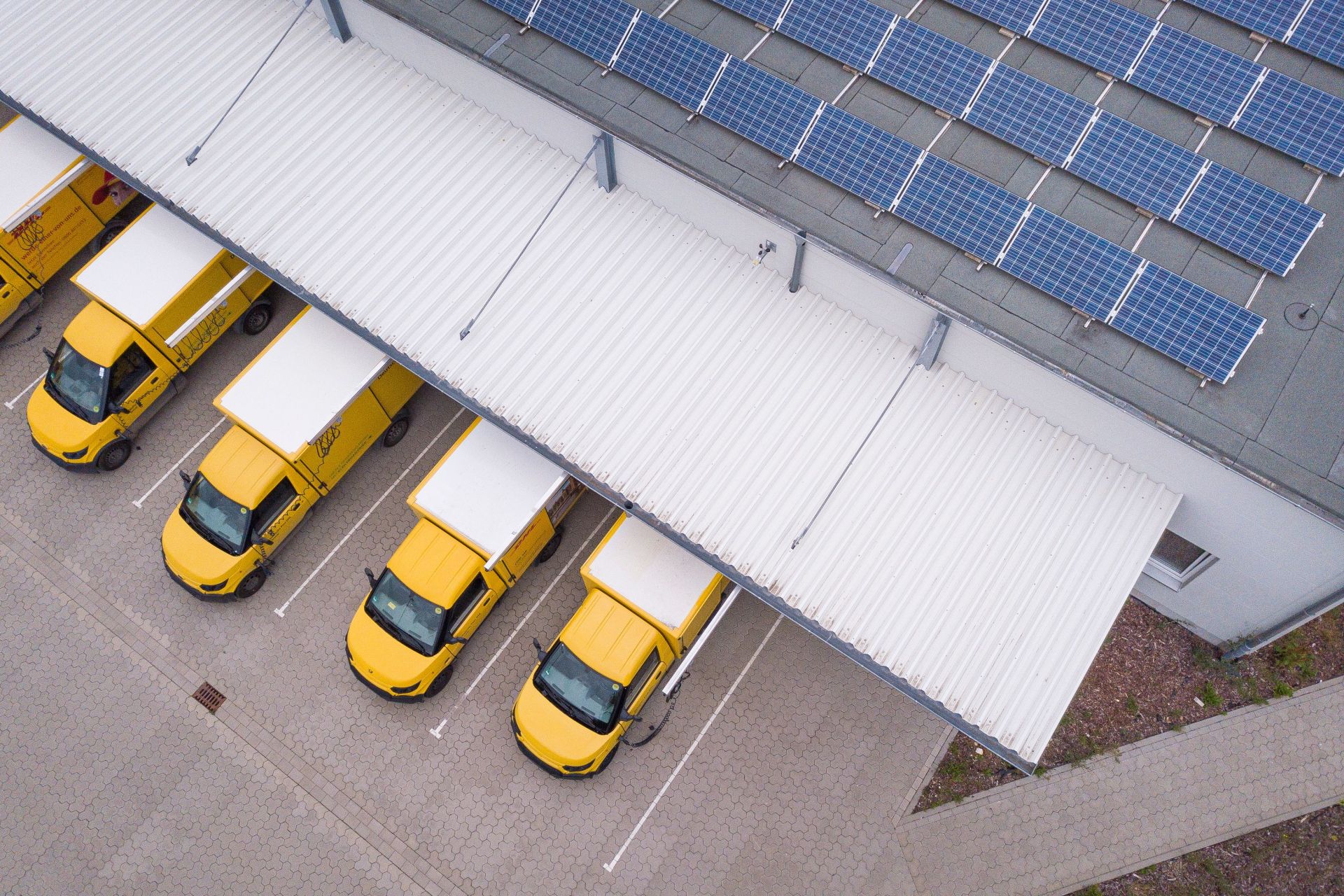
Electric delivery fleet reaches 40,000 vehicles
Deutsche Post now operates 40,000 electric vehicles in delivery operations in Germany, giving it what the company describes as the world’s largest electric fleet run by a postal operator in a single market. The figure was announced for the international Green Postal Day and marks another step in Deutsche Post and DHL’s effort to reduce emissions from German deliveries.
The vehicles are supported by 44,400 charging points, according to elektroauto-news.net. Deutsche Post says 95% of the electricity used for charging comes from renewable sources. The combination of vehicle numbers, charging capacity and electricity sourcing shows that the project has moved beyond limited trials: electric vehicles are now part of the company’s routine last-mile operations.
Infrastructure becomes central to fleet procurement
For commercial-fleet operators, the German rollout demonstrates that electrification requires procurement decisions extending well beyond vehicles. Depot charging, grid connections, energy contracts, vehicle scheduling and maintenance capacity must be expanded together. Deutsche Post has more charging points than electric delivery vehicles, indicating the importance of distributing charging access across operating locations rather than relying solely on maximum utilization of each charger.
The fleet also creates a substantial reference market for manufacturers of electric commercial vehicles, charging equipment and energy-management systems. Large operators can provide predictable demand, but suppliers must meet requirements for uptime, standardized charging and service coverage across a national network. Nikola Hagleitner, Deutsche Post’s board member for Post & Parcel Germany, said electrification forms part of the company’s long-term strategy and is supported by growing customer demand for sustainable logistics services.
Long-haul transport remains the harder segment
Electrification is less advanced in Deutsche Post’s heavier transport operations. The company currently uses 50 electric trucks and 570 trucks powered by bio-CNG for parcel and letter transport. Tobias Meyer, chief executive of DHL Group, said the sector’s next task is to advance decarbonization in long-haul transport and air freight. These segments face different operating constraints from urban delivery, including longer distances, heavier loads and greater dependence on external infrastructure.
Across postal operators participating in the International Post Corporation, annual total emissions have fallen by 41% from the 2008 reference year. The industry’s shared target is a 50% reduction by 2030, with renewable energy at postal facilities and the gradual adoption of alternative-powertrain delivery vehicles identified as major drivers.
Customers demand measurable emissions data
An IPC survey of 2,500 e-commerce merchants in 19 countries, including Germany, France, the United States and China, found that 70% viewed postal operators’ sustainability performance positively. The result suggests that lower-emission delivery is becoming a factor in carrier selection, particularly for merchants seeking to document the environmental impact of fulfillment.
Measurement is also moving to shipment level. Thirteen postal operators have introduced the IPC Carbon Footprint Calculator, which records emissions across the full transport chain for individual parcels. Data are already available for 95 million shipments. Expanding the system to additional postal companies could support a common method for comparing the carbon footprint of cross-border deliveries, while increasing pressure on operators to provide verifiable emissions information rather than broad fleet targets alone.