Denmark's Greensand seabed CO2 storage project enters regular operation
The Greensand project, which stores carbon dioxide beneath the Danish seabed, has moved into regular operation after several years of test injections, according to those responsible for it. Zeit Online reported that the project has not yet reached its target. Injected volumes, licensed capacity and storage prices were not disclosed.
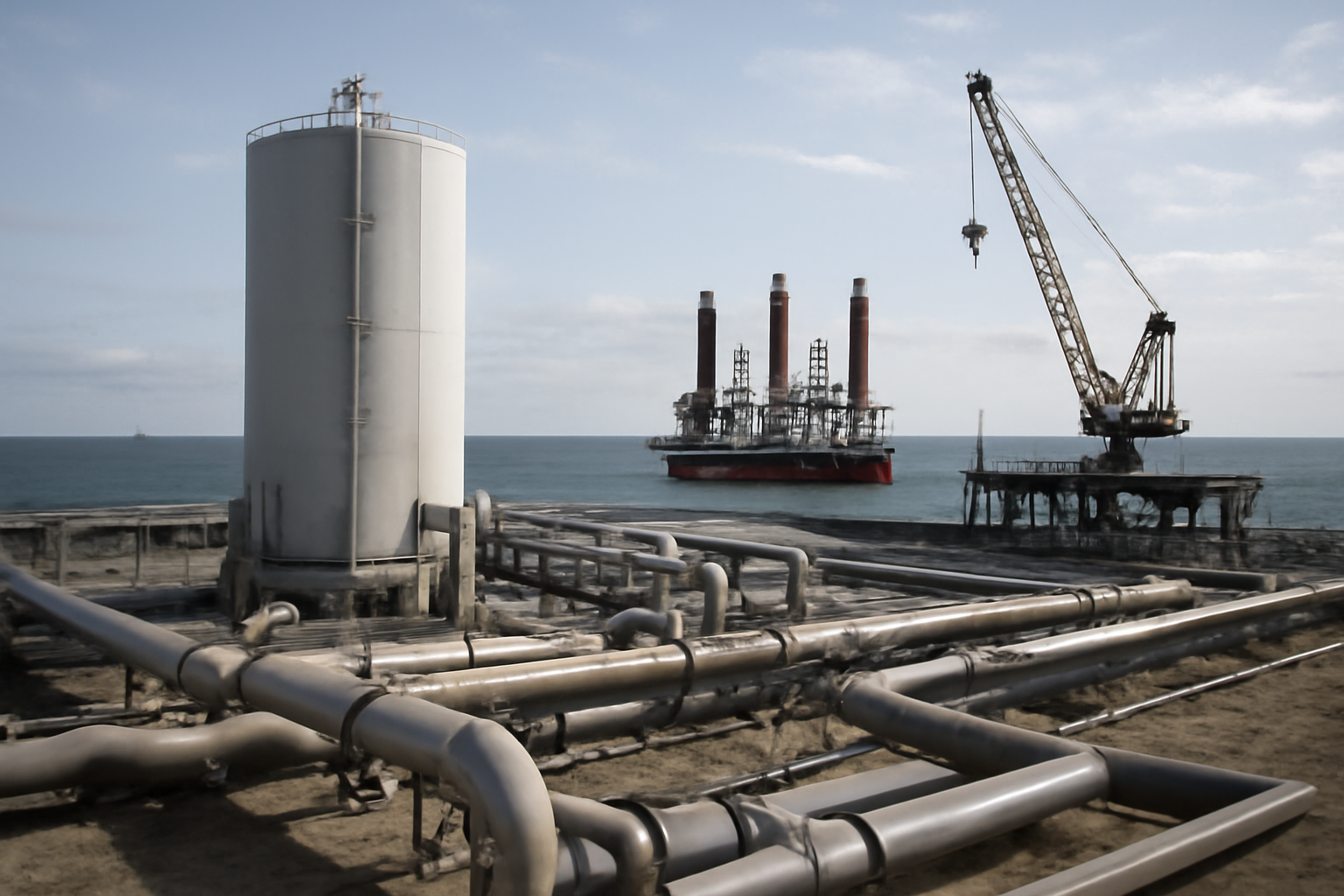
Denmark's Greensand project, which injects carbon dioxide into a storage site beneath the seabed, has moved into regular operation, according to those responsible for it. The step was reported by Zeit Online, which noted that the storage of CO2 in the Danish seabed had been under test for several years before the switch.
The same reporting made clear that the project has not yet reached its objective. Regular operation marks the point at which injection stops being a series of trials and becomes a routine industrial activity, but it is a stage in the project's build-out rather than its completion.
From test injections to standard operation
Offshore CO2 storage is normally commissioned in steps. An initial phase confirms that the geology accepts the injected volume and retains it, that wells and subsea equipment behave as modelled, and that monitoring can detect movement of the CO2 plume. Only after that does an operator move to continuous injection under its storage permit.
The distinction matters commercially. Test injections are financed as demonstration work, often with public support, and impose no obligation to accept third-party volumes on a schedule. Regular operation implies standing availability: the site must take delivery, inject and report on a continuing basis, which is the condition emitters need before they will sign multi-year contracts for storage capacity.
Denmark has pursued seabed storage on the back of its offshore infrastructure and subsurface data in the North Sea, where decades of oil and gas activity produced detailed geological records. European Union rules on permanent CO2 storage require an operator to demonstrate containment, monitor the site and retain responsibility for it after injection ends, obligations that run long after the last tonne goes underground.
Key parameters not disclosed
The reporting on the milestone does not quantify the operation. Industry participants assessing the Danish site will need figures that have not been made public in these accounts, including:
- the volume of CO2 injected to date and the current injection rate;
- the licensed storage capacity of the site and the schedule for reaching it;
- the price per tonne charged for storage and the structure of those contracts;
- the emitters supplying the CO2 and the transport route it takes to the injection point.
What it means for European carbon storage
Europe's carbon capture chain has long had more capture studies than confirmed storage. Capture units at cement works, lime kilns, waste-to-energy plants and refineries are financeable only if there is a permitted place to put the CO2 for the life of the asset, and that place has to be operating rather than planned. A North Sea site running on a standard basis narrows that gap for emitters in northern Europe.
The qualification supplied by the operators, that the target has not been met, is the part that determines the commercial outcome. Storage economics are driven by utilisation: wells, platforms, monitoring duties and liability provisions cost broadly the same whether the site runs full or part-loaded. Ramping injected volumes toward design capacity, and contracting the supply to do it, is the work that remains after the operational milestone.