Demand and exports support Brazil’s record soybean and maize outlook
Brazilian soybean production is projected at 181.7 million tonnes, while maize output is expected to reach 140.3 million tonnes. Strong demand and exports support the outlook, but El Niño, high costs and international market conditions remain significant risks.
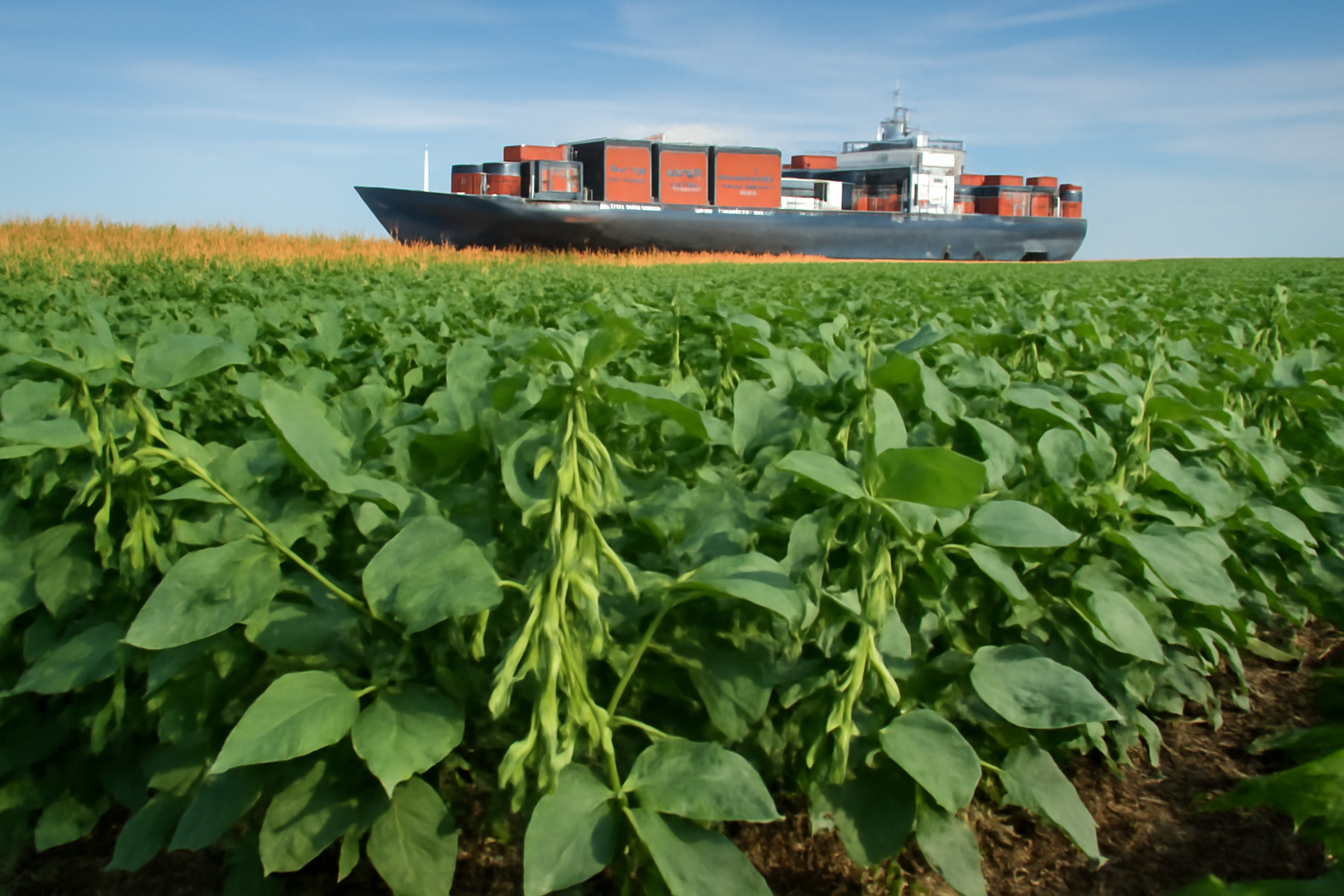
Brazil heads toward another large grain crop
Brazil’s soybean crop is projected at 181.7 million tonnes, while maize production is expected to reach 140.3 million tonnes, according to Jornal União. The forecasts point to another exceptionally large supply cycle for two crops that occupy a central position in the country’s agricultural economy. Demand and exports are supporting the outlook, although weather, production costs and the international market continue to create uncertainty.
The projected volumes would give producers, processors and traders substantial quantities to handle across the domestic supply chain. A crop of this scale requires effective coordination between farms, storage operators, transport providers, processors and export channels. The production forecast alone does not determine profitability: the timing of sales, logistics expenses and access to buyers will shape the commercial result for individual market participants.
Demand and exports provide the main support
Demand is a key pillar of the projections for both commodities. Strong purchasing interest can help absorb the expected supply and reduce the pressure that a large harvest might otherwise place on the domestic market. Export activity is equally important because it expands the pool of buyers available to Brazilian producers and trading companies.
For processors, the larger soybean and maize volumes can improve access to raw materials, provided crops reach facilities at competitive prices and without major logistical disruption. For exporters, the opportunity lies in moving high volumes while managing freight, storage and execution risks. Importers and overseas processors will watch Brazil’s crop development because the projected supply could influence procurement decisions and competition between origins.
El Niño and costs keep the market cautious
The positive production outlook remains exposed to El Niño. Weather variability can affect yields, crop quality and harvest timing, meaning projected output may change as the season develops. The risk is relevant not only to farmers but also to processors and traders that plan purchases, capacity use and deliveries around anticipated crop volumes.
High production costs create a second source of pressure. Large output does not automatically translate into strong margins if spending on cultivation, harvesting, transport or financing remains elevated. International market conditions add another variable by influencing demand, price formation and the competitiveness of Brazilian supply. The balance is therefore clear: projections of 181.7 million tonnes of soybeans and 140.3 million tonnes of maize provide a strong volume base, but final market performance will depend on weather, costs and the ability of domestic and export demand to absorb the crop efficiently.