Delayed US-India trade deal leaves Indian exporters facing tariff relief and fresh risks
Indian exporters expect improved US competitiveness if a 10% additional duty expires on July 24 and previous tariff rates return. However, possible action under Section 301 and a planned 100% tariff on generic medicines from 2028 leave the longer-term outlook uncertain.
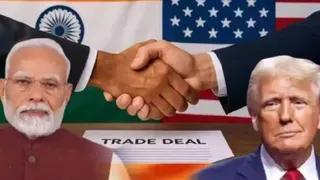
Exporters prepare for lower duties
Indian exporters expect their goods to become more competitive in the United States after a 10% additional duty currently applied to products from all countries reaches the end of its stated period on July 24. Jagran reports that shipments would then revert to the tariff rates in place before April 2 of last year, even though a broader US-India trade agreement remains unsigned.
The immediate effect would be clearest in sectors where the surcharge materially changed landed costs. R.K. Jalan, an exporter of leather goods and footwear to the United States, told Jagran that his products had previously faced an 8.5% duty. With the additional 10%, the current burden is 18.5%. His company is accepting orders based on the expectation that the earlier rate will apply again after July 24.
Trade agreement has no signing date
India’s Ministry of Commerce has said that documents for the bilateral trade agreement are ready, but no date has been set for signing. Jagran also cites foreign-media reports suggesting that an agreement could take another three to four months. The delay matters because the United States is India’s largest export market, making the final tariff terms important for manufacturers, traders and US buyers.
According to the report, an earlier understanding between the two countries involved an 18% US tariff on India. The ministry’s position is that India would be willing to conclude an agreement if it gave Indian suppliers an advantage over competitors in the US market. Until the final terms are known, exporters must price orders against several possible duty regimes rather than a settled bilateral framework.
Section 301 and pharmaceutical risks remain
The scheduled relief does not remove the possibility of new trade measures. The United States has been investigating India under Section 301 of its trade law over allegations involving forced labour and production beyond capacity. Jagran reports that action following the investigation could result in an additional 12.5% duty on India.
Ajay Sahai, CEO and director general of the Federation of Indian Export Organisations, said nobody knows what will happen after July 24 and described tariff policy as highly uncertain. He said Indian exports would benefit if goods were shipped at the rates applicable before April of last year. In his assessment, even a 12.5% US duty would not have a major effect on Indian exports.
Pharmaceutical exporters face a separate timetable. US President Donald Trump announced that generic medicines entering the country would be subject to a 100% tariff from 2028, according to Jagran. Until then, generic drugs would continue to enter without a duty. About 40% of India’s generic-drug exports go to the United States, so the delayed implementation avoids an immediate shock but gives manufacturers and buyers a defined future risk. For now, lower duties after July 24 could support Indian shipments, while negotiations, the Section 301 process and the 2028 pharmaceutical measure keep longer-term decisions unsettled.