Day-ahead electricity prices rise nearly 15% across European Russia
Day-ahead electricity prices for delivery on July 22, 2026, rose nearly 15% in European Russia and the Urals. Neftegaz.RU reported that electricity consumption in the same pricing zone increased by 0.44%.
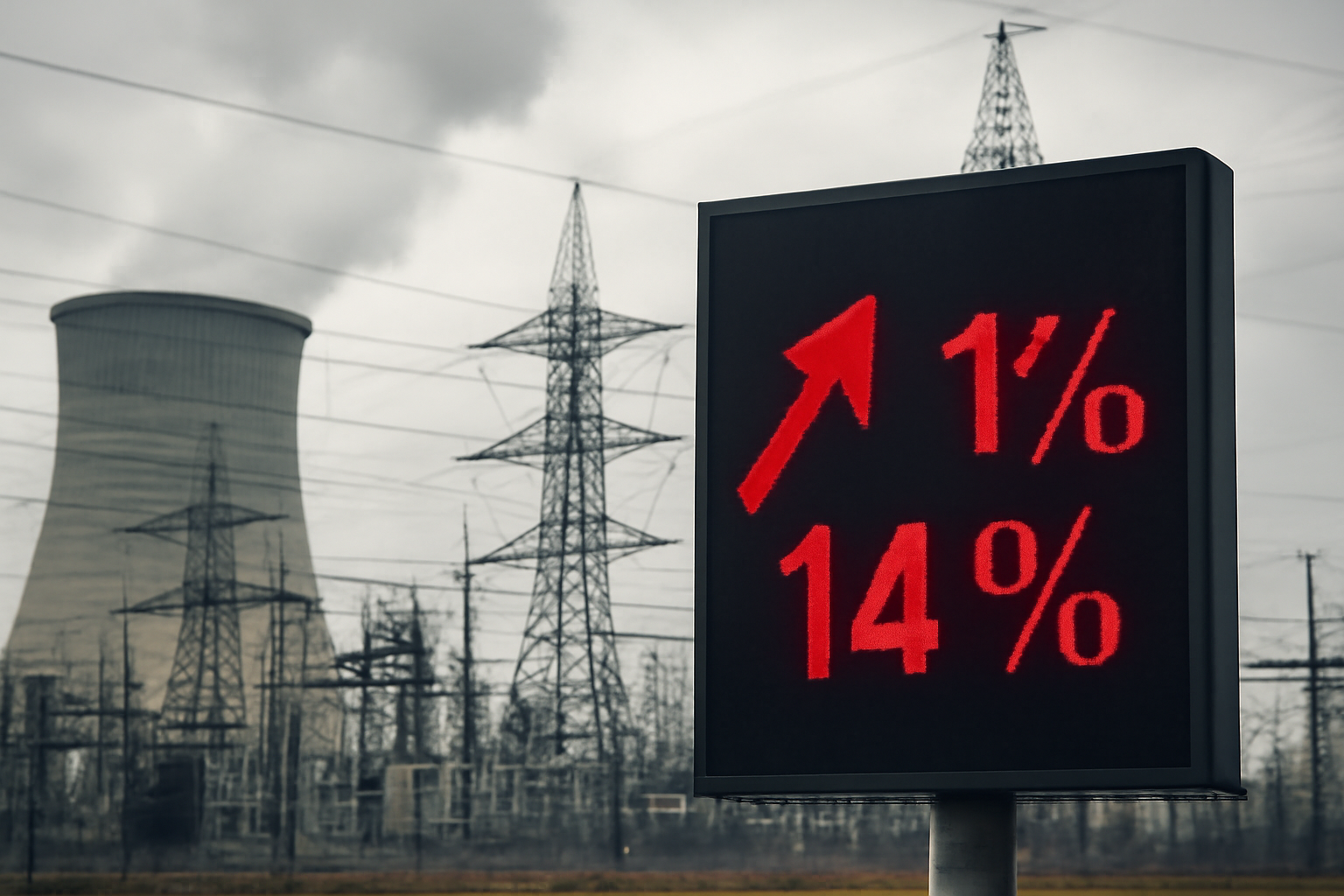
Day-ahead market records a sharp increase
Unregulated electricity prices in the day-ahead market rose by nearly 15% across European Russia and the Urals for delivery on July 22, 2026, according to Neftegaz.RU. The increase occurred alongside a much smaller change in physical demand: electricity consumption in the region was up by 0.44%.
The figures cover the European and Ural pricing zone, a large market that includes many of Russia’s principal industrial and population centers. The day-ahead segment establishes prices for electricity scheduled for delivery during each hour of the following day. Its movements therefore provide an immediate signal of the balance between expected consumption and the generation available to meet it.
The difference between the nearly 15% price increase and the 0.44% rise in consumption shows that wholesale prices did not move in direct proportion to overall demand. The information provided does not specify the absolute price level, generation mix, available capacity or other market conditions behind the change. It therefore does not establish whether the increase was caused by one factor or by several conditions acting at the same time.
Industrial consumers face a stronger price signal
The rise is relevant to energy-intensive industries operating in European Russia and the Urals. Producers whose electricity purchases are exposed to unregulated wholesale-market prices may face higher procurement costs for the delivery period. The actual effect on an individual company will depend on its consumption profile, contract structure and the portion of its power bill linked to the day-ahead market.
A one-day wholesale movement does not automatically translate into an equivalent increase in every final electricity bill. Retail charges and industrial power costs can contain other components, while some consumers use contracts or purchasing arrangements that reduce their immediate exposure to daily price changes. Even so, a jump of nearly 15% is a notable short-term cost signal for processors, manufacturers and other large electricity users.
For producers with continuous operations, the hourly pattern can matter as much as the daily average. Companies able to adjust production schedules may examine whether some electricity use can be shifted away from more expensive periods. Facilities that cannot reduce or reschedule demand have less flexibility and are more directly exposed when wholesale prices rise.
Market participants will watch whether the move persists
The commercial significance of the increase will depend on its duration. If the rise is limited to delivery on July 22, it may remain a short-lived wholesale-market event. If elevated prices continue across subsequent trading sessions, they could exert more sustained pressure on electricity procurement budgets and production margins.
Generators, electricity suppliers, industrial buyers and market analysts will consequently monitor upcoming day-ahead results together with consumption. The latest data establish two clear points: regional electricity use increased by 0.44%, while unregulated day-ahead prices climbed by almost 15%. Further market data would be needed to determine whether that unusually wide gap narrows, persists or expands.