Davao exports first frozen Saba banana shipment to Australia
The Department of Agriculture in the Davao Region said its Agribusiness and Marketing Assistance Division facilitated the first export shipment of frozen Saba bananas from Davao City to Australia. The Philippine News Agency reported the consignment as the product's first entry into the Australian market. Volume, value and the exporting company were not disclosed in the announcement.
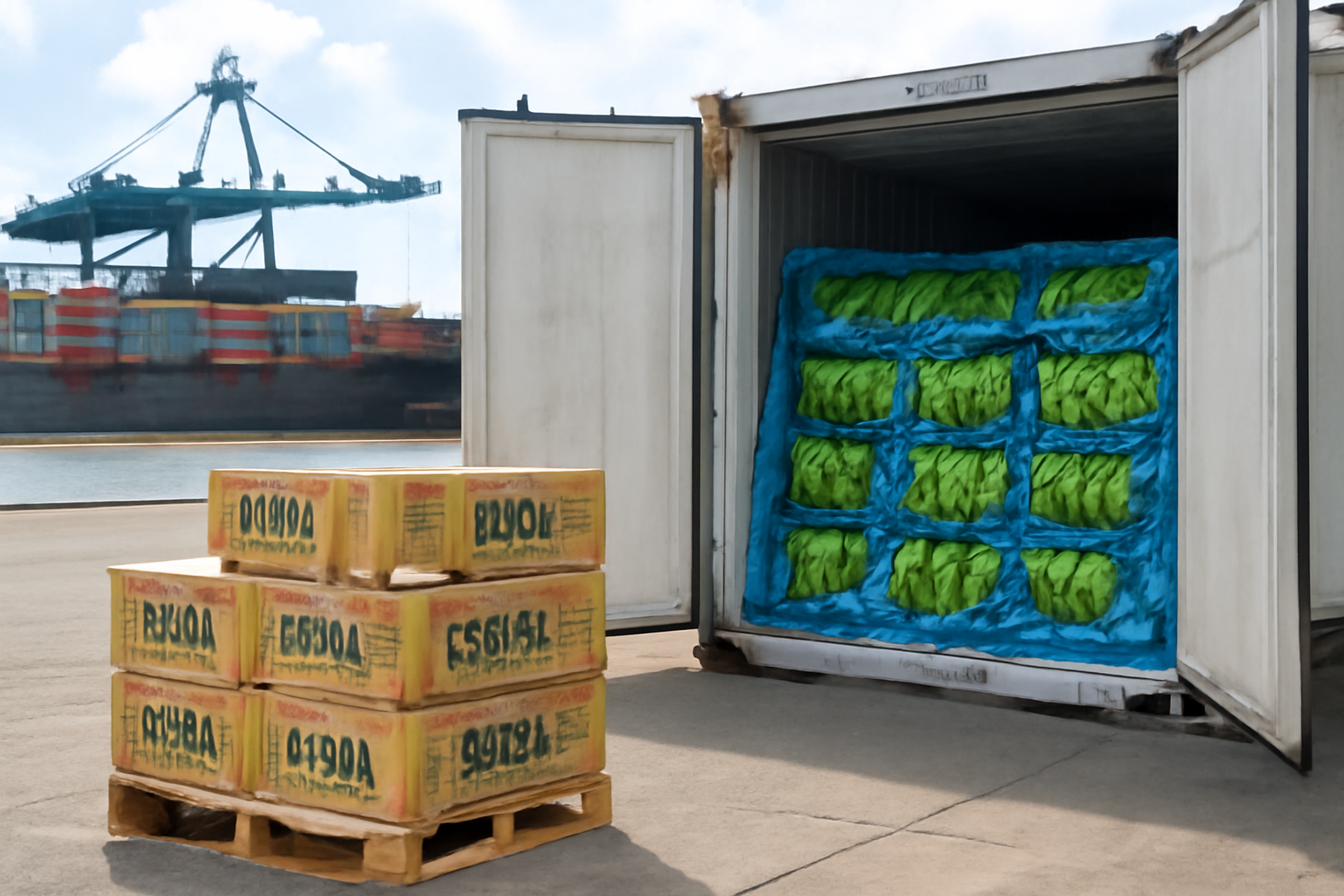
First frozen Saba shipment leaves Davao for Australia
The Department of Agriculture in the Davao Region (DA-11) said on Wednesday that its Agribusiness and Marketing Assistance Division (AMAD) facilitated the first export shipment of frozen Saba bananas from Davao City to Australia, the Philippine News Agency reported. The consignment is described as the first commercial movement of the product into the Australian market.
The announcement is a market-access event rather than a volume event. No shipment tonnage, contract value or buyer details accompanied the report, and the exporting company was not named. For Davao agribusiness the significance lies in the precedent: once a product has cleared an importing country's entry conditions, the same route becomes available to other qualified shippers in the region, and the cost of opening it has already been absorbed.
Saba is not Cavendish, and frozen is not fresh
Saba is a starchy cooking banana, consumed boiled, fried or processed rather than eaten raw. It sits in a different product category from the Cavendish dessert banana that dominates Philippine fresh fruit exports and that Davao growers ship to East Asian markets. Saba is the base material for banana chips, banana ketchup, flour and a range of frozen prepared foods, which means its export economics are driven by processing plants rather than by fresh fruit packhouses.
The frozen format matters commercially for three reasons:
- Biosecurity: frozen and processed fruit is handled under different import conditions than fresh fruit, which faces the tightest phytosanitary scrutiny in most destination markets.
- Logistics: freezing removes the ripening clock, allowing sea freight in reefer containers instead of costly air shipment.
- Channel: the likely buyers are food service operators, retail processors and the ethnic-foods segment, not the fresh produce aisle.
That combination lowers the barrier to entry for a tropical product in a distant, strictly regulated market. It also allows smaller consolidators and processors to participate without building and financing a fresh-fruit cold chain of their own.
Australia as a destination market
Australia maintains one of the more demanding biosecurity and import-compliance regimes among developed markets, and satisfying those requirements is normally the slowest and most expensive stage in opening any new fruit trade. A first cleared shipment therefore carries information value well beyond its size.
DA-11's account, as relayed by the Philippine News Agency, credits AMAD with facilitating the transaction. The division's mandate is to connect producers and processors with buyers and to guide them through documentation, certification and market-entry requirements — a public-sector role that matters most for small and medium-sized exporters that cannot fund market development on their own.
What to watch next
Three things will determine whether this becomes a trade line or remains a single container. First, repeat orders: a second and third shipment within the same season would indicate a commercial relationship rather than a trial. Second, the number of Davao processors able to meet the required specifications, since a single qualified supplier is a bottleneck rather than a supply base. Third, published volumes and prices, without which the trade cannot be sized or compared with the region's established fresh banana business.