Dangote Sugar Refinery Raises $368 Million as Nigeria Seeks More Domestic Cane
Dangote Sugar Refinery has raised $368 million through a capital increase in Nigeria. The financing comes after two decades of strong growth in national refining capacity without a corresponding expansion of domestic sugar cane production.
Refiner secures new equity capital
Dangote Sugar Refinery has raised $368 million through a capital increase in Nigeria, according to Agence Ecofin. The transaction gives the company additional financial resources as the country seeks to develop a sugar industry supported by more locally grown cane.
The available source material does not provide the terms of the capital increase, identify participating investors or specify a timetable for using the proceeds. It also does not divide the funding between refining capacity, plantations, agricultural infrastructure and other corporate needs. Those details will determine how directly the transaction affects Nigerian sugar production and the company’s operating capacity.
Refining has outpaced cane production
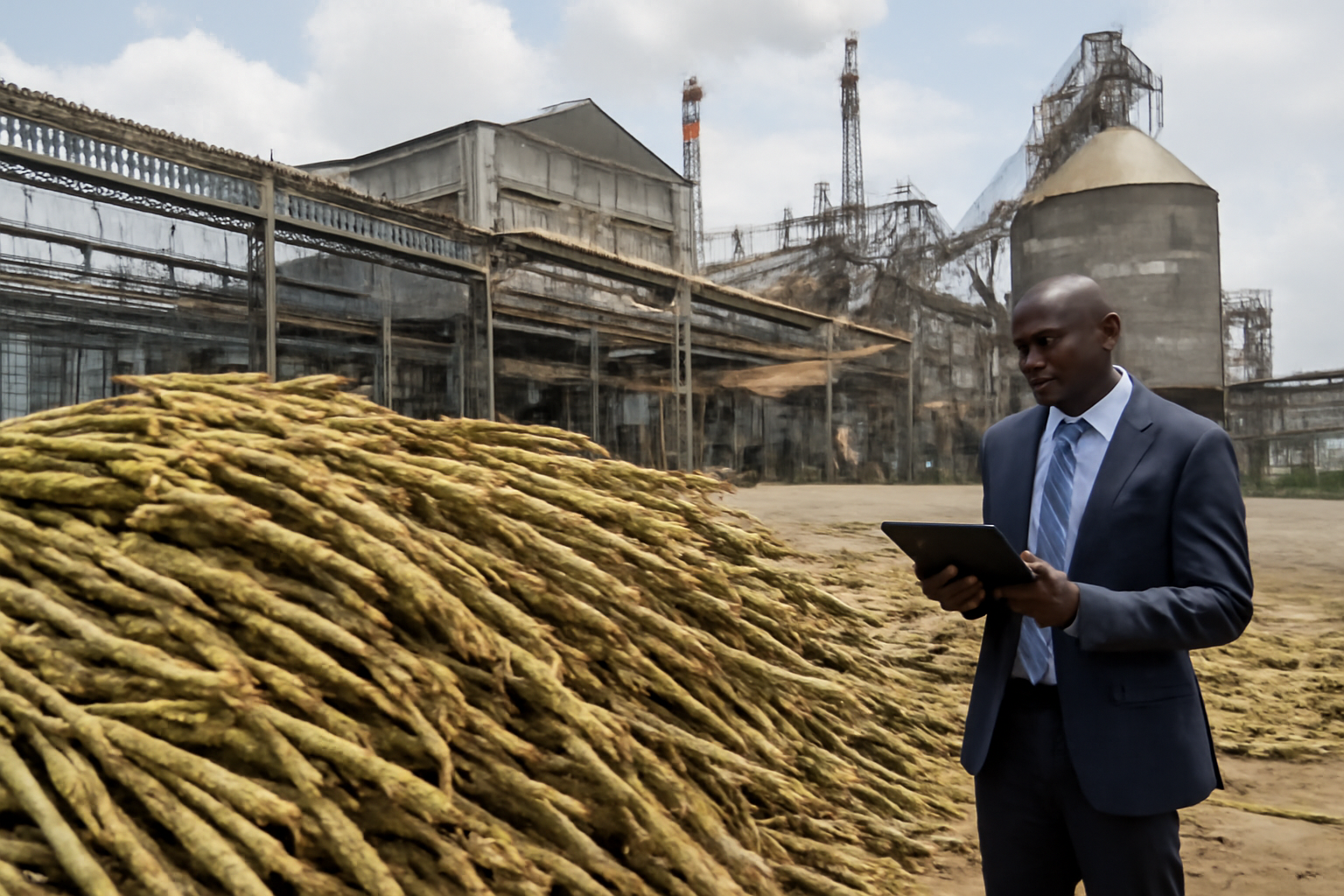
Agence Ecofin reports that Nigeria’s sugar-refining capacity has increased strongly over the past two decades, while local sugar cane production has not expanded at the same pace. This imbalance is central to the industry’s development: adding refining assets alone does not create a domestic source of raw material.
For an integrated producer, expanding cane supply requires more than investment inside a refinery. Agricultural production depends on suitable land, planting material, field operations and the infrastructure needed to move harvested cane quickly to processing facilities. The source does not state which of these areas Dangote Sugar will finance, but the allocation of the $368 million will indicate whether the company is primarily strengthening industrial operations or addressing the agricultural constraint.
Execution will determine the supply impact
If a meaningful share of the proceeds supports domestic cane production, the investment could increase the volume of Nigerian raw material available to refiners. That would strengthen the link between agricultural output and the processing capacity already built in the country. Producers and processors will therefore watch for evidence of plantation development, higher cane availability and improved use of refining assets.
If the funding is concentrated mainly on refining or general corporate purposes, the mismatch identified by Agence Ecofin may persist. Refining capacity can grow without producing an equivalent increase in domestic cane, leaving the industry’s underlying supply constraint unresolved. The capital increase is therefore significant in scale, but its effect on Nigeria’s sugar balance cannot be assessed from the amount alone.
Investors need a clearer spending plan
For investors, the main questions concern capital allocation, implementation schedules and the operating gains expected from the new funds. For cane growers and other agricultural partners, the relevant issue is whether the financing creates additional demand, production support or infrastructure around local cultivation. Sugar buyers will focus on whether the investment ultimately improves the reliability of domestic supply.
Dangote Sugar’s next disclosures will be important for distinguishing financial reinforcement from a broader supply-chain expansion. The company has secured $368 million, while Nigeria already has substantially more refining capacity than it did two decades ago. The commercial test is whether that capital can help narrow the gap between industrial processing and locally produced cane.