Authorities Overhaul Dairy Sector, Close 38 Plants and Ban Smuggled Cheese
The Ministry of Agriculture has closed 38 dairy plants and blocked white cheese smuggled from Syria. The steps open a plan to reorganize the domestic dairy sector and tighten oversight of powdered milk.
Authorities Overhaul Dairy Sector, Close 38 Plants
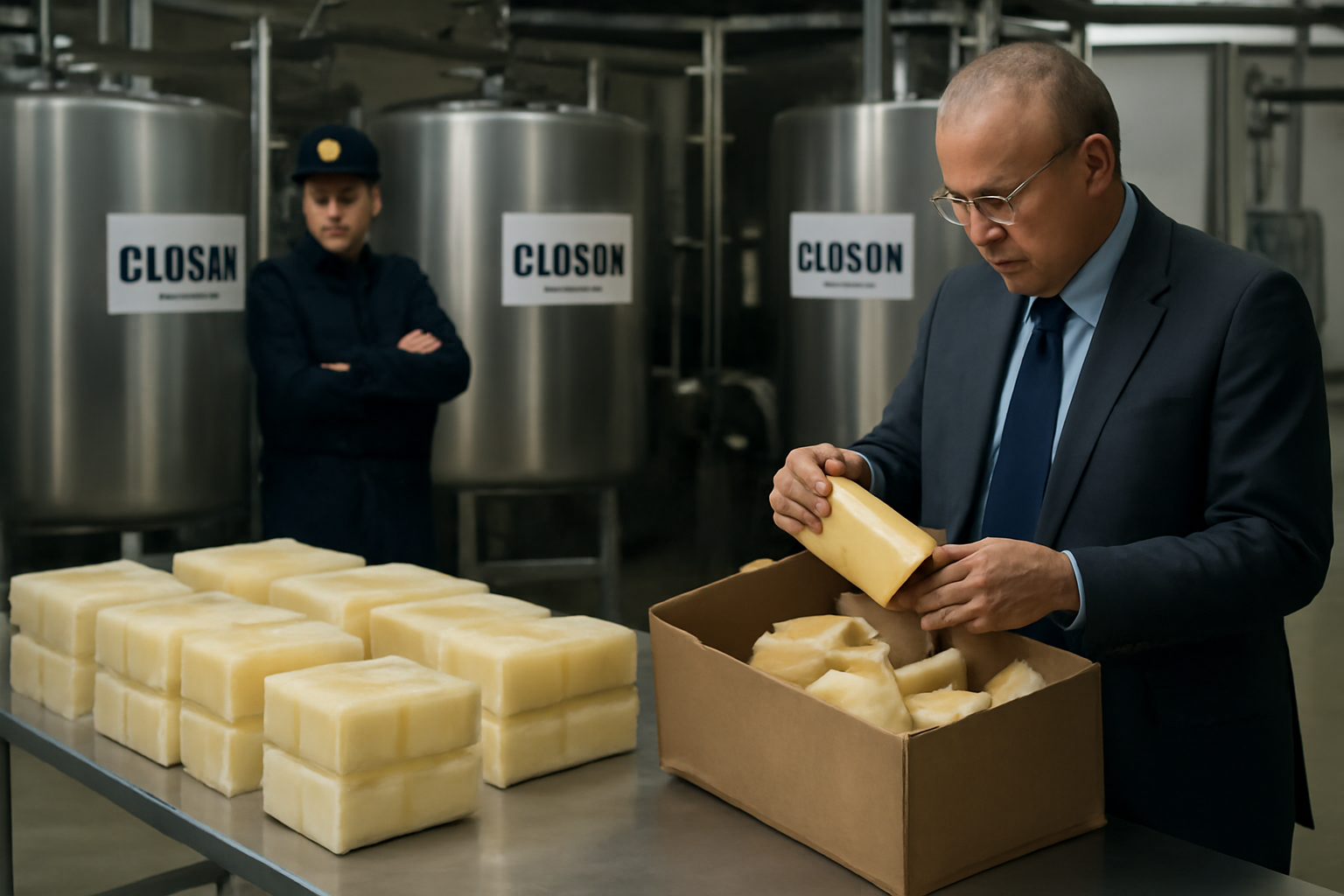
The Ministry of Agriculture has ordered the closure of 38 dairy plants and blocked white cheese smuggled from Syria, opening a plan to reorganize the domestic dairy sector and tighten oversight of powdered milk. According to the reporting, these are not isolated enforcement actions but the beginning of a coordinated effort to bring order to one of the most sensitive parts of the food industry.
The campaign combines three distinct measures:
- The closure of 38 dairy processing plants.
- A ban on white cheese smuggled from Syria.
- Stricter oversight of powdered, or dried, milk.
38 plants shut in enforcement drive
The closure of 38 processing plants is the most visible part of the campaign. Removing that many facilities at once withdraws a significant share of unregulated or non-compliant output from the market and shifts production toward licensed processors. For the supply chain, the immediate effect is fewer points of collection and processing for raw milk, which can tighten local availability of fresh dairy in the near term and redirect demand toward compliant producers and imported product. It also raises the barrier to entry for informal operators that had supplied part of local consumption outside official channels.
Smuggled cheese from Syria banned
Authorities have moved to stop white cheese entering the market through smuggling from Syria. Contraband cheese typically competes on price rather than quality, and its presence has weighed on the low end of the domestic market. Cutting off that flow removes a source of cheap, untaxed supply, supporting domestic cheesemakers and formal importers, but it also removes a low-cost option that had helped hold down retail prices. For cross-border trade, the ban signals tighter enforcement along the frontier and a narrower channel for informal dairy imports from Syria.
Powdered milk under tighter oversight
Dried, or powdered, milk has been placed under stricter supervision. Powdered milk is the most tradable and storable form of dairy and the cheapest way to close a gap between local production and consumption; it is widely reconstituted or used in food processing. Tighter oversight generally means closer scrutiny of import documentation, quality standards and how the product is used once inside the country. For importers, that can translate into additional paperwork, testing or slower clearance, even where the volumes ultimately moved are unchanged.
The start of a broader plan
Officials frame the closures, the cheese ban and the powdered-milk controls as the first stage of a wider reorganization of the dairy sector rather than a one-off crackdown. The common thread is a shift away from informal and smuggled supply toward formal, regulated channels. For market analysts, the key questions are how consistently the measures are enforced, how quickly formal producers and regulated imports absorb the displaced volume, and whether the loss of cheap informal supply feeds through to higher shelf prices for milk and cheese.