Dairy farmers raise bobby calves for beef as fast-food demand grows
Dairy farmers are retaining and raising bobby calves as beef animals as fast-food companies show greater interest in dairy-beef supply. The trend gives farmers another potential revenue stream while creating new requirements for calf management, finishing and procurement.
Dairy calves gain value as beef animals
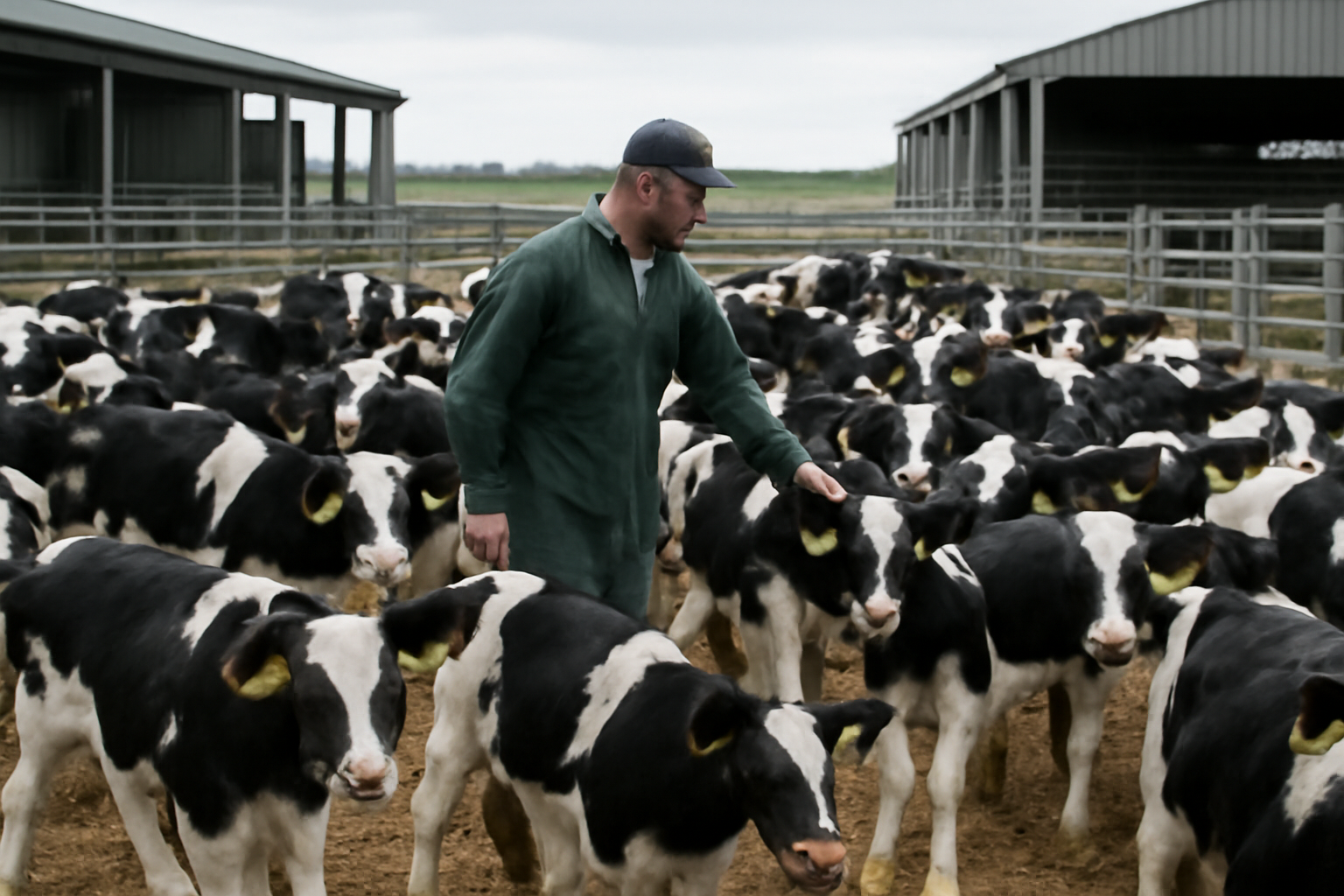
Dairy farmers are moving further into the beef market by raising bobby calves into animals suitable for beef production. The shift turns calves that previously had limited value to a dairy enterprise into potential revenue-generating assets. Interest from fast-food companies is helping support the development of this dairy-beef supply.
The trend links two parts of the livestock industry that have traditionally been managed around different commercial priorities. Dairy farms focus on milk production and herd replacement, while beef supply chains require animals that can be raised and finished to meet buyers’ specifications. Retaining bobby calves means dairy farmers must consider both objectives when deciding how calves will be managed.
For farmers, the commercial attraction is the possibility of extracting more value from each calf born into the dairy herd. That opportunity is not automatic. Raising calves for beef requires feed, housing, animal health management and time, while the eventual return depends on whether buyers value the finished animal sufficiently to cover those inputs.
Fast-food procurement supports dairy-beef demand
Fast-food companies have taken an interest in dairy beef, creating a potential outlet for animals originating in dairy herds. Their demand can encourage farmers and livestock buyers to establish supply arrangements that connect calf production with rearing, finishing and processing.
Dairy-beef animals may suit a market in which processors and restaurant buyers need a dependable flow of beef for standardized products. However, the headline trend does not identify individual companies, purchasing volumes, prices or delivery schedules. It therefore shows growing commercial interest rather than a defined expansion in contracted capacity.
For processors, the development may broaden the available livestock base. For fast-food buyers, it may create another channel through which beef can be sourced. Farmers, meanwhile, need clear purchasing standards because decisions made early in a calf’s life can affect whether the animal later meets processor requirements.
Economics will determine the scale
The expansion of dairy beef will depend on how the additional value is divided among dairy farmers, calf rearers, finishers and processors. Each participant carries different costs and risks. A stronger market for calves can benefit dairy producers, but rearing and finishing businesses still need a margin after feed, labour and animal-health expenses.
Consistency will also matter. Buyers seeking dairy beef need animals that meet their specifications, while producers need confidence that demand will remain available when cattle are ready for sale. Without clear signals on quality and purchasing conditions, farmers may be reluctant to commit resources over the full production cycle.
The trend nevertheless gives bobby calves a more defined commercial role. If fast-food demand translates into stable procurement, dairy farmers could gain an additional income source and beef processors could secure more cattle from dairy herds. The pace of adoption will be set by farm-level economics and the ability of the supply chain to coordinate production with buyer requirements.