Czech dairies export whey as domestic protein-processing capacity remains absent
Czech dairies generate about 2 million tonnes of whey a year, but the country lacks the technology to produce high-protein concentrates and isolates. Much of the material is dried, concentrated or exported for further processing in Germany, the Netherlands and France.
Whey output outpaces processing capability
Czech dairy plants generate large volumes of whey, yet the country has no domestic production of the high-protein concentrates increasingly used in sports nutrition and protein-enriched foods. Seznam Zprávy reports that the obstacle is not a shortage of raw material but the cost, energy requirements and scale of the specialized processing technology.
According to Jiří Kopáček, chairman of the Czech-Moravian Dairy Association, the Czech Republic produced 190,000 tonnes of cheese and curd last year, alongside about 2 million tonnes of whey. Of that whey, 35,000 tonnes was processed into powder through drying, the most common domestic treatment, while 56,000 tonnes was concentrated.
Whey was previously regarded largely as a waste stream from cheese and curd production. It is now a valuable input for food, cosmetics and agriculture. The liquid contains about 94% water, as well as lactose, minerals, a small amount of fat and less than 1% protein.
Exports feed specialized European plants
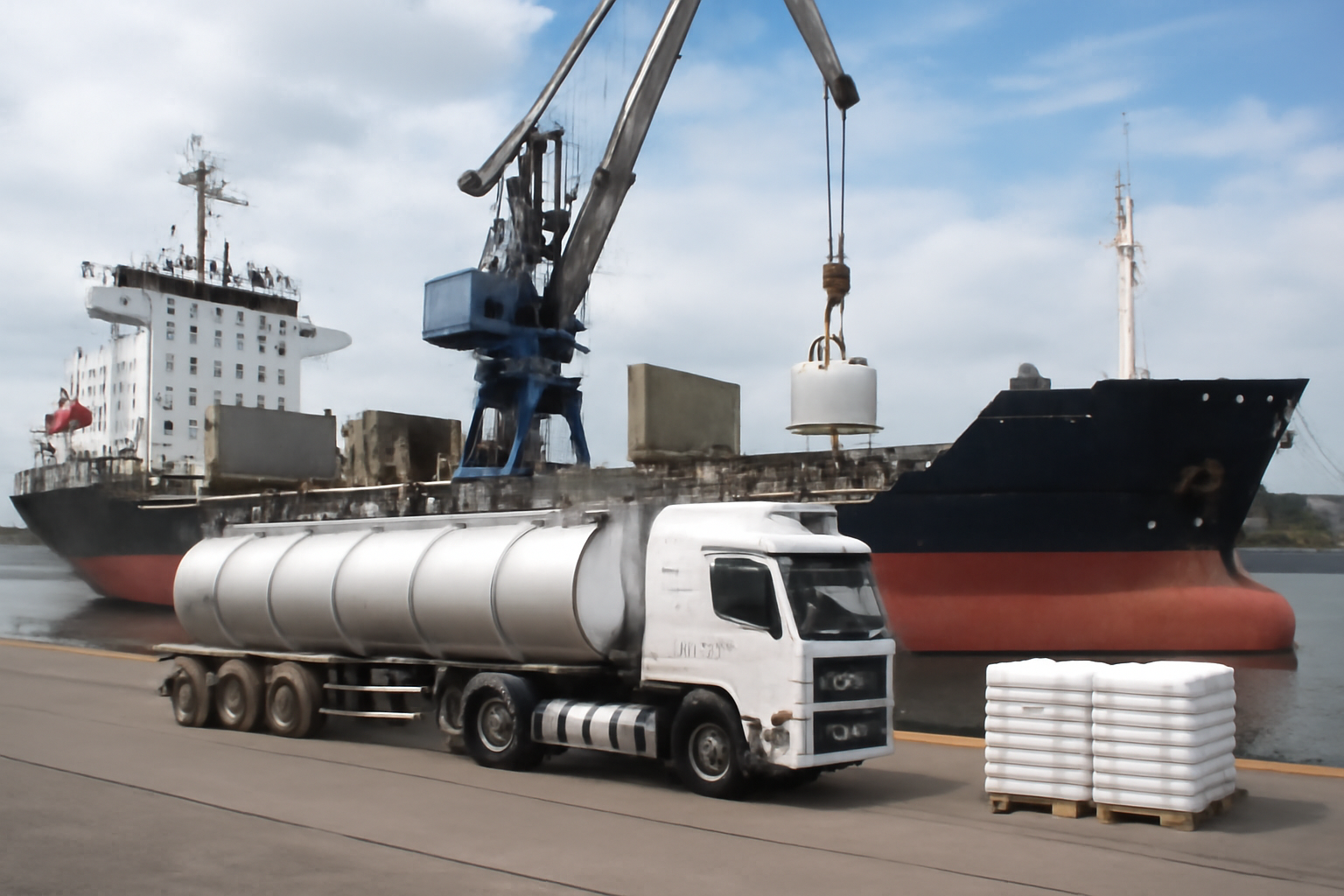
Czech producers often send whey concentrated to roughly 64% to Germany, the Netherlands or France, where specialized large-scale plants process it further. Some dried whey is also exported, while domestic users mainly employ the powder in baking and animal feed. About 500,000 tonnes of the whey produced last year was acid whey, which is primarily used in dried form as feed.
Madeta produces 600,000 to 650,000 litres of sweet whey a day across its operations, according to the director of its Planá nad Lužnicí plant. The company supplies both Czech and foreign processors, but currently lacks technology for whey protein concentrates. Mlékárna Klatovy, part of Lactalis Group and a major mozzarella producer, generates about 300,000 to 330,000 litres of liquid whey daily with roughly 6% dry matter. Director Marek Hofmann said the dairy sells all of it abroad and is not considering a concentrate line because its strategy remains focused on cheese.
The resulting trade pattern leaves Czech dairies supplying a lower-processed input while domestic sports-nutrition brands depend on imported concentrates. Mixit and Vilgain told Seznam Zprávy that they are not planning their own whey-concentrate production. Both pointed to the need for specialized technology and substantial investment.
High capital costs limit investment
Producing whey protein concentrate requires more than drying. The liquid must be separated, pasteurized, filtered through membrane systems, concentrated, spray-dried and packaged. Common whey protein concentrate contains about 80% protein, while whey protein isolate typically contains approximately 85% to 95%.
Iveta Klojdová, head of the Department of Dairy, Fat and Cosmetics at the University of Chemistry and Technology Prague, estimated that about 150 litres of milk are required to produce one kilogram of 80% concentrate, depending on composition and process efficiency. Kopáček described a Czech facility as an investment running into hundreds of millions of Czech koruna. He and Klojdová said domestic whey volumes are insufficient for several plants; Kopáček estimated that the market could support at most one specialized installation collecting sweet whey from major Czech cheese producers.
Demand adds pressure to the capacity constraint. Tomáš Novotný of Vilgain said the raw-material price doubled within several months this year, driven mainly by global demand. Food Chamber spokesman Marek Zemánek said whey protein was at its highest price on record and expected elevated Czech prices to persist unless global demand weakened. With European whey supply considered adequate, processing capacity—not liquid whey availability—remains the central bottleneck.