Czech Republic confirms three more intoxication cases linked to recalled infant formula
Czech public-health officials have confirmed three additional intoxication cases associated with recalled infant formula, bringing the national total to four. Seznam Zprávy reports that most confirmations were based on laboratory protocols.
Three additional cases confirmed
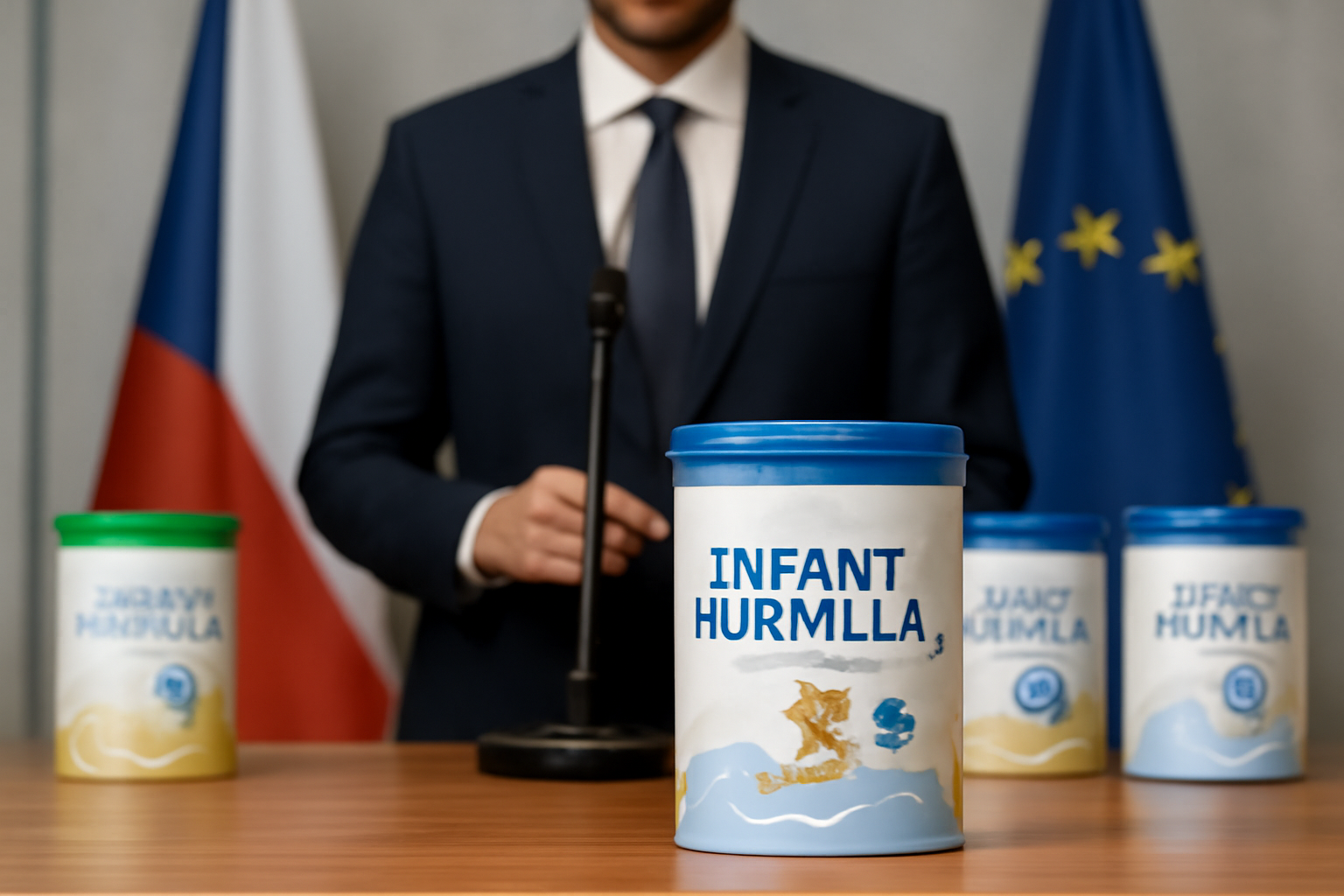
Czech public-health officials have confirmed three additional cases of intoxication associated with the consumption of recalled infant formula, according to Seznam Zprávy. The new findings bring the number of confirmed cases in the Czech Republic to four.
The report said most of the cases were confirmed on the basis of laboratory protocols. That distinction indicates that the official count is supported primarily by documented test findings rather than parental concern alone. The available source material does not identify the affected children, describe their condition or specify where in the country the cases occurred.
Recall raises national food-safety concerns
The confirmations connect illness to formula that was already being withdrawn from the market. However, the available report does not name the manufacturer, brand, product line, batch numbers or retailers involved. It also provides no figures for the amount of formula recalled or the number of packages that may have reached consumers.
Those missing details limit any assessment of the recall’s commercial scale. Producers, distributors, pharmacies and retailers require precise batch information to isolate affected inventory, while parents need an unambiguous way to determine whether products in their homes are covered. The report does not state whether all implicated packages have been removed from sale or whether the recall extends beyond the Czech Republic.
Laboratory evidence changes the risk assessment
The increase from one confirmed case to four is significant for monitoring the incident because it establishes that the initial report was not isolated. Seznam Zprávy framed the development as evidence that the concern was not merely panic among parents. At the same time, four confirmed cases do not by themselves reveal how widely the affected formula was distributed or the probability of illness among consumers.
No contaminant, cause of intoxication, exposure period or date of confirmation is identified in the supplied source text. It also does not state which Czech authority issued the recall, what symptoms prompted testing or whether additional suspected cases are under investigation. Without those facts, conclusions about the source of contamination, responsibility within the supply chain or the likely duration of the response would be premature.
Traceability will determine the market impact
For the infant-nutrition industry, the immediate operational issue is traceability. Once a case is linked to a recalled product, companies across the chain must be able to match laboratory findings with production records, batch identifiers and points of sale. The source does not report whether such a review has been completed or whether authorities have issued further instructions to businesses and consumers.
The national total remains four confirmed cases, including the three newly confirmed intoxications. Until the manufacturer, affected batches and cause are disclosed, the event should be treated as a defined Czech food-safety incident whose full scope remains unclear. Further official information will be needed to establish whether the recall is contained and whether additional products or markets are affected.
Full market analysis