Czech Gas Storage Nears 70% but Remains One-Fifth Below Last Year
Czech gas storage was almost 70% full at the start of September, clearing the EU’s interim threshold but remaining about one-fifth below its year-earlier level. Officials expect adequate winter supplies, although expensive wholesale gas and low European inventories leave the market exposed to colder weather and tighter LNG competition.
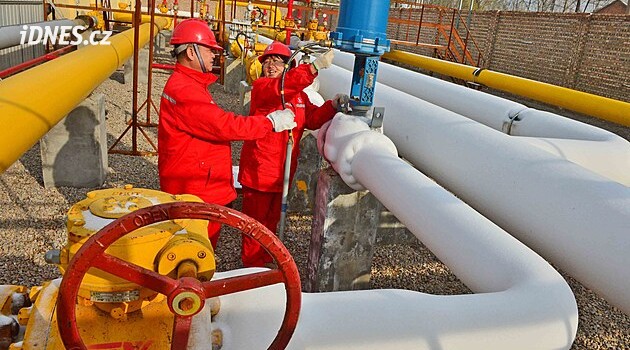
Czech Republic clears interim EU target
Gas storage facilities in the Czech Republic were almost 70% full at the beginning of September, according to information from the Ministry of Industry and Trade and the Energy Regulatory Office reported by Czech News Agency. That level exceeds the European Union’s indicative requirement of at least 60% by September 1, but Czech inventories remain roughly one-fifth lower than a year earlier.
Ministry spokesman Tadeáš Provazník said there was no information suggesting that the country would miss the main European target of 80% for the period from October 1 to December 1. Industry and Trade Minister Karel Havlíček and ministry officials are holding regular discussions with gas traders and storage operators, and no trader has reported supply problems.
The ministry expects gas deliveries to remain secure during the coming winter. Traders are combining stored volumes with long-term and forward contracts and ongoing market purchases. Czech storage is also slightly above the EU average, with European facilities at just under 65%, according to Energy Regulatory Office data.
High prices slow injections
Analysts cited by iDNES and Czech News Agency attributed the slower storage build to rising exchange-traded gas prices. The European wholesale price exceeded €75 per megawatt-hour on Wednesday morning, its highest level in more than three years. The market has reacted to renewed attacks involving the United States and Iran, disruption linked to the Israel-Iran war and weaker European inventories.
Bloomberg calculated that EU member states lacked more than 100 terawatt-hours of gas, worth over €7 billion, to reach even a 75% storage level. Italy had filled its facilities to about 83% with the help of state incentives, while Germany, which has Europe’s largest storage capacity, was only slightly above half full. The Netherlands and Belgium, both important trading hubs for neighboring markets, also reported comparatively low inventories.
Winter and LNG competition shape the risk
The European Commission said there were no immediate concerns about winter supply security. It noted that EU gas demand was 17% below its pre-crisis level and that Europe was better prepared than in 2021 and 2022 because of more diversified supplies, greater LNG import capacity and lower consumption. However, analysts at Goldman Sachs, Rystad Energy and Morningstar warned that weaker stocks could push winter gas prices above €100 per megawatt-hour.
Reduced LNG tanker traffic through the Strait of Hormuz has tightened supplies from the Persian Gulf, while gas prices have more than doubled from a year earlier, according to Bloomberg. Kpler LNG analyst Go Katayama said a colder winter could trigger a global contest for fuel. Higher European bids could also divert cargoes from lower-income buyers such as Pakistan and Bangladesh, repeating pressures seen during the 2022 energy crisis.
For Czech consumers, current wholesale gains are expected to feed gradually into household bills, particularly through new fixed-price contracts rather than an immediate market-wide increase. Ruben Marada, co-owner of Electree, said that if prices remain around €70 for an extended period, the scope for further retail reductions would disappear and new tariffs would progressively rise. Weather, geopolitical developments and the timing of suppliers’ purchases will therefore determine both storage costs and final customer prices.