Cyprus targets spring 2028 for first natural gas supplies to Europe
Cyprus expects gas from the offshore Cronos field to reach Europe from spring 2028 through infrastructure in Egypt. Eni and TotalEnergies plan a 105-kilometre pipeline to the Zohr field, followed by processing and liquefaction at Damietta.
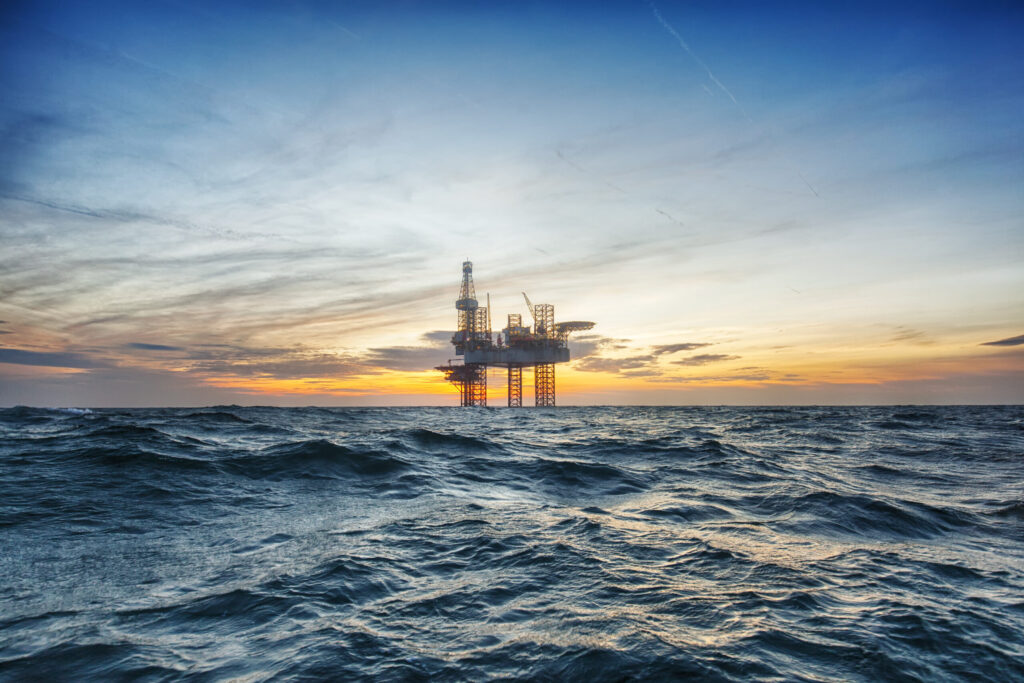
First supplies targeted for spring 2028
Cyprus could begin supplying natural gas to the European market from spring 2028, Energy Minister Michalis Damianou told the Associated Press, according to HuffPost Greece. The plan would give Europe another source of gas as the war in Ukraine and instability in the Middle East continue to influence regional energy security.
The prospective supply will come from Cronos, an offshore field south of Cyprus. Partners Eni of Italy and TotalEnergies of France made the final decision last month to proceed with its development, Damianou said. Cronos is one of six gas fields discovered so far within Cyprus’s exclusive economic zone.
The project would mark the first delivery of gas from eastern Mediterranean fields to European markets, according to the minister. Its commercial significance will depend on completion of the planned connection to Egypt and access to existing processing and liquefaction capacity.
Pipeline will connect Cronos with Egyptian infrastructure
Under the Eni-TotalEnergies schedule, construction of a pipeline between Cronos and infrastructure at Egypt’s Zohr gas field is due to begin later this year. The route will cover 105 kilometres, or 65 miles, and construction is expected to take up to 18 months.
Once the link is completed, the gas will travel through Egypt to the Damietta processing facility on the country’s northern coast. It will be liquefied there and loaded onto ships for delivery to Europe. The arrangement allows the developers to use established Egyptian infrastructure instead of building a separate liquefaction plant in Cyprus.
Cronos contains more than 3 trillion cubic feet of gas. The agreement provides for the full volume to be marketed in Europe, but a clause allows roughly one-fifth of the resource to cover part of Egypt’s domestic energy requirements. That provision could leave approximately four-fifths available for the European market, subject to production performance and project execution.
Cyprus also seeks investment in power interconnection
Damianou separately welcomed French investment company Meridiam’s participation as a financier of the Great Sea Interconnector. The planned electricity cable is intended to connect Cyprus with the European power grid and, eventually, extend to Israel.
Cyprus is currently isolated from the European electricity network. Damianou described the cable as important for Europe because it would end that isolation and create the basis for a later connection with Israel. Additional private investment is being sought to limit the financial burden on Cypriot consumers, while further European Union financing is also under consideration.
The gas and electricity projects follow different development paths but share a broader objective: connecting Cyprus more closely with regional and European energy systems. For gas producers and LNG traders, the immediate milestones are the start of pipeline construction, completion within the planned 18-month period and the readiness of the Egyptian route to support shipments from spring 2028.