Cuba removes rice price ceiling and shifts pricing authority to Finance Ministry
Cuba has revoked the 155 CUP-per-pound retail ceiling on rice and authorized the Ministry of Finance and Prices to set future prices by resolution. No replacement price has been published, while market quotations remain well above the former official cap.
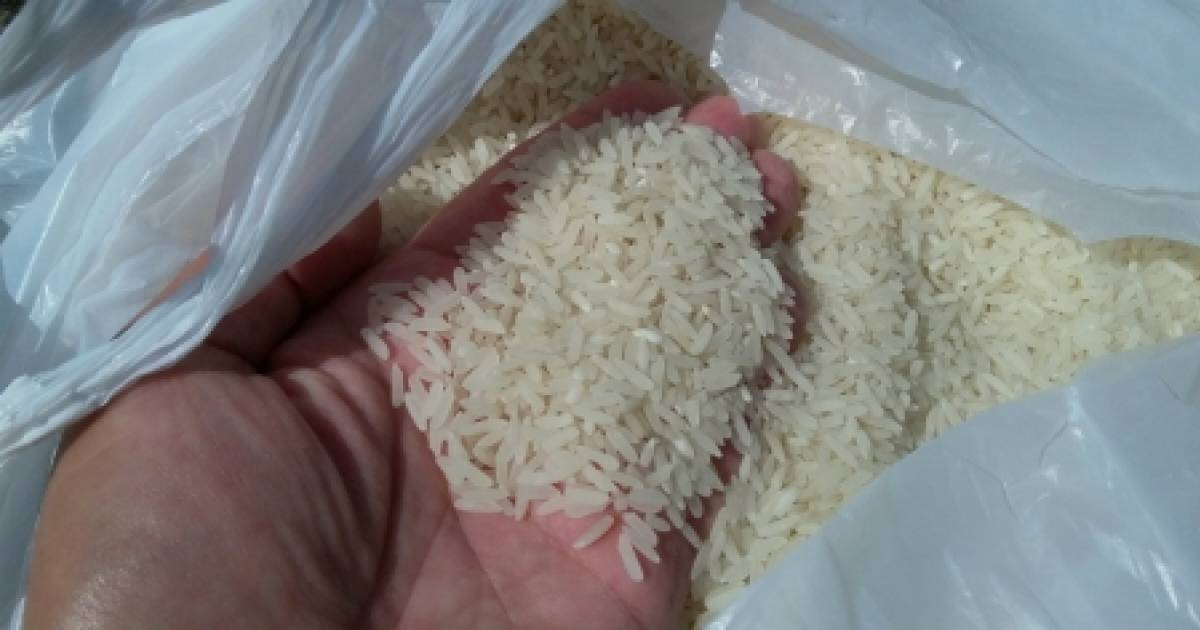
Cuba revokes the 155 CUP ceiling
Cuba’s Council of Ministers has removed the maximum retail price for rice that had been in force since March 2025, changing how the government administers prices for one of the country’s main food staples. Decree 156 was published in the Official Gazette on Thursday, July 16, 2026, according to CiberCuba.
The decree, signed by Prime Minister Manuel Marrero Cruz on June 29, revoked the ceiling of 155 Cuban pesos per pound established by Agreement 10093 on March 5, 2025. It does not end state price control. Instead, it authorizes the minister of Finance and Prices, or a delegated official, to establish rice prices through ministerial resolutions without requiring another meeting of the Council of Ministers.
No resolution setting a new official rice price had been published at the time of CiberCuba’s report. The immediate consequence is therefore an administrative transfer of pricing power rather than full price liberalization. The new arrangement allows the ministry led by Vladimir Regueiro Ale to adjust official prices more quickly.
Market prices already exceed the former cap
The revoked ceiling had little connection with prices paid outside regulated channels. CiberCuba reported that a 25-kilogram sack of rice reached 31,800 CUP on the informal market around July 9. The publication calculated that at approximately 1,272 CUP per pound, more than eight times the former official ceiling.
At fairs and unregulated markets, rice traded at between 250 and 400 CUP per pound during June and July 2026, according to research data cited by CiberCuba. Even the bottom of that range was substantially above the state ceiling. The gap indicates that the regulated price was not serving as an effective benchmark in markets where households could actually obtain supplies.
Affordability remains a central issue. With the average state salary at 7,000 CUP a month, one pound of rice bought for 250-400 CUP absorbs approximately 3.5%-5.7% of a worker’s monthly income. At the reported informal-market equivalent of 1,272 CUP per pound, the burden would be considerably greater.
Currency weakness adds pressure
The policy change comes as depreciation of the Cuban peso raises the local cost of goods and inputs. CiberCuba said the currency weakened from 435 CUP per US dollar in December 2025 to between 655 and 670 CUP per dollar in July 2026. Energy shortages are adding further pressure on household budgets: charcoal in Sancti Spíritus sold for as much as 4,000 CUP in June as some residents turned to wood or charcoal for cooking.
Rice was part of a broader price-control program introduced in March 2025. Agreement 10093 set its ceiling at 155 CUP per pound and capped beans at between 196 and 285 CUP. The government made another attempt to limit prices for basic goods in September 2025, but regulated ceilings continued to coexist with shortages and substantially higher informal quotations.
Gas decision offers a precedent
The same Official Gazette applied a similar mechanism to liquefied gas. Earlier agreements setting gas prices were revoked and replaced immediately with ministerial resolutions. Resolution 155/2026, signed on July 1, raised the price of a cylinder by 55%, from 225 to 350 CUP.
That precedent suggests the removal of the rice ceiling may be followed by a higher administered price rather than an unrestricted market price. The level and timing remain unknown. For households, retailers and food suppliers, the central question is whether the eventual official quotation will narrow the gap with unregulated markets without making the staple still less affordable.