Croatian tea blend ordered destroyed after toxin levels hit ten times the EU limit
A tea blend of Croatian origin has been ordered destroyed after a market sample showed almost 2,000 micrograms of pyrrolizidine alkaloids per kilogram against a permitted 200. The notification in the EU rapid alert system classified the health risk as serious. The product, producer and batch have not been published.
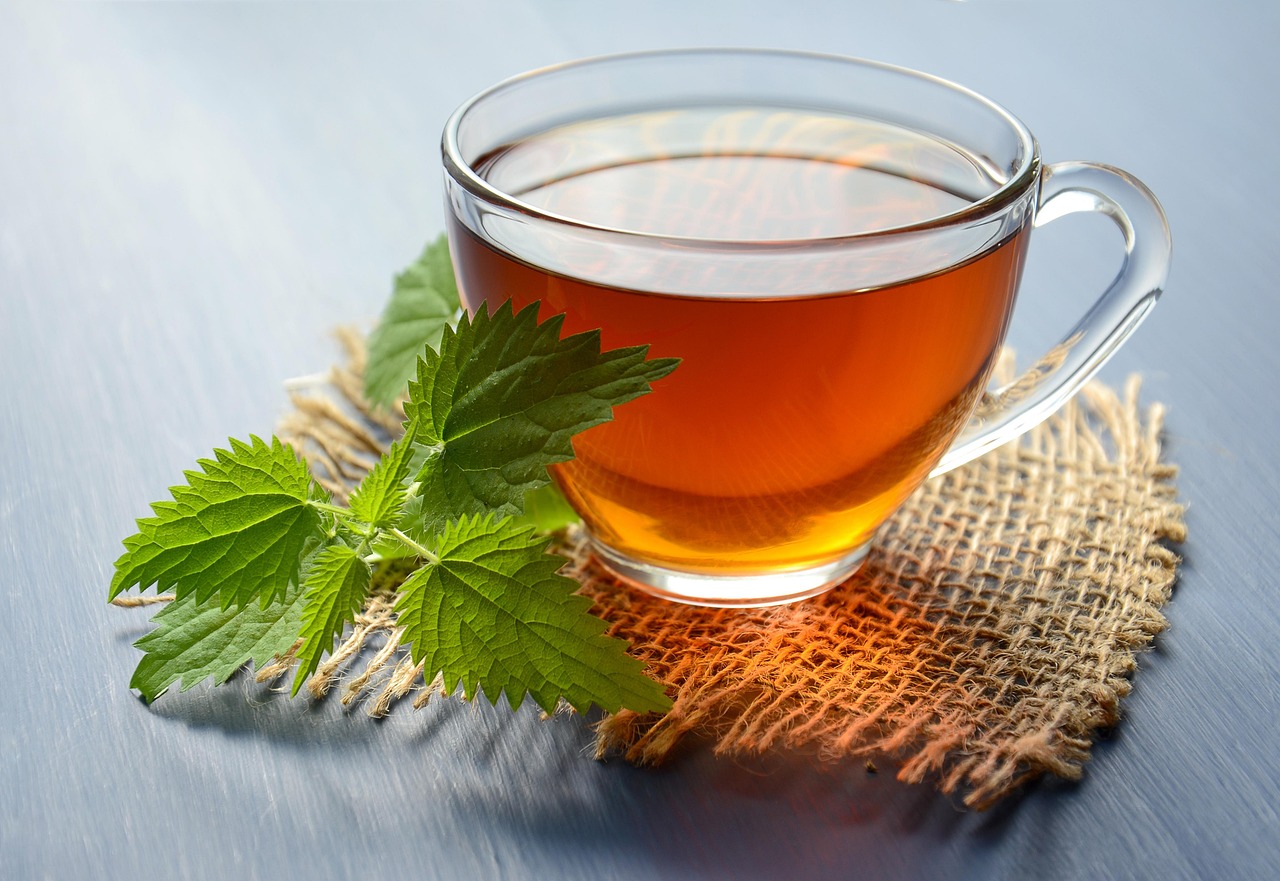
A tea blend of Croatian origin has been ordered destroyed after laboratory analysis of a market sample found almost 2,000 micrograms of pyrrolizidine alkaloids per kilogram, roughly ten times the permitted level, according to a notification in the European Union rapid alert system for food and feed reported by the Croatian portal Zagorje International, citing Danica.
Tenfold breach triggers a destruction order
The permitted value is 200 micrograms per kilogram. The measured concentration of close to 2,000 micrograms per kilogram places the sample at about ten times that ceiling. Because the health risk was assessed as serious, the measure applied was destruction of the product rather than a simple withdrawal from sale. Slobodna Dalmacija reported the same case, describing a finding ten times above the permitted amount and an order to destroy the goods.
Destruction is the outcome that removes a consignment from the supply chain entirely. Unlike withdrawal or recall, it leaves no route for reworking the material, blending it down or redirecting it to another market, and the full commercial value of the affected lot is lost.
No product, producer or batch identified
The available notification does not state which product is involved. It refers only to a tea blend originating in Croatia, with no details on the manufacturer, product name, packaging or lot number, Zagorje International reported. The outlet noted that such information matters to consumers, who otherwise cannot check whether they have the product at home and avoid drinking it. For distributors and retailers the gap has the same effect: without a brand or batch reference, targeted checks of existing stock are not possible.
Why herbal blends are the exposure point
Pyrrolizidine alkaloids are natural toxins produced by some plants as a defence mechanism against pests. They can enter food during the production and processing of plant products. Teas and herbal preparations attract particular attention because the compounds can appear as a result of the presence of plants that naturally contain them. The Croatian food agency has previously stated that pyrrolizidine alkaloids are most commonly found precisely in teas and herbal products.
- High doses can cause serious liver damage.
- Greater or prolonged exposure is linked to harmful effects on the liver, lungs and blood vessels.
- Animal studies have shown carcinogenic potential for certain pyrrolizidine alkaloids, which is why the aim is to keep levels in food as low as possible.
Risk framing and the commercial consequences
Agency assessments cited in the reporting hold that the possibility of acute poisoning from ordinary tea consumption is negligible, as is the risk of adverse health effects for average tea drinkers in Croatia. Higher risk applies to people who frequently consume products with a high pyrrolizidine alkaloid content, particularly over long periods. In this specific case the measured concentration was several times above the prescribed limit, which is why the destruction measure was taken.
For the herbal tea trade the case points upstream rather than to the packing line. Contamination of this type is determined by the plant material entering the process, since the compounds arrive with species that naturally contain them. Blends carry the sharpest exposure because a single contaminated ingredient lifts the result for the entire mixture. With the alert identifying an origin rather than a brand, the reputational weight falls on the Croatian herbal tea category as a whole, and buyers in other European Union markets have a clear reason to demand alkaloid test certificates on subsequent contracts.