Croatian retailers slash pork prices as farmers cut production
Croatian pork shoulder has fallen to €2.29 per kilogram as European oversupply and retail competition pressure domestic producers. Farmers report losses of about €50 per fattened pig, while Croatia’s pork self-sufficiency stands at roughly 50%.
Retail pork falls below fruit prices
Croatian retailers have been cutting pork prices for several weeks, placing additional pressure on farmers already facing weak purchasing prices and animal-disease restrictions. Novi List and Glas Slavonije report that pork shoulder is available at one domestic chain for €2.29 per kilogram. Another is selling pork loin for €2.35 per kilogram and neck for €3.05. Black grapes, by comparison, cost €2.79 per kilogram at one chain, while locally grown peaches have reached €4 at markets.
The promotions follow a broader decline in wholesale values. According to Croatiastočar director Branko Bobetić, the current European purchasing price for pig carcasses is €1.56 per kilogram, compared with €1.40 in Croatia. Croatia’s price was 11% below the European level in June. Farmer Mirko Kolić said the exchange value of €1.40 per kilogram for a carcass translates into €1.12 per kilogram of live weight, while producers in Croatia’s third zone receive €0.92.
European surplus reaches the Croatian market
The reports estimate that Europe currently has a pork surplus of 15% to 20% after reduced access to China disrupted a major export outlet. China is buying more pork from Brazil amid its trade dispute with Europe over automobile tariffs. Spain, which had built a strong position in the Chinese market, has consequently lowered prices. Croatia is also receiving meat from France, Germany, Belgium and Portugal.
Croatia is only about 50% self-sufficient in pork, leaving its market exposed to surplus European supply. Croatiastočar data cited by both publications show that imports of all meat types increased by 18% in 2025 compared with 2021. Exports also rose by 18%, but from much smaller volumes. Total meat consumption grew by more than 10%, while consumption of domestically produced pork declined by 5%. Compared with 2012, imports of all meat types were 237% higher in 2025.
Farm losses trigger production cuts
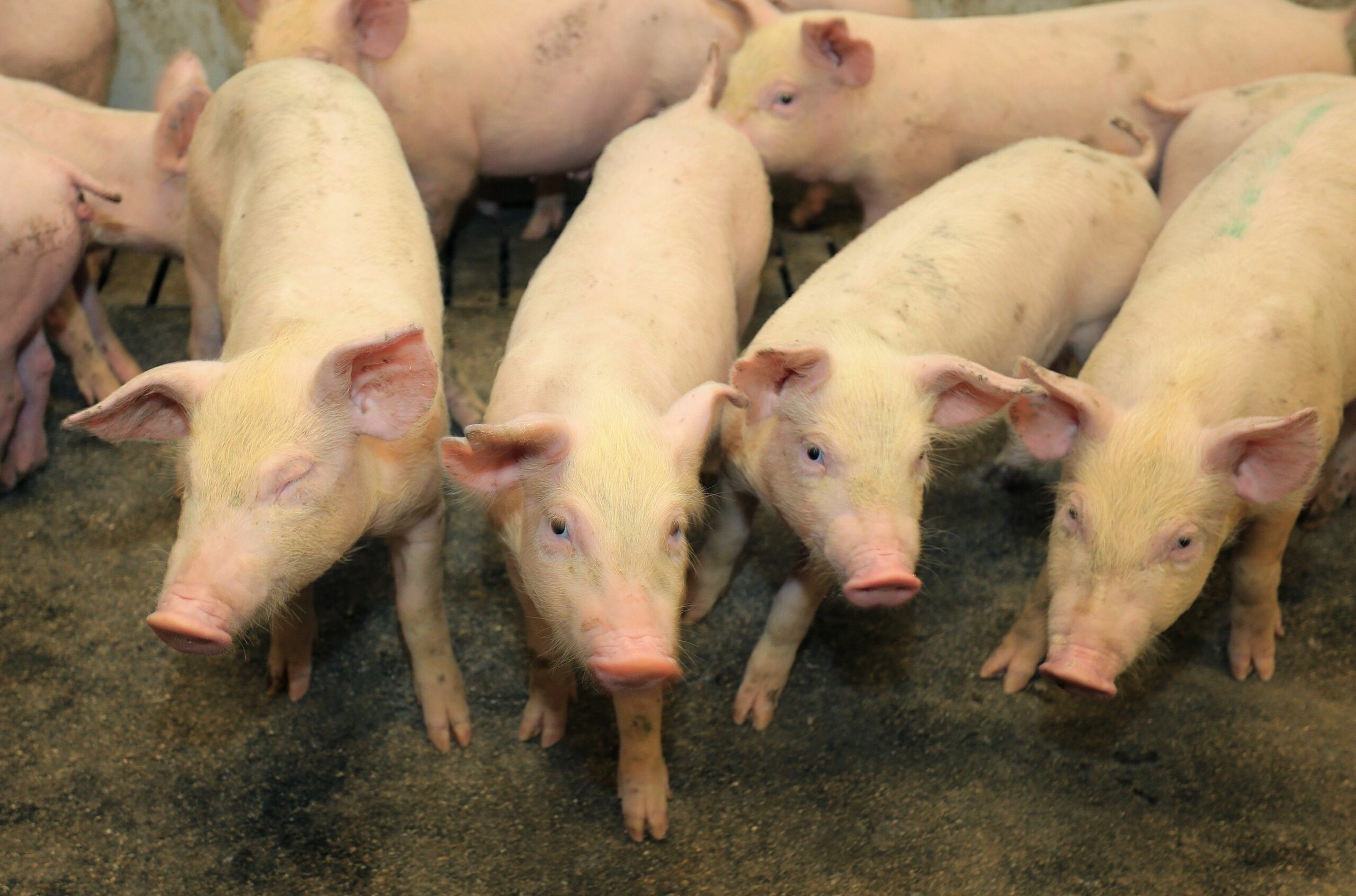
Kolić said Croatian pig farmers have been losing money for a year and a half, with losses of about €50 per fattened pig. He has already reduced his own production by roughly one-third and may cut it further by the end of the year if conditions do not improve. Producers are simultaneously dealing with a new wave of African swine fever and restrictions intended to contain the disease.
The government has proposed €7 million in support for the pig sector, equivalent to around €20 per fattened pig, although the measure is awaiting European approval. The Agriculture Ministry also plans to change the scoring rules for intervention 73.11. Processors using at least 50% domestic meat, milk, grain and other agricultural raw materials would receive priority for support. The Croatian Chamber of Agriculture said the change would prevent development funds from favoring businesses that rely entirely on imported inputs. The measures come against a widening agricultural trade deficit: Croatia imported about €7 billion of agricultural and food products in 2025, including just under €2 billion of live animals and animal products. Its total trade deficit was around €3 billion, with livestock and related industries accounting for more than 40%.