Croatian olive oil imports exceed domestic production for the first time
Croatia imported almost 60,000 hectolitres of olive oil after domestic output fell 27% to less than 46,000 hectolitres. Drought, prolonged heat and the fragmented structure of local farms are increasing pressure on producers.
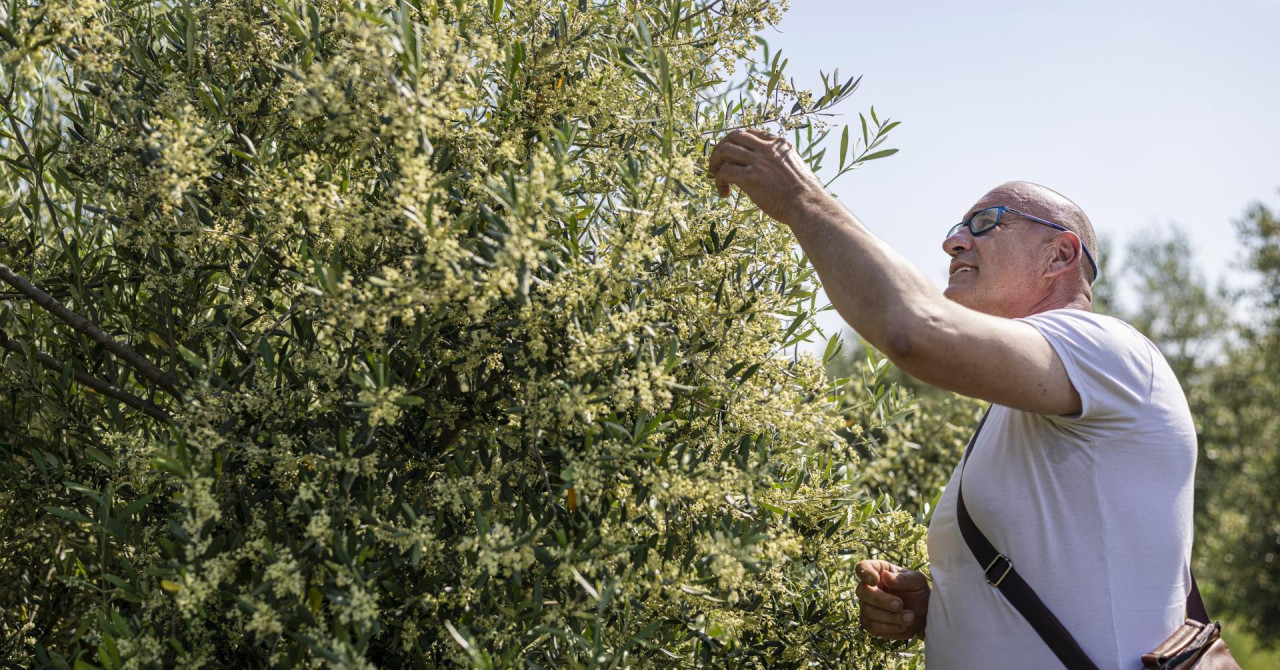
Imports rise above a diminished domestic crop
Croatia imported more olive oil than it produced for the first time, as a sharp fall in domestic output coincided with a surge in purchases from abroad. Data from the Croatian Bureau of Statistics cited by Jutarnji list show that imports reached almost 60,000 hectolitres last year, up 62% from 2024.
Domestic production moved in the opposite direction. Output fell from a record 63,000 hectolitres in 2024 to less than 46,000 hectolitres one year later, a decline of about 27%. Tportal and Net.hr reported that imported volumes consequently exceeded Croatian production by 31%. In 2024, the country had imported about 37,000 hectolitres.
The reversal highlights the volatility of Croatia’s olive harvest and the growing role of foreign supply in covering demand. It also follows years of rising interest in extra virgin olive oil and new planting. Istrian producer Ivan Ipša told Net.hr that many recently planted trees will not reach full production for another three to four years because olive trees take 10 years to achieve a full crop.
Heat and drought threaten another weak harvest
Producers are also preparing for a difficult current season. Ipša said there had been almost no rain for two months and that temperatures had remained above 35 degrees Celsius for two weeks. His orchards recorded temperatures as high as 38 degrees. Such conditions can stop plant development, reducing both fruit size and the proportion of oil in the olives.
High temperatures and limited water cause fruit to dry and fall as trees conserve resources for survival. Zdenko Barac, secretary of the Olea association of olive growers in Istria County, told Jutarnji list that drought and temperature shocks were the main causes of the weaker crop, while pest pressure had been lower. Trees on deeper soils are expected to fare better than those on rocky or shallow ground.
Irrigation remains limited, particularly along the coast, and Barac said using mains water is not economically viable. Weather conditions may also bring the harvest forward. Producers have avoided forecasting total output before picking begins, although Olea expects the volume of fruit to be below previous years. Oil quality could nevertheless remain high, with results varying by location, soil, variety and production technology.
Farm structure restricts competitiveness
Croatian production is dominated by small family orchards and part-time growers. Barac said this structure makes it difficult to compete on price with larger producers in Spain, Italy and Greece. Some Croatian production is also absent from official statistics because it is retained for household use or sold outside fiscalised channels.
Barac sees super-intensive orchards as one possible response. Traditional Spanish farms generally have 80 to 120 trees per hectare and produce 500 to 850 kilograms of oil per hectare, according to industry data cited by Jutarnji list. Large irrigated orchards can have 800 to 2,000 smaller trees per hectare and yield about 1,200 kilograms of oil per hectare. Row planting, irrigation and mechanised harvesting reduce labour requirements and production costs.
The model is difficult to reproduce on Croatia’s fragmented holdings. Barac said machinery is not economical on properties smaller than 10 hectares. Labour is less of a constraint in Istria, where foreign workers often remain after the tourism season and are available when harvesting begins in September.
Government points to cooperation and investment
The Agriculture Ministry said the situation was not alarming and attributed it to climate change and insufficient use of agricultural measures. State Secretary Tugomir Majdak told RTL Danas that producers should cooperate more closely to strengthen their market position, purchase inputs more cheaply and improve output and quality through shared professional advice.
Applications have also opened for €20 million in new incentives, according to Net.hr. For local growers, however, investment decisions must account for fragmented land, scarce irrigation and increasingly severe heat. Tourism supports demand for domestic oil, but Barac said few producers can live from olive growing alone. Imported oil is therefore likely to retain an important role whenever weather reduces the Croatian crop.