Croatia's Transformer Exports Grow 2.6x Since 2021, Industry Warns of EU Safeguards
Croatia's exports of electric motors, generators and transformers grew 2.6 times between 2021 and 2025 to reach €923 million, according to the Croatian Employers' Association (HUP). HUP warns that new EU protective measures on imported electrical steel could raise costs and threaten the sector's more than 80 European producers and 20,000-plus jobs.
Exports Nearly Triple in Four Years
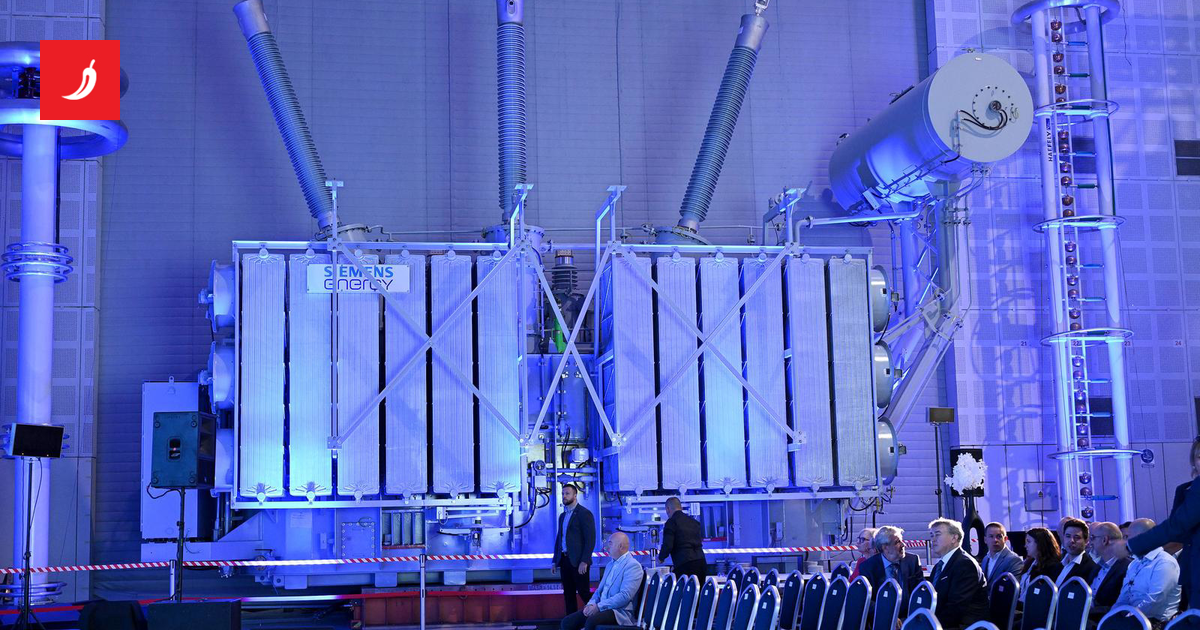
Croatia has become one of the world's leading producers of transformers per capita and a key European manufacturing hub for electric motors, generators and transformers, according to the Croatian Employers' Association (HUP). In its latest weekly economic analysis, HUP's chief economist, Hrvoje Stojić, said the sector's exports grew 2.6 times between 2021 and 2025, reaching €923 million — equivalent to 6% of Croatia's total manufacturing exports and placing the industry among the country's top five export sectors.
More than 70% of the sector's revenue comes from exports, HUP said. Germany is by far the largest destination, taking 26% of exports, followed by Austria (10%), Italy (9%) and the United States (7%), according to seebiz.eu. HUP notes that annual growth rates in Croatia's electrical equipment industry have consistently outpaced both capital goods production and average industrial output.
Electricity Demand to Accelerate Through 2030
HUP projects that electricity demand will grow sharply through 2030, driven by the expansion of artificial intelligence and data centers, investment in renewable energy, industrial electrification, electric vehicles and other new sources of consumption. Demand for power transformers is expected to rise by an average of about 6.5% a year through 2030, with demand for generators growing only slightly slower, HUP said, citing industry sources. The European Union has also set a target of raising electricity's share of final energy consumption from 22.9% today to about 60% by 2050, which HUP says underscores the strategic importance of transformer and generator manufacturing to Europe's energy transition.
EU Steel Safeguards Pose a Risk
Despite the favorable demand outlook, HUP warns that additional EU protective measures on imports of grain-oriented electrical steel (GOES), commonly known as transformer sheet, would pose a serious risk to the European transformer industry. GOES is a critical raw material for transformer cores, and European production capacity cannot currently meet growing demand or supply all required material grades, HUP said.
Imports of GOES have been subject to EU antidumping measures since 2015 and, from January 2026, will also fall under the EU's Carbon Border Adjustment Mechanism (CBAM), which equalizes carbon costs between domestic and imported goods. The European Commission has separately opened an investigation into GOES imports as part of a broader reshaping of EU steel safeguard measures, according to seebiz.eu. HUP argues that new restrictions layered on top of these existing measures would raise transformer production costs, slow investment in power infrastructure and weaken the competitiveness of a sector that, according to industry group T&D Europe, comprises more than 80 production facilities and over 20,000 employees across the EU. That, HUP warns, risks increasing Europe's dependence on imported finished transformers from third countries.
Industry Calls for a Value-Chain Approach
HUP has outlined what it calls preconditions for the continued development of European transformer production:
- Maximizing use of existing European capacity through stronger investment incentives for transformer-sheet production, scalable manufacturing technologies and innovation, alongside efforts to strengthen competitiveness across the value chain.
- A stable, predictable regulatory framework that secures reliable supply of key raw materials, including transformer sheet, while preserving access to global sources until European production can meet demand, with trade protection instruments aligned with CBAM.
Stojić said any new trade measures should apply consistently across the entire transformer value chain. “A protective measure covering only the raw material, GOES, and not semi-finished products, cores, laminates and finished transformers from third countries, would distort the level playing field,” he said, according to index.hr. Such a measure would disadvantage EU producers that further process GOES, he added, while importers of finished and semi-finished products would retain a competitive advantage — increasing the risk that production shifts outside the EU.
Full market analysis