Croatia Proposes Prominent Origin Labels for Loose Meat
Croatia plans to require retailers to display the origin of loose meat beside the product in lettering at least as large as the price. Producers say the labels will expose the country’s reliance on imported beef and pork, with domestic beef accounting for less than 40% of supply.
Origin must be displayed beside the meat
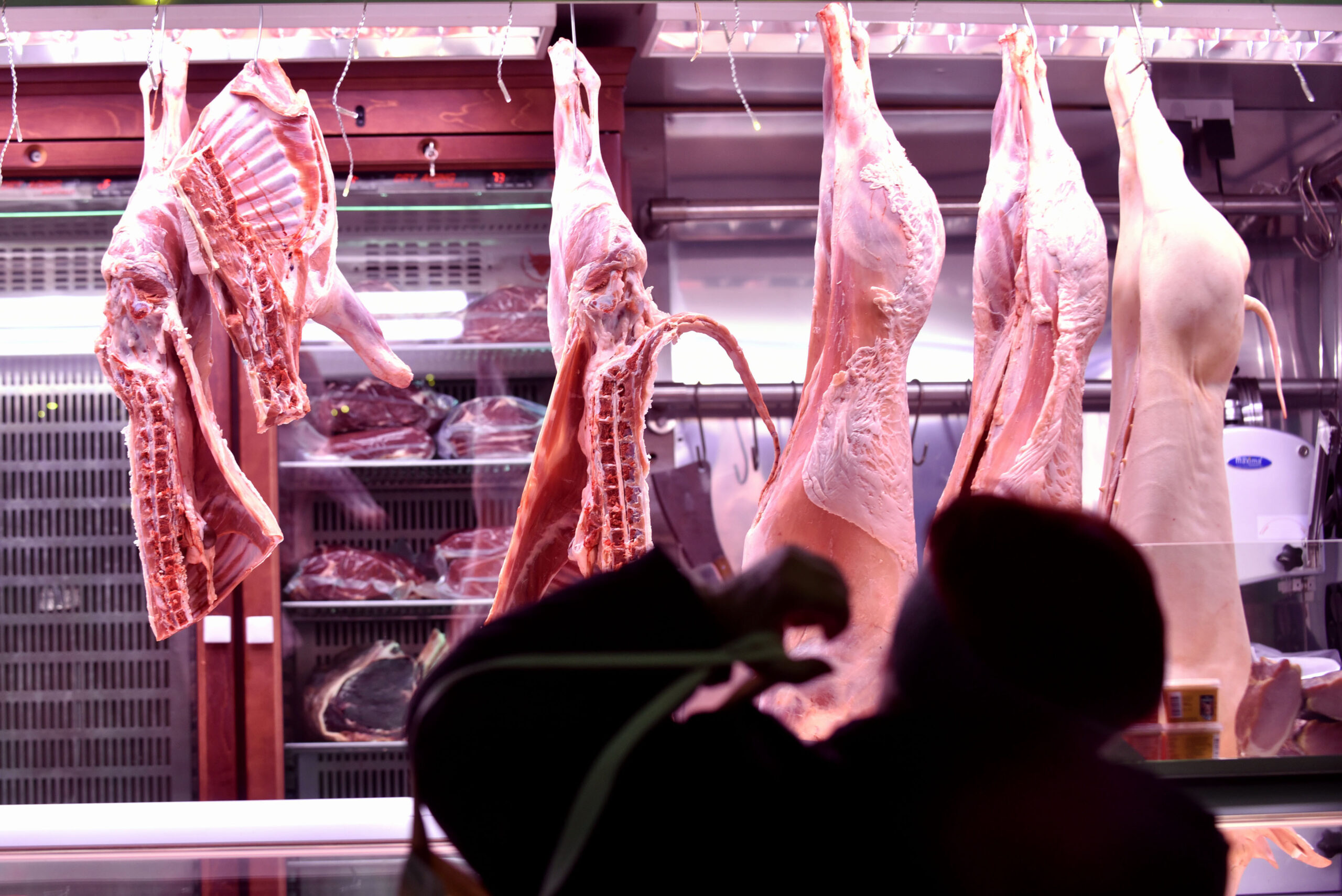
Croatia’s Ministry of Agriculture, Forestry and Fisheries has proposed stricter rules for displaying the origin of loose meat in retail stores. The amendments would cover unpackaged beef, pork, sheep meat, goat meat and poultry. Origin information would have to appear immediately beside the relevant product, using letters at least as large as the numbers and other characters used to show its price.
Origin disclosure for unpackaged meat is already mandatory, but the proposal would regulate how prominently retailers present it. Deputy Prime Minister and Agriculture Minister David Vlajčić said the change is intended to let shoppers see immediately what they are buying and where it comes from. According to Večernji, the proposal must still pass through public consultation.
Labels could expose dependence on imports
Livestock producers support the measure but expect Croatian origin labels to be relatively scarce. Toni Raič, a cattle fattener and member of the Baby Beef association’s presidency, told Novi list that domestic meat represents less than 40% of Croatia’s beef supply. He identified Poland as the leading source of imported beef, while South American meat is particularly prominent in supplies for the tourism sector.
Raič said Poland’s slaughtering industry is the most competitive in Europe and can respond to Croatia’s demand. In his account, higher-income markets show limited interest in lower-value bone-in cuts, allowing Polish suppliers to direct those products toward countries with lower purchasing power. Polish companies have also become major buyers of live cattle. Baby Beef’s members account for about 90% of Croatian beef production, and the association previously introduced its own Croatian beef label.
The proposed display rules may therefore give shoppers clearer information without changing the underlying supply balance. Some retail chains exclusively seek meat produced by Baby Beef members, but imported product remains essential to the broader market. More visible labels could also provide producers, processors and traders with a clearer indication of whether customers are prepared to pay for Croatian origin when the information is presented as prominently as price.
Pork producers face similar pressure
Pig farmer Mirko Kolić told Novi list that Croatian labels would also be uncommon for pork, where Spain, Germany and Hungary are major foreign suppliers. He put Croatia’s pork self-sufficiency at about 45% and estimated that the balance between Croatian and foreign-origin labels could be 30% to 70%.
Kolić said small pig producers have been leaving the industry after losing market access and facing persistent pressure from Europe’s larger supply and discounted retail prices. Pork cuts including shoulder, ham, belly and neck can be offered in retail chains for less than €3 per kilogram, according to Novi list. Kolić said he had also reduced production. For domestic farmers, the labeling measure improves visibility but does not resolve the price, capital and market-access problems behind lower output. For retailers and importers, it raises the operational importance of keeping origin information accurate and clearly matched to each loose product at the counter.