Croatia to extend 10-cent deposit scheme to beverage cartons and more containers
Croatia plans to expand its deposit-return system on January 1, 2027, adding beverage cartons, HDPE bottles and containers smaller than two decilitres. The change could bring 350 million to 400 million additional packaging units into the system annually, but producers and retailers are seeking a delay over infrastructure, logistics and hygiene concerns.
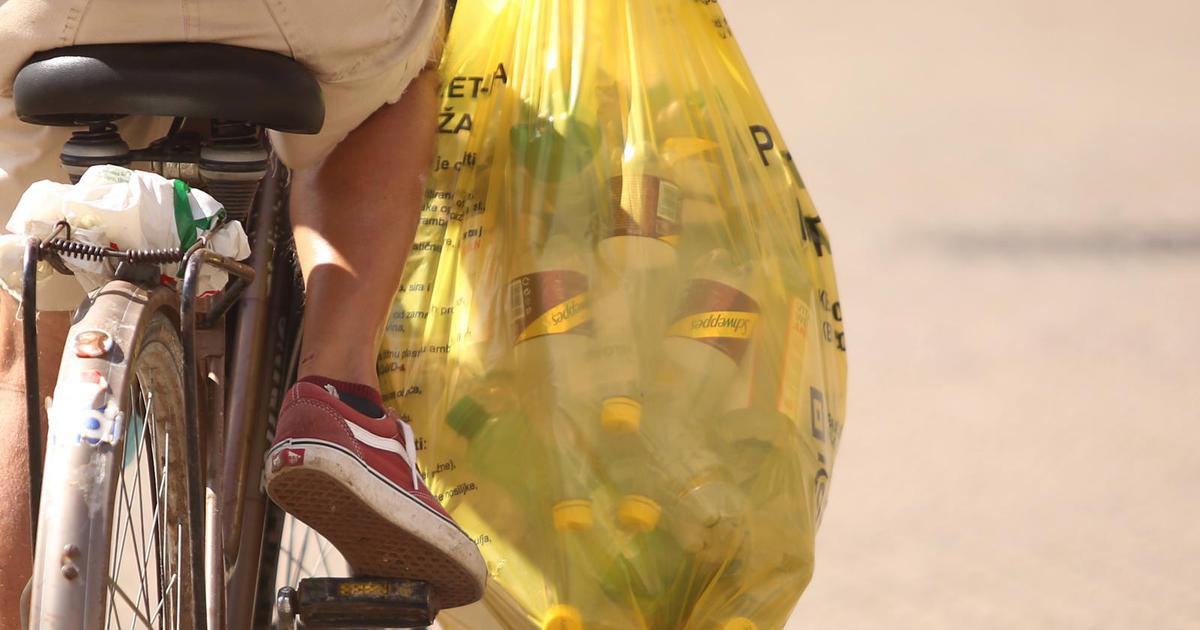
More packaging to carry a 10-cent deposit
Croatia is preparing to broaden its deposit-return system from January 1, 2027, extending the 10-cent charge beyond PET bottles, cans and glass containers. Under the regulation currently in force, the scheme will also cover single-use beverage packaging made from other plastics, glass or metal, as well as multilayer packaging in which paper or cardboard is the predominant component, Večernji list reported, citing Poslovni dnevnik.
The rules apply to beverage containers with a capacity of up to three litres. They will therefore include packages smaller than two decilitres, which are excluded under the existing system. Milk, dairy drinks, juices and other products sold in beverage cartons are expected to carry the deposit, alongside bottles made from plastics such as high-density polyethylene, or HDPE.
Consumers will pay 10 cents on top of the product price and recover the amount when they return the empty packaging to an approved collection point. The deposit is not necessarily an increase in the product’s underlying price, but it becomes a cost for buyers who do not return the container.
Retailers warn of capacity and hygiene constraints
The expansion could add an estimated 350 million to 400 million packaging units to the system each year. Producers, retailers and recovery operators say equipment, storage space and transport arrangements are not yet sufficient for such a large increase. Beverage cartons present a particular problem because their multilayer construction makes them more difficult to collect, store, transport and process than PET bottles, glass or cans.
Dragica Bagarić, director of Eko Ozra, said Croatia currently lacks capacity to recover multilayer carton packaging. She also said retailers do not have machines capable of accepting it and would have to collect the containers manually. Open cartons used for milk and similar products create an additional hygiene risk because many cannot be resealed.
Irena Weber, director-general of the Croatian Employers’ Association, said beverage cartons cannot be collected in the same way as packaging already covered by the scheme and that their complexity will require additional investment. Industry representatives have consequently requested a postponement.
The Ministry of Environmental Protection and Green Transition says the regulation was adopted in 2023 and stakeholders have had sufficient time to prepare. Sanja Radović, head of the Sustainable Waste Management Sector, said the ministry was working to make the system operational by the prescribed deadline. No official decision to delay implementation has been adopted.
New registration and return requirements
Retailers already receive a handling payment for every accepted unit. The current rates are 2.389 cents for packaging collected through a machine and 0.664 cents for a unit accepted manually. The ministry argues that shops already have a collection network and that the expansion will primarily increase the volume of work. Retailers counter that the expected quantities require new equipment, storage and logistics.
Returned packaging must be completely empty and cannot be crushed or destroyed. Its barcode and official deposit mark must remain visible and legible, and retailers may reject containers that fail these conditions. That could be difficult for cartons commonly opened by cutting a corner.
Producers will also face new compliance duties. Every eligible unit must display a Global Trade Item Number, or GTIN, and the prescribed deposit mark. Product and packaging data must be filed in the Register at least 14 days before the product enters the market, while a packaging sample must be sent to the Fund within the same period. The Fund issues a declaration of conformity after verification.
The reform is part of Croatia’s alignment with European Union packaging-waste rules. EU members were required to recycle at least 65% of total packaging waste by mass by the end of 2025, with the target rising to 70% for 2030. The European Commission decided in 2023 to refer Croatia to the Court of Justice of the European Union over incomplete transposition of the EU directive on packaging and packaging waste.
Full market analysis