Côte d’Ivoire Opens New Shea Campaign With Producer and Supply Reforms
Côte d’Ivoire has opened its new shea campaign under a reform led by the Cotton and Cashew Council. The government initiative seeks to protect producer income and secure supplies for industrial processors.
New campaign begins under sector reform
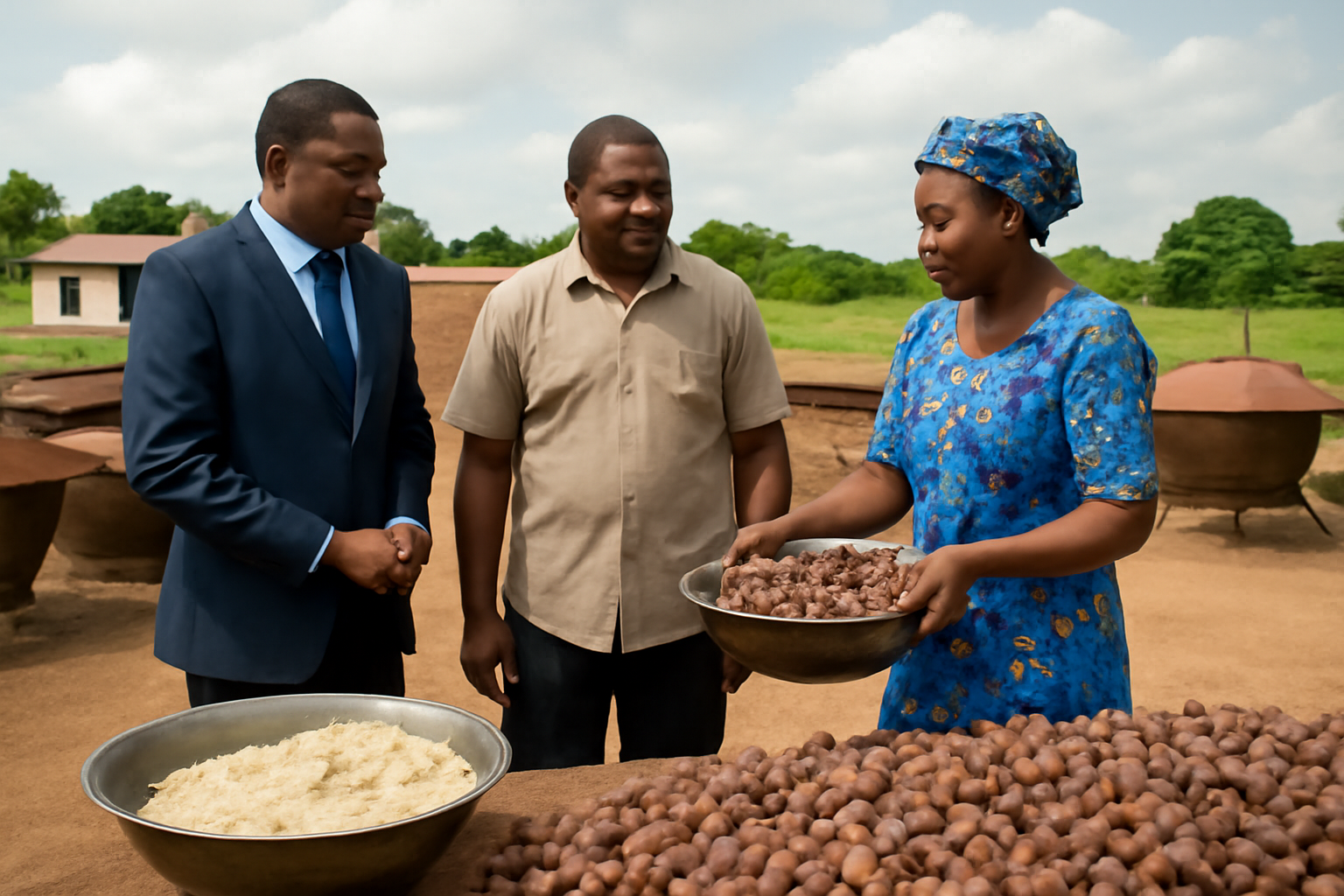
Côte d’Ivoire has officially opened its new shea campaign as part of a reform intended to protect agricultural producers’ income and make industrial supply channels more secure. The campaign was launched by the Cotton and Cashew Council, the public body named in the announcement. No producer price, production forecast, campaign timetable or implementation budget was provided in the available source material.
The initiative places two connected issues at the centre of the campaign: the value retained by shea producers and the reliability of raw-material supplies for processors. These priorities cover different stages of the same chain. Producers need predictable access to buyers and remuneration, while industrial operators need sufficient and dependable deliveries to organise processing activity.
Producer income is a central objective
The reform signals that producer protection will be part of the sector’s operating framework rather than a separate agricultural policy issue. However, the available announcement does not specify whether the authorities will use a reference price, purchasing rules, quality standards, registration requirements or other mechanisms. Those details will determine how directly the reform affects transactions during the campaign.
For producers and local collectors, implementation will matter as much as the formal opening. Rules governing purchases, product grading and access to approved marketing channels can influence bargaining conditions and the share of value reaching rural suppliers. Without published operational measures, it is not yet possible to quantify the expected income effect or identify which participants will carry the cost of compliance.
Processors seek more secure supply channels
The second stated objective is to secure industrial procurement circuits. Shea processors depend on the movement of raw material from producing areas through collection and aggregation networks. A more organised chain could give plants greater visibility over available volumes and delivery conditions, although the announcement provides no figures for current collection, processing capacity or utilisation.
Supply security does not necessarily mean higher production. It may also involve improving the organisation, traceability or regularity of existing flows. The distinction is important for processors deciding how much capacity to operate and for traders managing procurement commitments. The source material does not identify individual companies, planned investments, plant openings or new processing lines linked to the reform.
Market impact depends on implementation
The campaign opens a new policy phase for Côte d’Ivoire’s shea chain, but its commercial impact will depend on the rules applied after the launch. Producers will watch purchasing conditions and the practical protection of their income. Collectors and traders will need clarity on any new obligations, while processors will assess whether the changes improve the availability and predictability of supplies.
The available announcement contains no trade-flow data, export targets, price comparisons or list of affected foreign markets. It therefore does not establish whether the reform will change Côte d’Ivoire’s external shea trade in the current campaign. The immediate development is institutional: the campaign is open, producer income and industrial supply have been identified as priorities, and the next test will be how those objectives are converted into enforceable market rules.