Côte d’Ivoire launches €1.6bn roadmap to expand palm oil sector
Côte d’Ivoire has launched a CFA1.077 trillion (€1.6 billion) roadmap focused on farm inputs, credit and rural infrastructure for its palm oil sector. The plan could strengthen the country’s position as Africa’s leading exporter and a major supplier to Mali and Burkina Faso.
Investment targets farm productivity
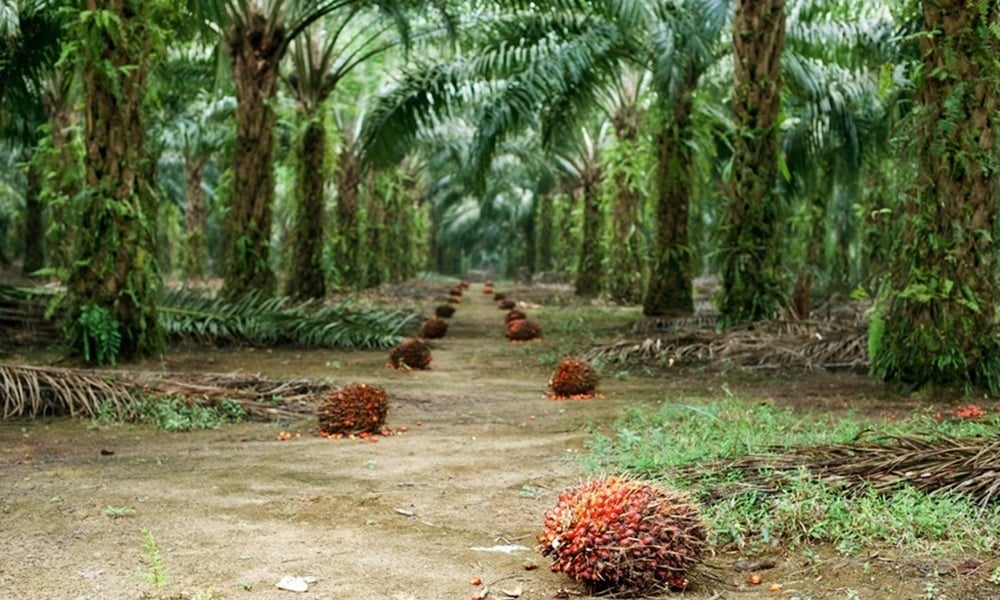
Côte d’Ivoire has launched a CFA1.077 trillion (€1.6 billion) development roadmap for its palm oil sector, one of the country’s largest recent public agro-industrial initiatives. Agriculture Minister Bruno Nabagné Koné presented the strategy on July 31 in Grand-Béréby as part of an interim programme covering the oil palm and coconut industries, according to La Tribune.
The roadmap is intended to improve access to fertiliser, certified planting material and credit, while rehabilitating rural roads. These measures target critical constraints affecting village plantations, which form the foundation of national palm oil supply. Better roads would also make it easier to move palm fruit from farms to processing facilities.
The new programme complements a ten-year palm oil development plan approved by the government in October and valued at an estimated CFA245.9 billion (€375 million). That plan focuses on replacing ageing plantations, expanding access to high-yield planting material, strengthening technical assistance for smallholders and modernising rural infrastructure.
Regional exports underpin the sector
Palm oil is Côte d’Ivoire’s fourth-largest agricultural export product after cocoa, natural rubber and cashew. The country produces between 500,000 and 600,000 tonnes of crude palm oil, making it Africa’s second-largest producer behind Nigeria. It is nevertheless the continent’s leading exporter and a central supplier within the Economic Community of West African States.
Mali and Burkina Faso are among the main destinations. Côte d’Ivoire sold CFA46.2 billion (€70 million) of palm oil to Mali in 2024 and CFA43.9 billion (€67 million) to Burkina Faso, based on customs data cited by La Tribune. Higher yields and faster plantation renewal could therefore increase supplies available to landlocked regional buyers as well as domestic processors.
The investment also addresses the resilience of a sector whose output depends heavily on small producers. Access to finance and certified seedlings will determine how quickly ageing trees can be replaced, while the availability of fertiliser and technical support will affect yields before the newly planted areas reach production.
West African producers raise ambitions
Côte d’Ivoire’s initiative comes as Nigeria and Ghana pursue their own production programmes. Nigeria’s Oil Palm Development Policy and Strategy for 2026-2050 aims to raise crude palm oil output from 1.5 million tonnes to 9 million tonnes, including 2 million tonnes for export. It also targets 7.1 million hectares under cultivation and 2 million jobs, supported by a proposed national palm oil council and dedicated financing mechanisms.
Ghana plans a $500 million (€433 million) financing facility for its National Integrated Oil Palm Development Policy for 2026-2032. Its strategy includes developing another 100,000 hectares of plantations to increase raw-material availability for mills. Together, the programmes point to intensifying competition for investment and processing capacity, while offering West Africa an opportunity to reduce import dependence and capture more value from palm oil derivatives.