Côte d’Ivoire-Ghana Cocoa Alliance Faces Pressure over Stocks, Traceability and Market Coordination
The cocoa partnership formed by Côte d’Ivoire and Ghana in 2018 is showing signs of strain as both countries face tougher traceability requirements and domestic market pressures. Unsold stocks, farmer speculation and smuggling are complicating their effort to coordinate supply policy and strengthen producer pricing power.
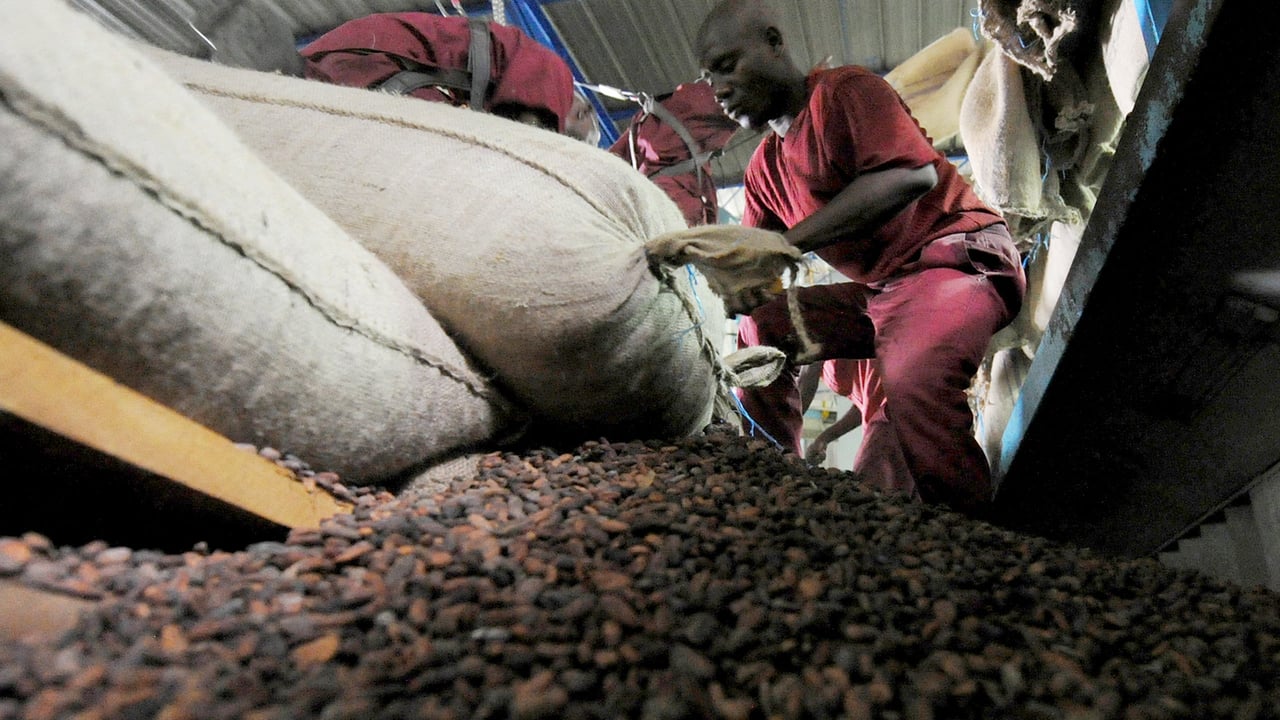
A producer alliance loses momentum
The cocoa alliance established by Côte d’Ivoire and Ghana in 2018 is showing signs of fatigue, according to Jeune Afrique. The partnership brought together the world’s two largest cocoa producers with the aim of increasing their influence over the global market. Its weakening now comes as both countries face pressure to improve bean traceability and manage tensions within their domestic cocoa sectors.
The stakes are substantial. Jeune Afrique reports that Côte d’Ivoire produced more than 2 million tonnes of cocoa beans in the 2025-2026 season. Coordinated policies between Abidjan and Accra can therefore affect a large share of global supply, while disagreements can weaken their ability to defend producer interests, organize sales and present a common position to international buyers.
Traceability puts cooperation to the test
At the end of September, the Ghanaian port city of Tema hosted an international meeting on implementation of ARS-1 000, a new African standard governing cocoa bean exports to Europe. The standard is backed by Côte d’Ivoire and Ghana and is intended to respond to European traceability requirements scheduled to take effect on 31 December, Jeune Afrique reported.
Implementing a common standard requires coordination across farms, cooperatives, warehouses, exporters and public authorities. It also raises the importance of reliable information about the origin and movement of beans. If implementation differs between the two countries, exporters and processors could face uneven compliance conditions, while buyers may have to assess supply chains separately rather than treating the two origins as a coordinated bloc.
Unsold cocoa exposes domestic pressure
Côte d’Ivoire is also opening its cocoa marketing campaign amid unsold stocks, speculation and smuggling. According to Jeune Afrique, production, local processing and exports all declined during the latest completed campaign. Most of the country’s 400,000 growers held onto stocks in the hope that cocoa prices would rise, disrupting the normal movement of beans through cooperatives and export channels.
The Ivorian government says it has completed the purchase of cocoa stocks blocked in cooperative warehouses after committing 280 billion CFA francs. Jeune Afrique described the intervention as unprecedented and intended to protect a sector that remains a pillar of the national economy. The scale of the operation shows how farmer selling decisions can create financing and storage pressure throughout the chain, even in the world’s largest producing country.
These domestic difficulties complicate regional coordination. A producer alliance depends not only on political agreement but also on each member’s capacity to control physical supply, enforce marketing rules and provide traceable cocoa. Stocks held outside normal channels and cross-border smuggling can undermine official sales systems and make coordinated supply policy harder to execute.
Pricing power depends on execution
Côte d’Ivoire and Ghana retain considerable weight because of their production scale, but market influence requires consistent implementation. Joint standards such as ARS-1 000 could strengthen their position if they create credible, comparable traceability systems. Fragmented implementation, by contrast, would give buyers greater scope to distinguish between origins and negotiate with each country separately.
The immediate test is whether Abidjan and Accra can maintain cooperation while resolving different domestic pressures. For producers, the outcome will affect how efficiently beans reach the market and whether collective action translates into stronger returns. For processors, traders and importers, weaker coordination could mean greater uncertainty over availability, compliance and the timing of exports from the two leading origins.