Côte d'Ivoire Cuts Farmgate Cocoa Price 60%, Fueling Illicit Bean Trade
Côte d'Ivoire, the world's top cocoa producer, slashed its farmgate price for the 2025-2026 mid-crop by nearly 60%, from 2,800 to 1,200 CFA francs per kilogram. Officials blame collapsing world prices, unsold stocks and strained public finances, but the gap between official and informal prices is widening a shadow trafficking network.
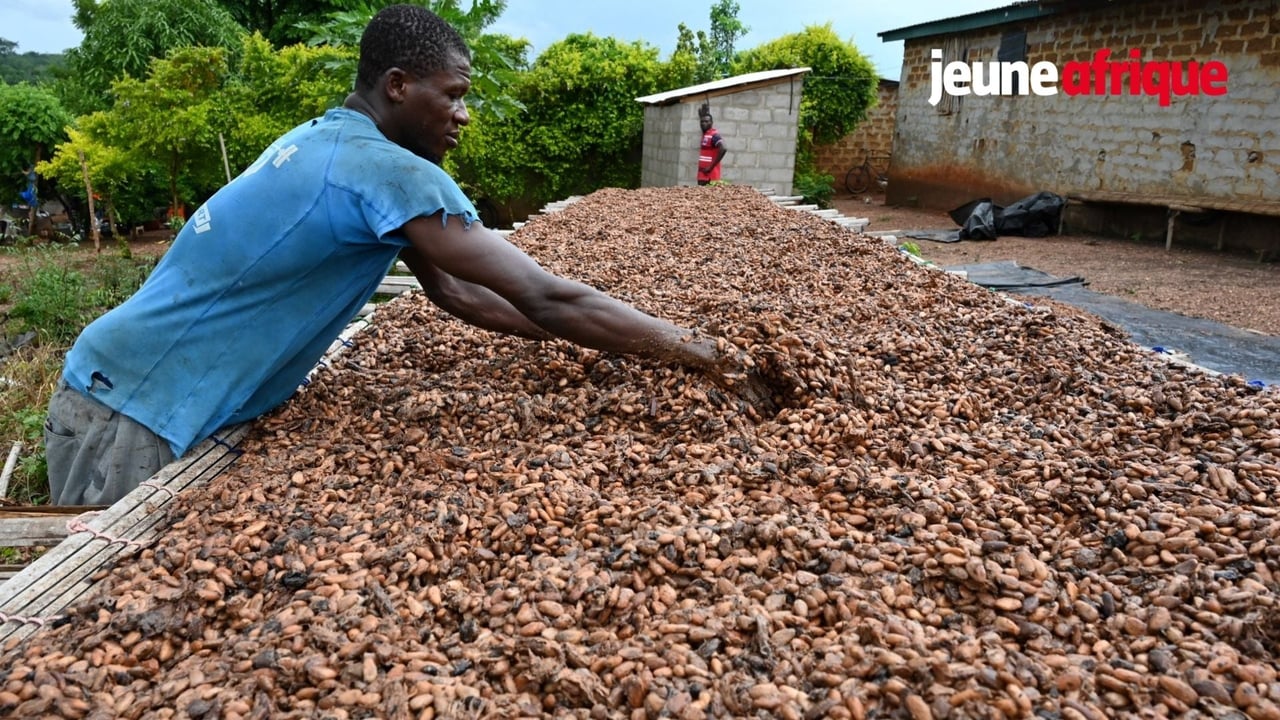
Abidjan slashes farmgate cocoa price by 60%
The government of Côte d'Ivoire, the world's largest cocoa producer, sharply cut the price paid to farmers for the 2025-2026 mid-crop season. Announced on 4 March, the new farmgate price was set at 1,200 CFA francs (1.83 euro) per kilogram, down from 2,800 CFA francs in force since October — a fall of almost 60%, according to Jeune Afrique.
The move is unusual for a country whose economy remains tightly linked to swings in the price of cocoa. The mid-crop, or intermediate campaign, follows the main October harvest, and the size of the cut leaves growers with far less income than they earned only weeks earlier.
Collapsing world prices and full warehouses
Officials tie the decision to the continued slide in international cocoa prices and a stabilization system that had become unsustainable. Agriculture Minister Bruno Koné said the mechanism "remained resilient," but that the ongoing collapse of the cocoa price on the international market forced a readjustment.
Jeune Afrique deputy economy editor Estelle Maussion explained that the state fixes the purchase price at the start of each season based on the previous year's sales, which can leave it "decorrelated" from the current world price. With prices falling fast, that mechanism became untenable. Other pressures weighed on the decision: unsold bean stocks piling up, exporters refusing to buy at a price they judged too high, and strained public finances. Jeune Afrique's Abidjan correspondent Baudelaire Mieu said the situation "was becoming untenable for public finances," noting that some exporters had even stopped buying.
A price gap that feeds trafficking
The steep cut widens the gap between the official price and what beans can fetch through informal channels, strengthening the incentive to sell off the books. Field reporting on cocoa traffickers in Côte d'Ivoire describes a climate of fear around the trade, with one resident quoted as saying "nobody will talk to you here, people are too afraid."
For a supply chain that feeds much of the world's chocolate, a growing shadow network is a structural risk. Beans that leave the licensed circuit undermine traceability and reduce the volumes reaching official exporters, at a time when European due-diligence rules on cocoa are still pending.
Turbulence for a key export sector
Côte d'Ivoire says it has already sold 80% of its 2025-2026 harvest, but the sector is passing through turbulence marked by the financial difficulties of local traders. Analysts point to persistent price volatility, the growing impact of climate change, and awaited European regulation as challenges facing the two leading producers, Côte d'Ivoire (Abidjan) and Ghana (Accra).
For importers and chocolate manufacturers, the divergence between farmgate policy and world prices — and the trafficking it can encourage — adds uncertainty over the reliability of supply from the country that anchors the global cocoa market.