Côte d'Ivoire cuts cocoa farmgate price 60%, fueling illicit bean trade
Côte d'Ivoire, the world's top cocoa producer, cut its farmgate price by nearly 60% to 1,200 F CFA per kilogram for the 2025-2026 mid-crop. Jeune Afrique links the collapse in producer prices to a growing clandestine trade in beans. Abidjan blames falling world prices and unsold stocks.
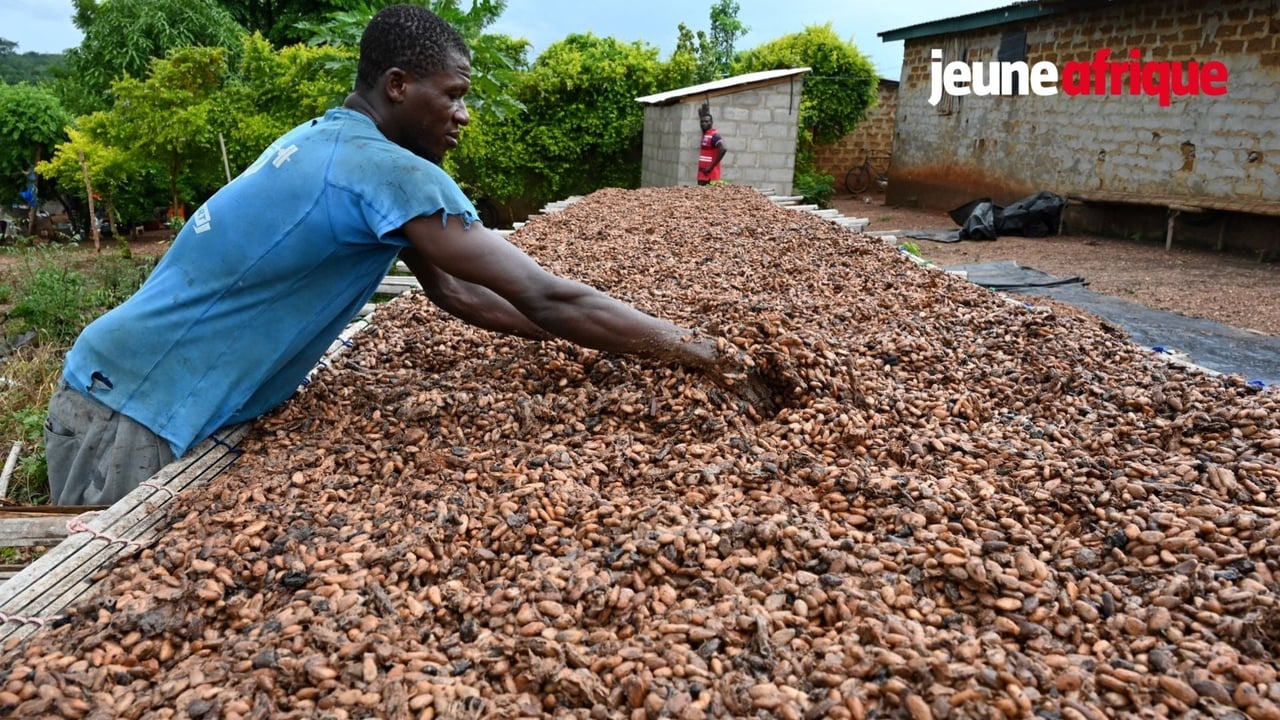
Côte d'Ivoire, the world's leading cocoa producer, has sharply reduced the guaranteed price paid to its farmers, unsettling a supply chain that feeds global chocolate manufacturing. According to Jeune Afrique, the price collapse has coincided with the growth of an illicit cross-border trade in beans.
A 60% cut to the farmgate price
On 4 March, the Ivorian government lowered the farmgate price — the 'prix bord champ' — for the 2025-2026 intermediate crop to 1,200 F CFA (1.83 euro) per kilogram, down from 2,800 F CFA in force since October, Jeune Afrique reported. The reduction of nearly 60% is unusually steep for a country whose economy remains tightly bound to cocoa revenues, known locally as 'brown gold'.
Officially, Abidjan blamed the collapse of world prices and an increasingly unsustainable stabilization system. 'The stabilization system remained resilient. But the continuous collapse of the cocoa price on the international market obliges us to make an adjustment,' Agriculture Minister Bruno Koné said, as quoted by Jeune Afrique. The publication also cited mounting unsold stocks of beans, exporters refusing to buy at the previous price, and public finances under pressure.
- New farmgate price: 1,200 F CFA (1.83 euro) per kilogram
- Previous price since October: 2,800 F CFA per kilogram
- Reduction: close to 60%
- Share of 2025-2026 harvest reported sold: 80%
Why the pricing mechanism broke
Each year, the state sets a purchase price for producers at the start of the campaign, explained Estelle Maussion, deputy economy editor at Jeune Afrique and an agribusiness specialist. Because that figure is calculated from the previous year's sales, it can become 'decorrelated' from the current world price. In a fast-falling market, the mechanism became untenable. Baudelaire Mieu, the outlet's Abidjan correspondent and a cocoa specialist, added that 'the situation was becoming untenable for public finances', noting that some exporters had stopped buying altogether.
Low prices feed a clandestine trade
The price gap has consequences on the ground. In a separate report tracing cocoa traffickers, Jeune Afrique described a climate of fear among those involved. 'No one will talk to you here, people are too afraid,' a resident named Alexandre Niamien told the publication, lowering his voice. A farmgate price far below what beans can fetch across borders strengthens the incentive to move product through informal channels — a structural risk to traceability in the country that supplies the largest share of the world's cocoa.
Outlook for the world market
Côte d'Ivoire says it has already sold 80% of its 2025-2026 harvest, even as local traders face financial difficulties, according to Jeune Afrique. The sector remains exposed to sharp price volatility, the growing impact of climate change, and pending European Union rules on deforestation. Cocoa expert Antonie Fountain has warned that both leading producers — Côte d'Ivoire and Ghana — face mounting challenges. For importers and chocolate makers, the mix of an administered price shock, accumulating stocks, and leakage into informal channels adds fresh uncertainty to supply from the origin that dominates global output.