Corn rises on tighter US supply outlook and ethanol demand as wheat retreats
Corn and soybean futures advanced in Chicago on July 23, 2026, while wheat retreated from a multiyear high. Expectations of reduced US corn acreage, strong ethanol demand and Black Sea logistics risks supported the grain complex, while Brazilian corn also gained on B3.
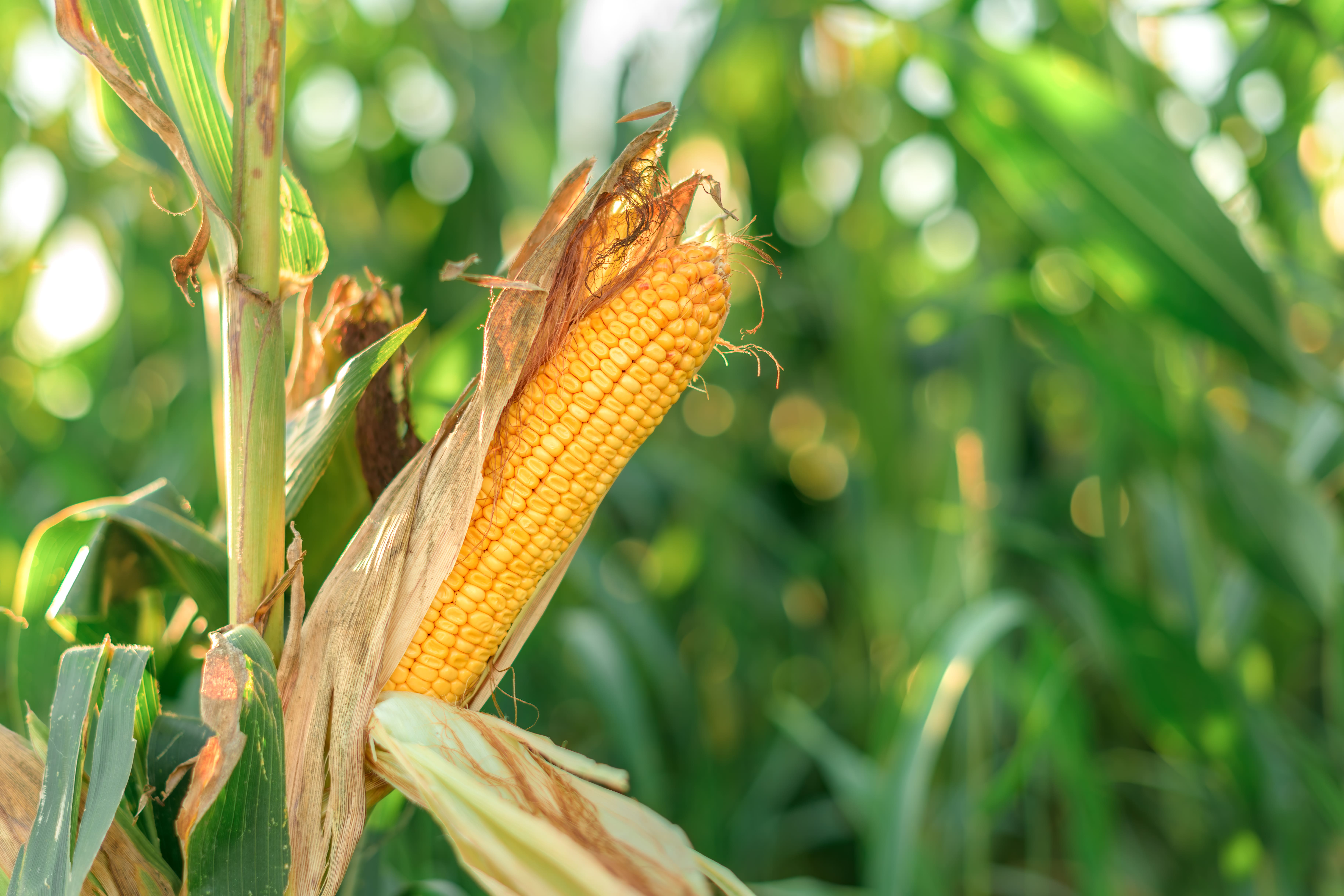
Corn supported by acreage and ethanol outlook
Corn futures ended higher in Chicago on Thursday, July 23, supported by expectations of tighter US supply and growing domestic consumption by ethanol producers. The December 2026 contract closed at $4.87 per bushel, up 0.57%, while September gained 0.43% to $4.64. March 2027 settled at $5.03, an increase of 0.55%, according to Notícias Agrícolas.
Gilberto Leal, head of commodities at Granel Corretora, told CNN Brasil that the market was responding to an expected reduction in US corn acreage and a strong ethanol crushing program. International risks added support, particularly tensions affecting the Black Sea grain corridor. Disruption there could redirect demand toward supplies from the United States, Brazil and Argentina.
US export data presented another important signal. ZOL reported old-crop corn sales of 332,679 tonnes for the week ended July 16, including 203,300 tonnes purchased by Mexico and 152,000 tonnes by Taiwan. New-crop sales reached 701,505 tonnes, with 168,000 tonnes booked by undisclosed buyers and 148,100 tonnes sold to Colombia.
Brazilian futures rise during harvest
Brazilian corn futures also advanced on B3 even as the second-crop harvest approached completion in Mato Grosso. September 2026 rose 0.96% to R$70.78 per 60-kilogram bag, January 2027 gained 0.99% to R$77.34, March increased 1.03% to R$78.53 and May added 1.25% to R$77.78. Notícias Agrícolas said the 2027 contracts were trading at their highest levels since their launch.
A stronger dollar, firmer domestic cash prices and expanding corn-ethanol consumption contributed to the move. Corn for September shipment traded near R$50-R$51 per bag in some producing regions, according to Leal. Agrinvest said US corn shipped through the Pacific Northwest was currently less competitive than Brazilian supply, potentially giving Brazil more room to win export business later in the cycle.
Soybeans gain as export commitments expand
Soybean futures joined the advance. The November contract closed at $12.43 per bushel, up 0.38%, supported by demand for US supplies, robust crushing and interest in soybean oil for biodiesel. CNN Brasil reported that more than 6 million tonnes of new-crop soybeans had already been committed, compared with about 2.6 million tonnes at the same point a year earlier, mainly because of China.
ZOL reported weekly new-crop soybean sales of 1.537 million tonnes, including 1.006 million tonnes purchased by Mexico. The US Department of Agriculture also announced a private sale of 126,000 tonnes to an undisclosed buyer. In Brazil, soybean premiums weakened as Chicago rose, but cash soybeans approached R$130 per bag in parts of Mato Grosso.
Wheat pulls back from recent peak
Wheat moved in the opposite direction. Chicago September futures fell 1.35% to $6.96 per bushel after reaching $7.102 intraday, the highest level since May 28, 2024. Despite the session decline, ZOL said wheat had gained 18% since the start of July.
The market continued to monitor Black Sea supply after Russia restricted nighttime shipments from Novorossiysk following Ukrainian drone attacks. US wheat export sales totaled 290,016 tonnes for the week ended July 13, including 137,600 tonnes to Mexico and 98,200 tonnes to Taiwan. The combination of logistics risk, changing US supply expectations and competition among American and South American origins is likely to keep grain prices sensitive to export data and weather.