Argentina studies first e-methanol plant: 110,000 tonnes a year from Córdoba bioethanol CO2
GIZ, eab New Energy and SEG Ingeniería have begun a feasibility study for Villa María New Energy in Córdoba, Argentina, a project pairing a 200 MW electrolyser with biogenic CO2 from corn bioethanol. Output would reach about 110,000 tonnes of e-methanol a year for chemical, shipping and aviation buyers. It would be the first plant of its kind in the country.
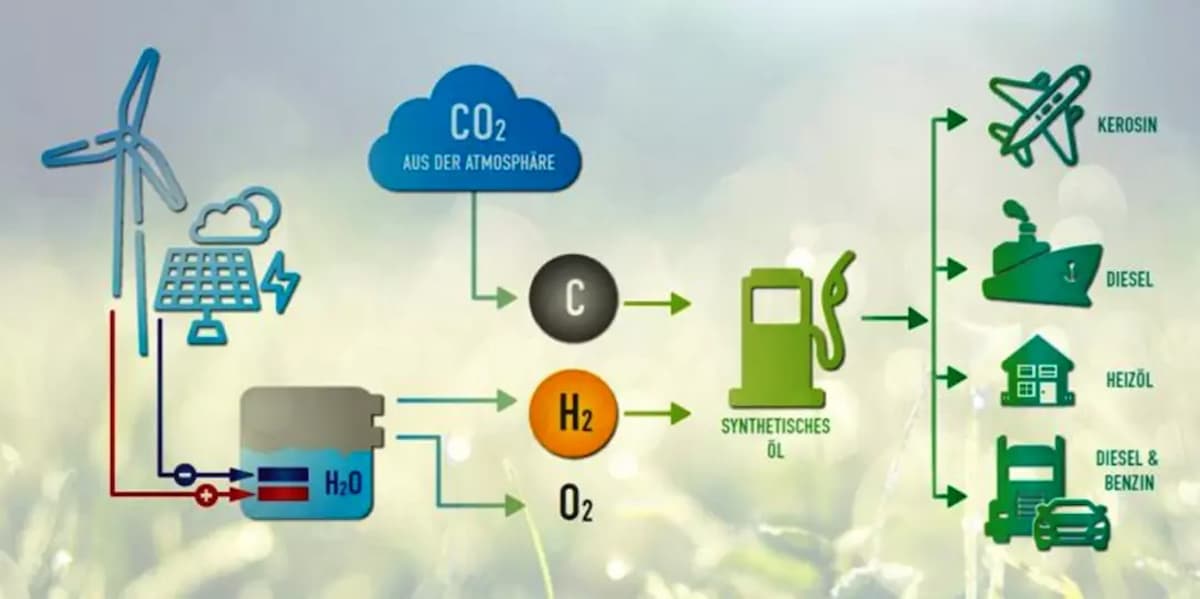
GIZ, eab New Energy and SEG Ingeniería have begun studying the feasibility of Villa María New Energy, a project in Argentina's Córdoba province that would combine renewable power, renewable hydrogen and biogenic carbon dioxide to produce around 110,000 tonnes of e-methanol a year, bioeconomia.info reports. If it advances, it would be the first plant of its kind in the country.
The project's logic starts with an existing by-product stream. Córdoba holds Argentina's largest installed corn bioethanol capacity; its biorefineries process almost 2 million tonnes of grain a year and release large volumes of high-purity carbon dioxide as an unavoidable part of fermentation. That CO2 is described as biogenic because the carbon was absorbed from the atmosphere by the crop as it grew, and much of it is already captured and directed to beverage carbonation and other industrial uses. Villa María New Energy would route it into fuel synthesis instead.
A 200 MW electrolyser beside the country's largest corn biorefinery
The configuration under study pairs a 200 MW electrolyser, capable of producing roughly 20,000 tonnes of renewable hydrogen a year through water electrolysis powered by wind and solar, with the biogenic CO2 available nearby. Combined, they would support output close to 110,000 tonnes a year of green methanol destined for international chemical, shipping and aviation markets.
The siting is deliberate. Villa María lies in the heart of Córdoba's maize corridor and hosts ACABio, the largest corn biorefinery in the country, which generates biogenic CO2 as an unavoidable output of fermentation. That proximity removes one of the costliest obstacles facing e-fuel projects in other regions, where carbon has to be captured from dilute sources such as industrial stacks or ambient air. In Córdoba the gas leaves the fermentation vessels already concentrated and clean.
A public-private alliance
On the private side, eab New Energy GmbH is a German renewable energy project developer with more than three decades of activity, while SEG Ingeniería is a Uruguayan energy infrastructure firm with more than 280 MW of wind and solar capacity awarded in Uruguay and Argentina. Public backing comes from GIZ, the German government's international cooperation agency, which participates through H2Uppp, a programme of Germany's Federal Ministry of Economy and Energy designed to promote private sector involvement in the development of hydrogen markets in the Global South.
Javier Ortiz de Zúñiga, director of GIZ's Energy Portfolio for the Southern Cone, called the project “a concrete step to position Argentina in the growing global e-fuels value chain”, and said the programme aims to “reduce the risks of this early stage and enable informed investment decisions”.
What the study has to answer
The stated objective of this phase is to generate the technical, economic and regulatory information needed to determine whether the project is viable and bankable. The assessment covers:
- feedstock availability — both biogenic CO2 and water for electrolysis;
- renewable power supply;
- the optimal plant configuration;
- export logistics;
- production costs;
- the market and sustainability requirements set by potential international buyers.
Fernando Schaich, director and founder of SEG Ingeniería, said the firm brings regional project development experience to the alliance. “In Villa María we are applying that experience to the questions that determine whether an e-fuels project is bankable: the supply of biogenic CO2 and water, and international offtake for green methanol and SAF,” he said, adding that working with eab New Energy and with H2Uppp support “gives us the data and the credibility this early stage demands”.
The demand case for e-methanol
Conventional methanol is made from natural gas or coal and carries a high carbon footprint. E-methanol is synthesised by combining renewable hydrogen with captured CO2, yielding a liquid fuel with significantly lower carbon intensity. Its practical advantage is compatibility with existing storage and transport infrastructure, and it can be used either as a petrochemical feedstock or as a marine fuel, a segment where major shipping lines are already installing dual-fuel engines able to run on methanol.
Global demand for green e-methanol has been growing on the back of European and Asian regulations covering emissions from shipping, aviation and the chemical industry. That favours countries with simultaneous abundance of renewable energy and concentrated sources of biogenic CO2 — a combination Argentina's agro-industrial belt offers in unusual form. Alexander Kaiser, project head at eab New Energy, said the company is applying more than 30 years in renewables to green hydrogen and green methanol production, “contributing to the decarbonisation of aviation, shipping and the chemical industry”.