Consumer Reports detects inorganic arsenic in all 52 rice products tested
Consumer Reports detected inorganic arsenic in every one of 52 rice products examined, according to Greek publication ekriti.gr. Brown rice averaged 80% more than white rice of the same variety, while basmati, jasmine and sushi rice recorded the lowest concentrations.
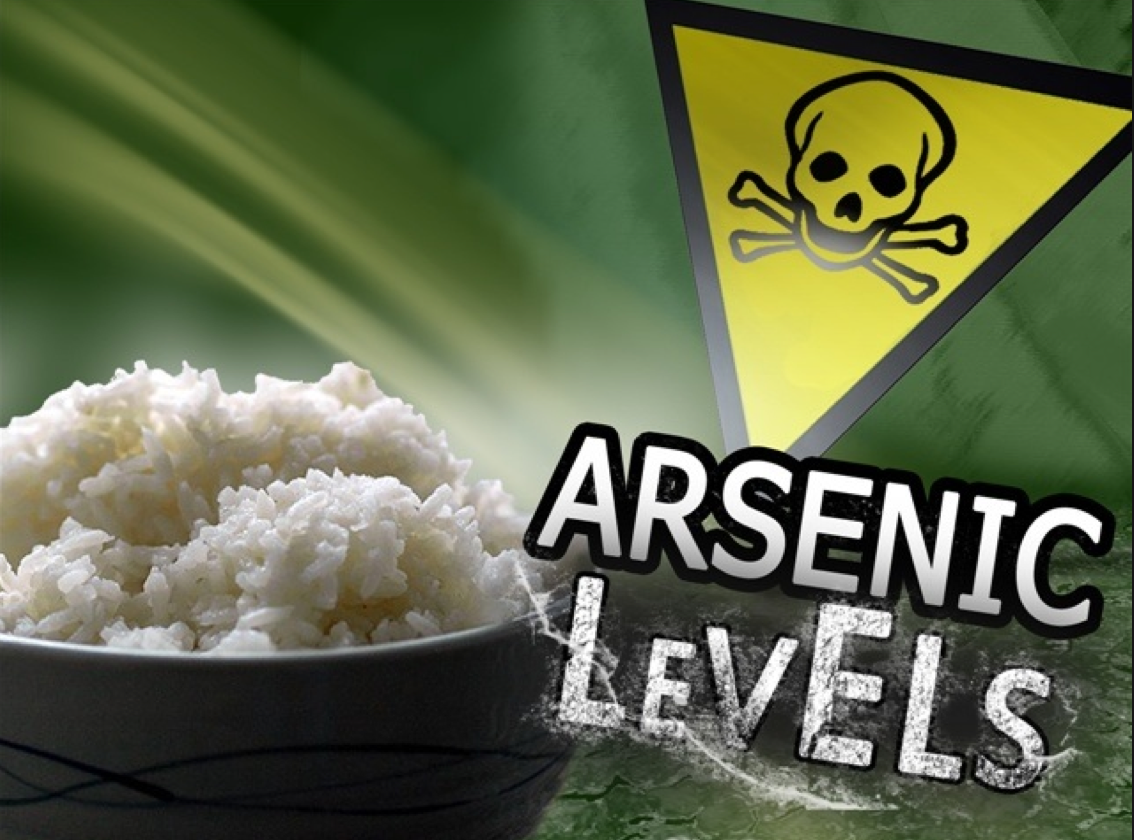
Arsenic found across every product category
Consumer Reports detected inorganic arsenic in all 52 rice products included in a new laboratory analysis, according to Greek publication ekriti.gr. The selection covered white and brown rice, basmati, jasmine and sushi rice, as well as ready-to-eat microwave meals. The supplied report did not provide individual concentration figures or identify specific brands with the highest readings.
The findings keep a longstanding food-safety issue in focus for rice growers, millers, packaged-food manufacturers and retailers. Inorganic arsenic was described in the report as carcinogenic. Its presence in every sample does not mean that all products carried the same level: concentrations varied substantially with rice type and cultivation region.
Brown rice recorded the highest average burden
Brown rice contained an average of 80% more inorganic arsenic than white rice from the same variety, ekriti.gr reported. Arsenic accumulates in the outer bran layer, which remains in brown rice but is removed when rice is milled and polished to produce white rice. The nutritional positioning of brown rice therefore comes with a food-safety consideration that processors and buyers may need to communicate clearly.
Basmati, jasmine and sushi rice consistently produced the lowest concentrations among the varieties tested. The available source did not publish numerical readings, regulatory thresholds, country-of-origin details or a ranking of named brands. Buyers should consequently avoid interpreting the results as evidence that every product within those categories has an identical risk profile.
Organic certification did not prevent arsenic from appearing. According to ekriti.gr, the element may already be present in soil, in some cases following historical use of arsenic-based pesticides, and is then absorbed naturally by the plant. Rice can take up as much as 10 times more arsenic from soil and flooded field water than other grains, making field conditions and sourcing region relevant alongside cultivation standards.
Processing and preparation can reduce exposure
The report did not recommend eliminating rice from diets. It said the toxic load could be reduced by as much as 75% through preparation practices: rinsing rice thoroughly under running water, cooking it in six parts water to one part rice, and draining the excess liquid after cooking. Consumers were also advised to replace some rice meals with grains such as quinoa, bulgur and millet.
Those methods have commercial implications. Producers of microwave meals and other convenience products control preparation before the product reaches consumers, so formulation and processing practices may attract closer scrutiny than cooking instructions for dry rice. Retailers and food-service buyers may also seek clearer information about variety, origin and testing, especially for brown rice and products marketed as organic.
For the wider rice industry, the results represent a reputational and quality-control issue rather than evidence of a uniform problem across all products. The wide variation reported between varieties and growing regions makes testing and traceability important for suppliers. Without brand-level measurements in the supplied findings, however, the report supports comparison by rice type and production origin, not claims about individual companies.