Construction starts on 300 MW Andalusian Green Hydrogen Valley in Huelva
Construction has started on the Andalusian Green Hydrogen Valley in Huelva, Spain. The project is designed for 300 MW of capacity and annual green hydrogen production of 45,000 tonnes.
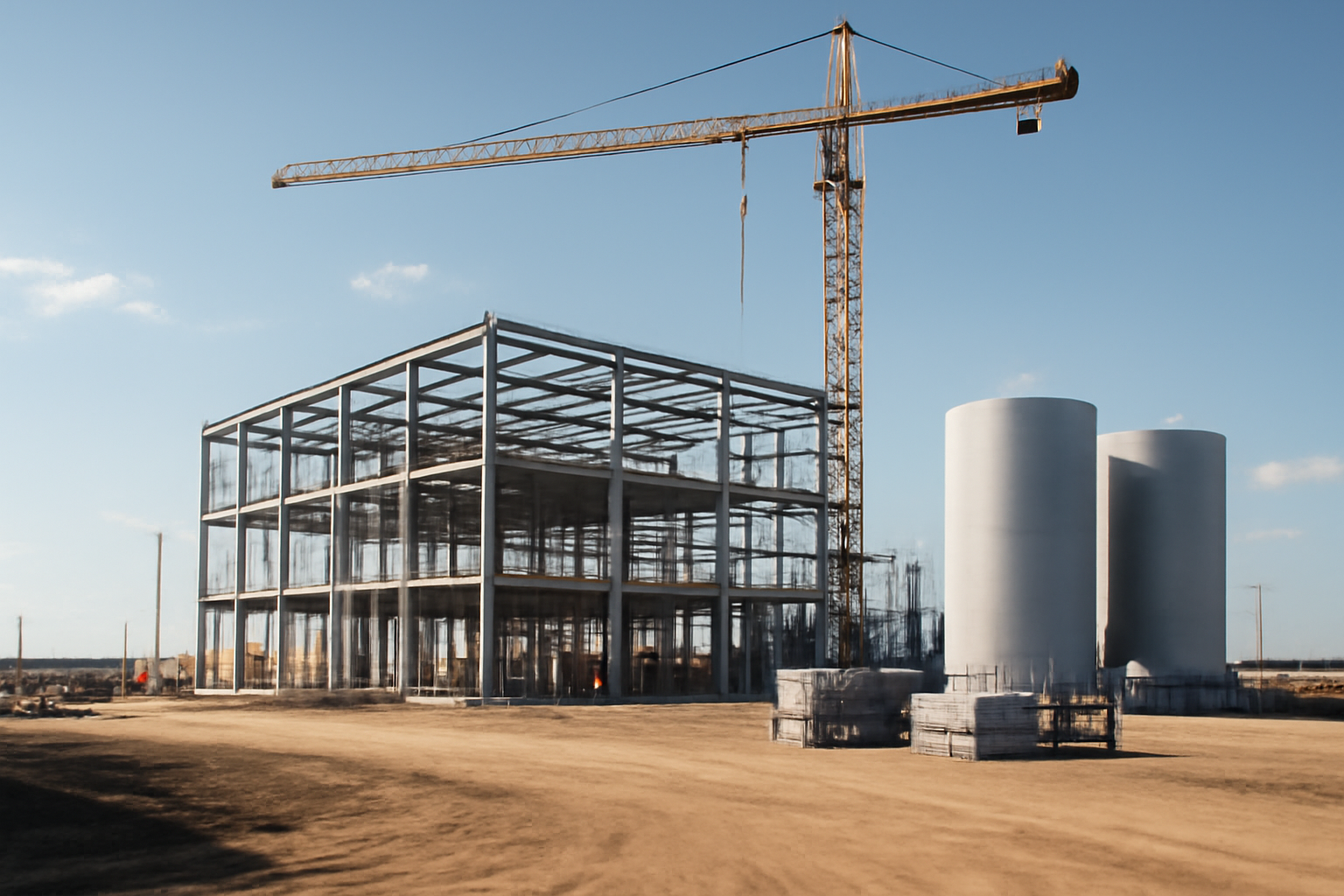
Construction begins in Huelva
Construction has started on the Andalusian Green Hydrogen Valley in Huelva, marking the move from planning to physical development for a project presented as the largest green hydrogen initiative in Europe. The planned facility will have 300 MW of capacity and is expected to produce 45,000 tonnes of green hydrogen annually.
The project places Huelva, an established industrial location in southern Spain, at the center of a major effort to expand low-carbon hydrogen supply. Its scale is significant for industrial users assessing whether renewable hydrogen can become available in volumes large enough to support changes in production processes and energy procurement.
The construction phase will be closely watched by hydrogen producers, equipment suppliers, industrial consumers and investors. For these market participants, the central questions will be whether the planned capacity can be delivered as scheduled and whether annual production can reach the stated 45,000-tonne level.
Industrial decarbonization potential
Green hydrogen is intended to replace hydrogen or energy derived from fossil fuels in applications where direct electrification can be difficult. A project with 300 MW of planned capacity could therefore become relevant to industrial decarbonization in Spain and to the wider development of a European hydrogen market.
The project's effect will ultimately depend on how its hydrogen is used. Supply directed to industrial consumers could reduce their dependence on fossil-based inputs, while stable demand from large users would give the plant a clearer route to sustained production. The relationship between capacity, actual output and customer demand will determine its commercial influence.
The announced annual output of 45,000 tonnes also provides a concrete benchmark for the market. Buyers will be able to compare that volume with their own consumption requirements, while competing developers can measure the Huelva project against other planned facilities. Equipment makers and service providers will monitor construction as evidence of how quickly large electrolyzer projects can move into operation.
Implications for European hydrogen supply
The Andalusian project could add a substantial production center to Europe's developing green hydrogen network. For Spain, it reinforces the role of domestic renewable-energy resources in supplying industry. For neighboring markets, its relevance will depend on available transport infrastructure, commercial contracts and whether output is consumed locally or supplied to customers farther away.
Construction does not by itself guarantee full utilization. Electricity availability, operating performance and firm demand will shape actual production once the project is completed. Even so, the start of building work is an important test of whether Europe's large announced hydrogen projects can progress from development plans to operating industrial assets.
For producers and investors, the key milestone after construction begins will be the conversion of 300 MW of planned capacity into reliable output. For industrial buyers, attention will center on supply consistency and the ability to secure enough hydrogen for long-term operational needs. The project's progress will consequently serve as a reference point for other large European green hydrogen developments.