Constanța grain prices fall as Ukraine redirects rail cargoes through Romania
Wheat and oilseed prices declined at Constanța as seasonal supply weighed on the market. Ukraine simultaneously increased rail shipments toward Romania amid attacks and logistical disruption at Black Sea ports.
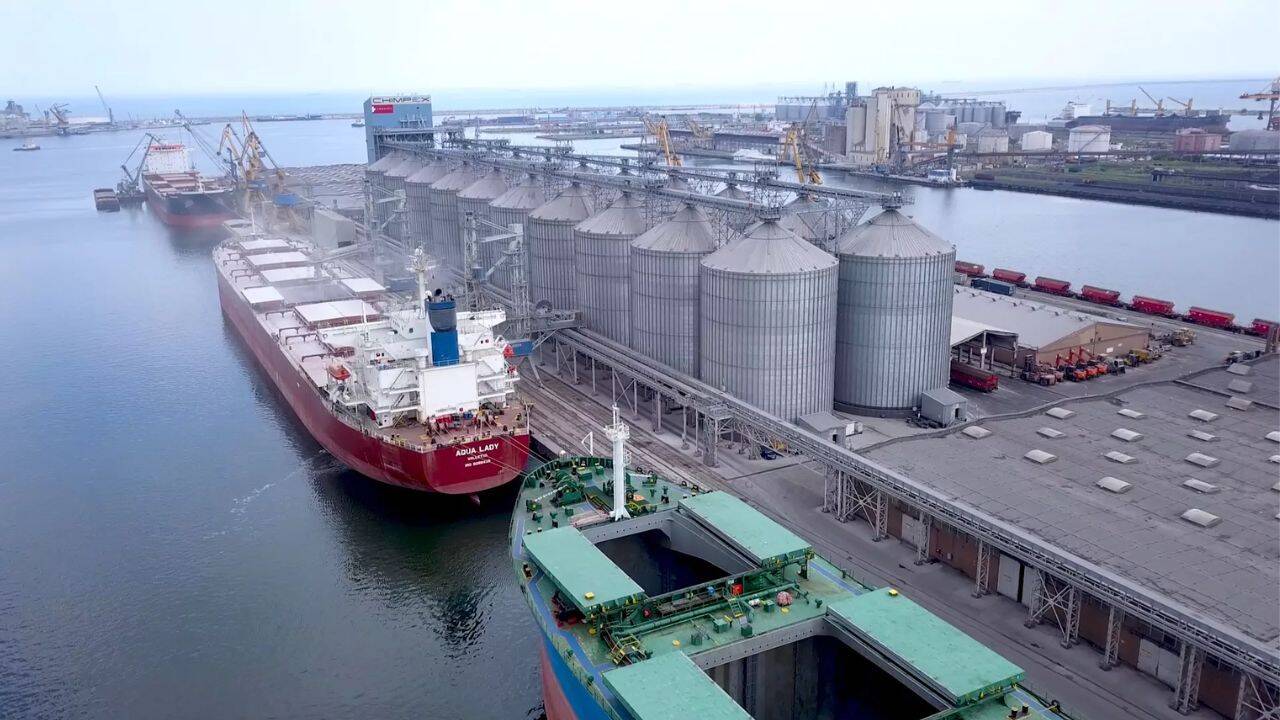
Wheat and oilseeds retreat at Constanța
Grain and oilseed prices ended the week mostly lower at Romania’s Constanța port as seasonal supply and international market adjustments outweighed continuing uncertainty over Black Sea logistics. Agrointel reported that DAP milling wheat fell by €6 per tonne to €209 per tonne, while feed wheat lost €5 to reach €192 per tonne. Feed barley declined by €3 to €190 per tonne.
Oilseeds recorded some of the largest corrections. Sunflower fell by €6 per tonne to €494 per tonne, and rapeseed dropped by €8 to €510 per tonne. Corn was the exception, rising by €2 to €204 per tonne. The relative strength reflects deteriorating prospects for the European crop and a potentially greater need for EU imports in the next season.
European futures send mixed signals
European futures did not fully follow the decline at Constanța. The December MATIF wheat contract closed Friday at €232 per tonne, up 1.6% during the session and 1.8% over the week. Persistent attacks on ships and port infrastructure have sustained uncertainty around Russian and Ukrainian export flows, supporting futures despite abundant global wheat supply.
November Euronext corn finished at €248.25 per tonne as expectations for the European harvest weakened. France expects corn production of only 9 million tonnes, 35% below the 2025 level and the smallest crop since at least 1980, according to Agrointel. November MATIF rapeseed rose by 1.33% to €533.25 per tonne, supported by low water levels on the Rhine and high vegetable-oil prices. The contract stood 13.88% above its level a year earlier.
Ukrainian flows turn toward Romania
Ukraine is expanding rail movements of grain toward Romania and Poland as Russian attacks complicate exports through its seaports. By August 5, average daily wagon transfers to Romania had increased by 29.2 from July’s average to 31.2 wagons per day, the largest rise among the principal rail routes. Transfers to Poland reached 27.4 wagons per day, while flows to Hungary fell to 23 and those to Slovakia to 14.2.
Total Ukrainian rail movements of grain and oilseed meal reached 142 wagons per day in August, 2.2% below the level at the end of July. The figures nevertheless indicate that Romania is taking a larger role in handling Ukrainian agricultural cargoes. Greater volumes moving toward Romanian infrastructure could add pressure to regional logistics and physical prices even as disruption at maritime ports keeps a risk premium in futures.
Black Sea risks complicate price outlook
Ukrainian new-crop corn offers for October-December fell by $5–7 per tonne to $220–222 per tonne FOB amid limited trading and export difficulties. At Ukraine’s western border, DAP prices declined by €6–7 to €168–174 per tonne. Soybeans have a stronger outlook because of processor demand and access to road, rail and Danube routes: some processors are offering $340–360 per tonne, with prices potentially rising to $400–440.
Shipping risks remain capable of reversing the price pressure. Bloomberg reported that Turkey had delayed or suspended Dardanelles transit permits for some commercial vessels heading to Novorossiysk, with measures potentially affecting ships bound for Ukrainian ports. The action followed drone attacks on two commercial vessels owned by Turkish companies. Wider restrictions would add costs and delays to Black Sea grain exports, leaving Constanța exposed to opposing forces: additional Ukrainian overland supply and persistent maritime disruption.