Colombia targets up to 200,000 tonnes of Tahiti lime exports as China market opens
Colombia expects Tahiti lime exports to rise from about 100,000 tonnes in 2025 to as much as 200,000 tonnes within two or three years. New orchards, sustained US demand and access to China support the forecast, although long transit times and logistics costs remain significant constraints.
New orchards lift Colombia’s export capacity
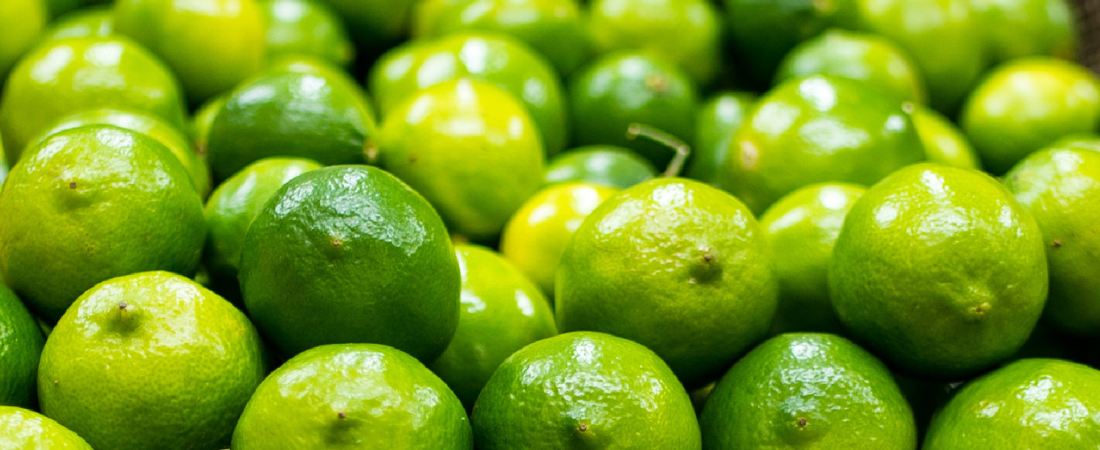
Colombia could double Tahiti lime exports over the next two or three years as recently planted orchards reach higher yields and exporters gain access to China. PortalNews reported that the country exported about 100,000 tonnes in 2025, generating close to $130 million. Andrés Londoño, chairman of the board of the Colombian Fruit Producers Association (CITRI), said shipments could rise to 150,000 or even 200,000 tonnes during that period.
The forecast is supported by an expanding citrus industry with approximately 140,000 hectares under cultivation. Commercial production is concentrated in Norte de Santander, the Coffee Axis corridor, Valle del Cauca, Tolima and Cundinamarca. These areas supply both domestic buyers and foreign markets. Plantings established during the past four years have recently entered their most productive stage, increasing the volume potentially available for export.
Colombia’s ability to produce citrus during all 52 weeks of the year gives suppliers a continuous marketing window. The expansion of exportable supply is especially relevant for growers in Tolima, Cundinamarca and the country’s central-western producing belt. However, additional fruit will need to meet destination-specific requirements for appearance, cold-chain management and post-harvest handling.
United States remains the core destination
The United States is Colombia’s main market for Tahiti limes. According to PortalNews, Colombian fruit accounts for about 20% of US imports, while Mexico holds approximately 80%. Colombia benefits from its proximity to the US East Coast: maritime transit takes only four or five days, helping preserve the appearance and quality of a highly perishable product.
That short route contrasts with the approximately 18 days required for shipments to Europe. Longer voyages demand stricter harvesting, storage and post-harvest protocols and increase the commercial risk associated with quality deterioration. For importers, Colombia’s year-round production and rapid access to the US East Coast can provide a complementary source of supply, although Mexico remains the dominant supplier.
Tahiti limes also generate substantially more export trade for Colombia than oranges. Orange exports were about 9,000 tonnes, worth approximately $10 million, PortalNews reported. Domestic orange prices remain more attractive to producers, limiting the incentive to redirect larger volumes abroad.
China offers scale but raises logistics demands
China has officially opened its market to Colombian Tahiti limes after four years of work between the two countries’ phytosanitary authorities. Celifruit is scheduled to make the first exploratory shipment, while other exporters complete market-entry procedures. The authorization creates a new outlet as Colombia’s harvest capacity expands, but commercial development will depend on whether exporters can maintain fruit quality over a much longer maritime route.
Suppliers will need to improve crop nutrition, harvesting, refrigeration and post-harvest processes for the Chinese market. High logistics costs already limit Colombia’s competitiveness despite its continuous production calendar. CITRI expects Puerto Antioquia to help producers in the central-western region by reducing internal logistics costs by as much as 40%, including savings of around $2,000 per overland trip. If these gains materialize, they could improve export margins and help Colombia place its growing lime supply in the United States, China and other distant markets.