Colombia outlines strategy to expand chicken and egg exports
Colombia’s government plans to strengthen poultry production and open additional international markets for chicken and eggs. The strategy combines cheaper long-term financing, greater domestic corn and soybean output, trade diplomacy and a national sanitary protection network.
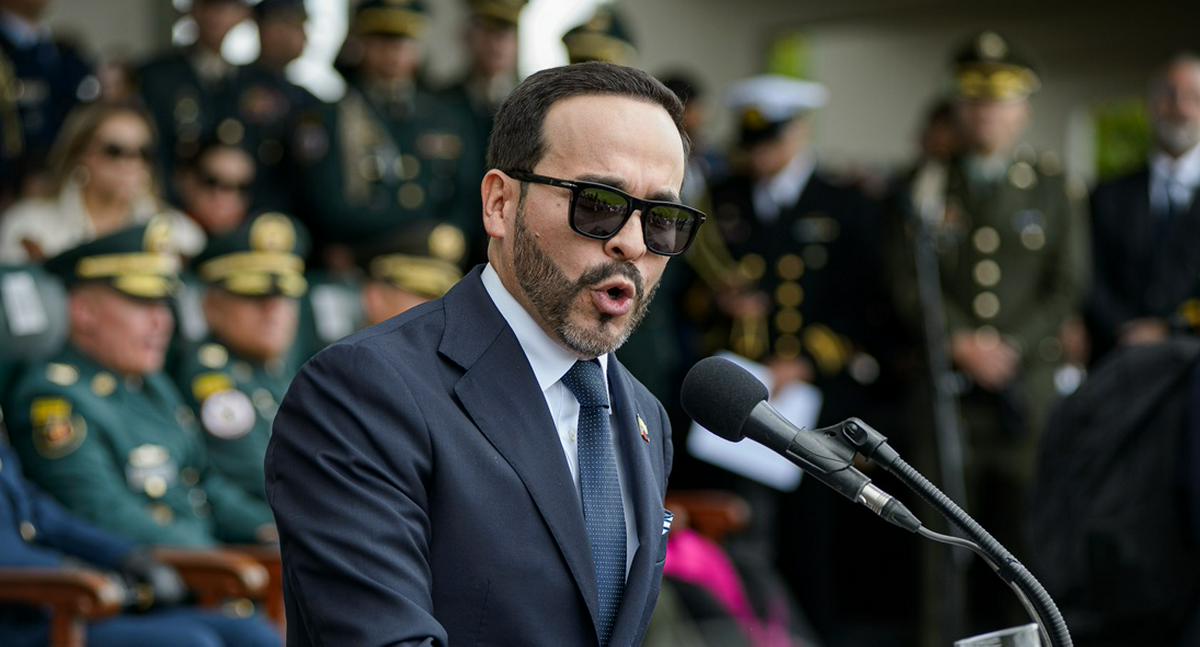
Government sets out poultry export strategy
Colombia’s government has announced a strategy designed to turn the country’s poultry industry into a larger exporter of chicken and eggs. Agriculture Minister Indalecio Dangond Baquero presented the proposal at the XXII National Fenavi Congress in Cali, according to Pulzo.
The plan seeks to improve productivity and competitiveness across the industry while expanding Colombia’s presence in international markets. It brings together financing, domestic feed production, commercial diplomacy and sanitary protection. The source did not specify an implementation timetable, target export volume or list of priority destination countries.
Financing and feed costs take priority
Access to capital is one of the strategy’s main elements. The government proposes better financing conditions for poultry businesses, including long-term loans, grace periods, lower interest rates, a stronger Rural Capitalization Incentive, known as ICR, and reduced guarantee costs. These measures could support investment in farms, production equipment and other capacity required to compete in export markets.
The government also wants Colombia to produce more corn and soybeans, the principal raw materials used in poultry feed. The stated objective is to reduce dependence on imports and lower production costs. Feed availability is commercially important for chicken and egg producers because imported inputs expose their margins to international commodity prices, freight expenses and currency movements. The proposal does not include production targets or details on how additional domestic supplies would be developed.
Market access depends on sanitary coordination
Commercial diplomacy will form another part of the strategy. The government intends to coordinate with producers and companies to secure access to new destinations for Colombian chicken and eggs. Reaching those markets will require both commercial negotiations and compliance with the sanitary requirements imposed by importing countries.
To reinforce disease prevention and emergency response, the proposal includes a National Sanitary Protection Network. Participants would include the Colombian Agricultural Institute, or ICA; the National Institute for Food and Drug Surveillance, Invima; the Fiscal and Customs Police; Fenavi; and territorial authorities. The initiative starts from a sizeable domestic base: Colombia’s poultry sector produced more than 3.1 million tonnes in 2025, represented 26% of livestock-sector GDP and generated more than 350,000 direct formal jobs, according to Pulzo. Turning that scale into sustained exports will depend on whether financing measures are implemented, domestic feed output rises and sanitary access is obtained in commercially viable markets.