Colombia opens direct US market for bovine tallow with Minerva shipment
Minerva Ingredients has completed Colombia’s first direct shipment of bovine tallow from an approved slaughter plant to the United States. The operation gives Colombia’s cattle industry access to a major market for feedstocks used in renewable diesel and other biofuels.
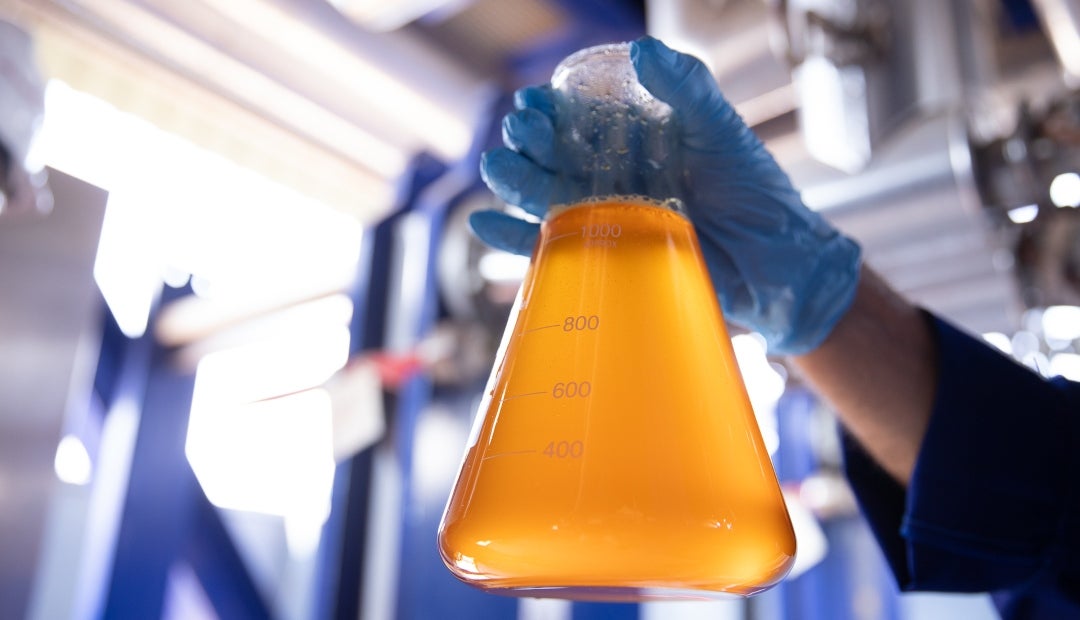
First direct shipment reaches the US market
Colombia has made its first direct shipment of bovine tallow from an approved slaughter plant to the United States, opening a new outlet for a cattle by-product used in renewable diesel and other biofuels. The operation was carried out by Minerva Ingredients, the Minerva Foods business unit that processes and markets animal-origin by-products.
Agronegocios reported that the transaction followed a process involving certifications, plant approvals and authorizations from Colombian and US authorities. The volume and value of the inaugural cargo were not disclosed. The shipment nevertheless establishes a direct commercial route between Colombia’s meat-processing industry and one of the world’s largest biofuel markets.
The product was dispatched from Minerva’s industrial operation in Bucaramanga, in the department of Santander. According to Corrillos, the facility is located on the road between Bucaramanga and Rionegro, at the former Vijagual slaughterhouse site. It is one of Minerva Foods’ two Colombian plants, alongside its facility in Ciénaga de Oro, Córdoba.
Traceability supports access to specialized buyers
Shipping directly from an authorized slaughter plant allows the tallow to be traced from its origin and handled under defined quality and food-safety controls. These characteristics are important for buyers of renewable-fuel feedstocks, which must assess the origin, consistency and regulatory status of raw materials entering their supply chains.
Corrillos said the Bucaramanga plant holds the sanitary authorizations required by Colombia’s Invima and international certifications for exporting processed beef to major overseas markets, including China. The facility also holds BRCGS food-safety certification. Its existing export controls and traceability systems provided an industrial base for completing the additional procedures required for tallow shipments to the United States.
The opening gives Colombian processors another way to generate revenue from cattle slaughter beyond meat and leather. Tallow can be recovered, processed and sold as an industrial feedstock rather than remaining a lower-value residual product. For slaughter plants and cattle suppliers, access to an additional end market may improve the economics of using more of each animal, although neither Minerva nor the publications disclosed prices or expected shipment volumes.
A US outlet for a USD 60 million Colombian market
Agronegocios, citing a company statement, said Colombia’s annual tallow production represents a market worth close to USD 60 million. The same statement estimated that the United States accounts for approximately 45% of global biofuel production. That scale makes the country a significant prospective destination for suppliers of fats and other renewable-fuel inputs.
The transaction arrives as global demand grows for raw materials that can be converted into lower-carbon fuels. Bovine tallow is among the fats that can be processed into renewable diesel and other biofuels, linking the cattle and energy industries. The new access does not guarantee large trade flows, but it removes a regulatory and operational barrier for approved Colombian production.
Minerva Foods is a major South American beef exporter and sells in more than 100 countries. The wider Minerva group operates across Brazil, Paraguay, Argentina, Uruguay, Colombia, Chile and Australia, with 46 industrial units, 18 international offices, 23 distribution centers and more than 35,000 employees. Its businesses include meat, ingredients, casings, leather, biodiesel, energy and carbon-related services.
For Colombia, the commercial test will be whether subsequent cargoes can achieve consistent specifications, competitive logistics and prices attractive to both processors and US buyers. The first certified shipment provides the required route; repeat sales will determine how much of Colombia’s tallow output can be integrated into US renewable-fuel supply chains.